Montana Cowboy Photographs

Montana Cowboys through the Lens: Fine Art Prints of Grit, Sky & Tradition

Big Sky Moments & Cowboy Spirit—For Fans of Yellowstone and Real Ranch Life

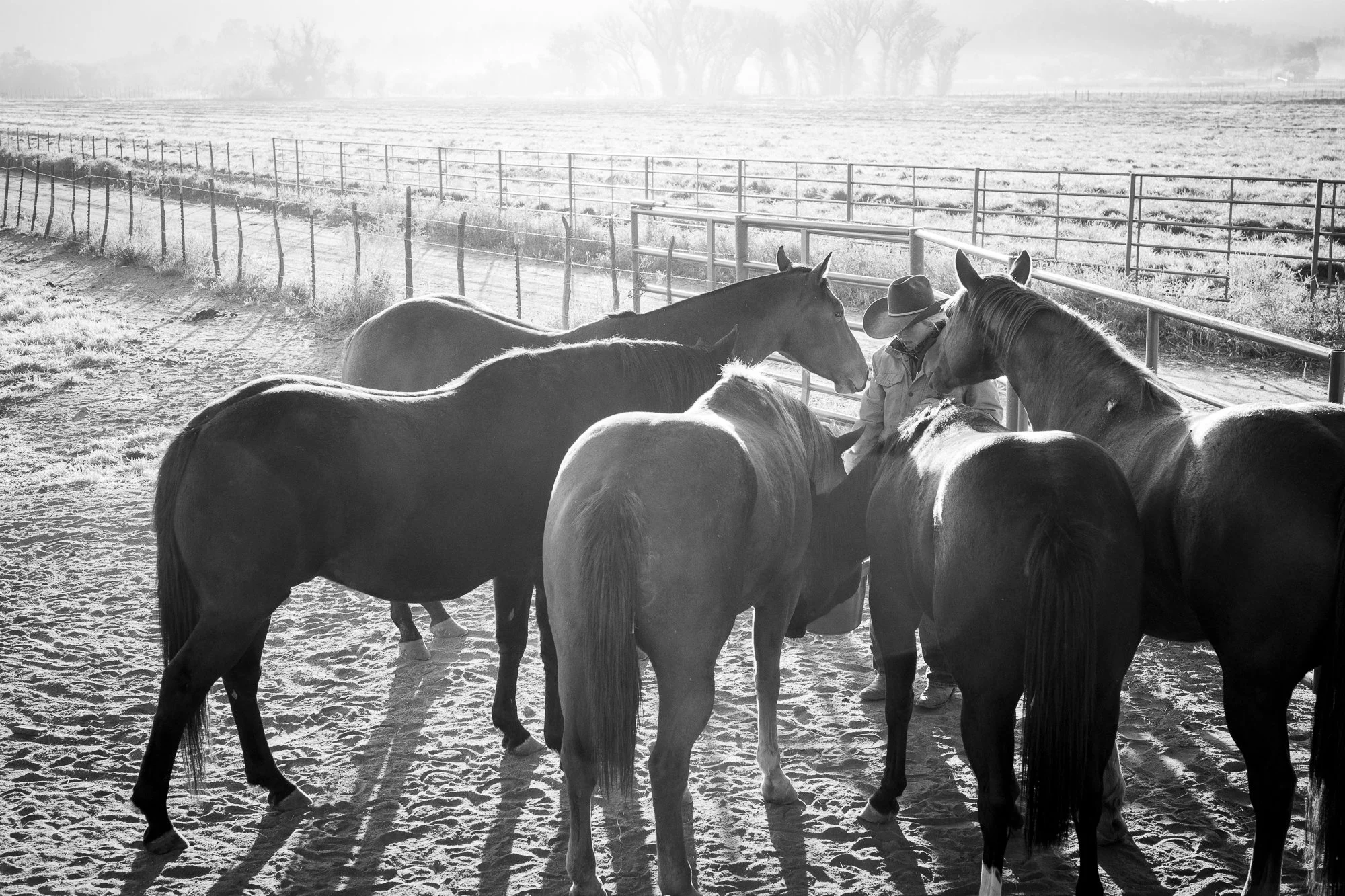
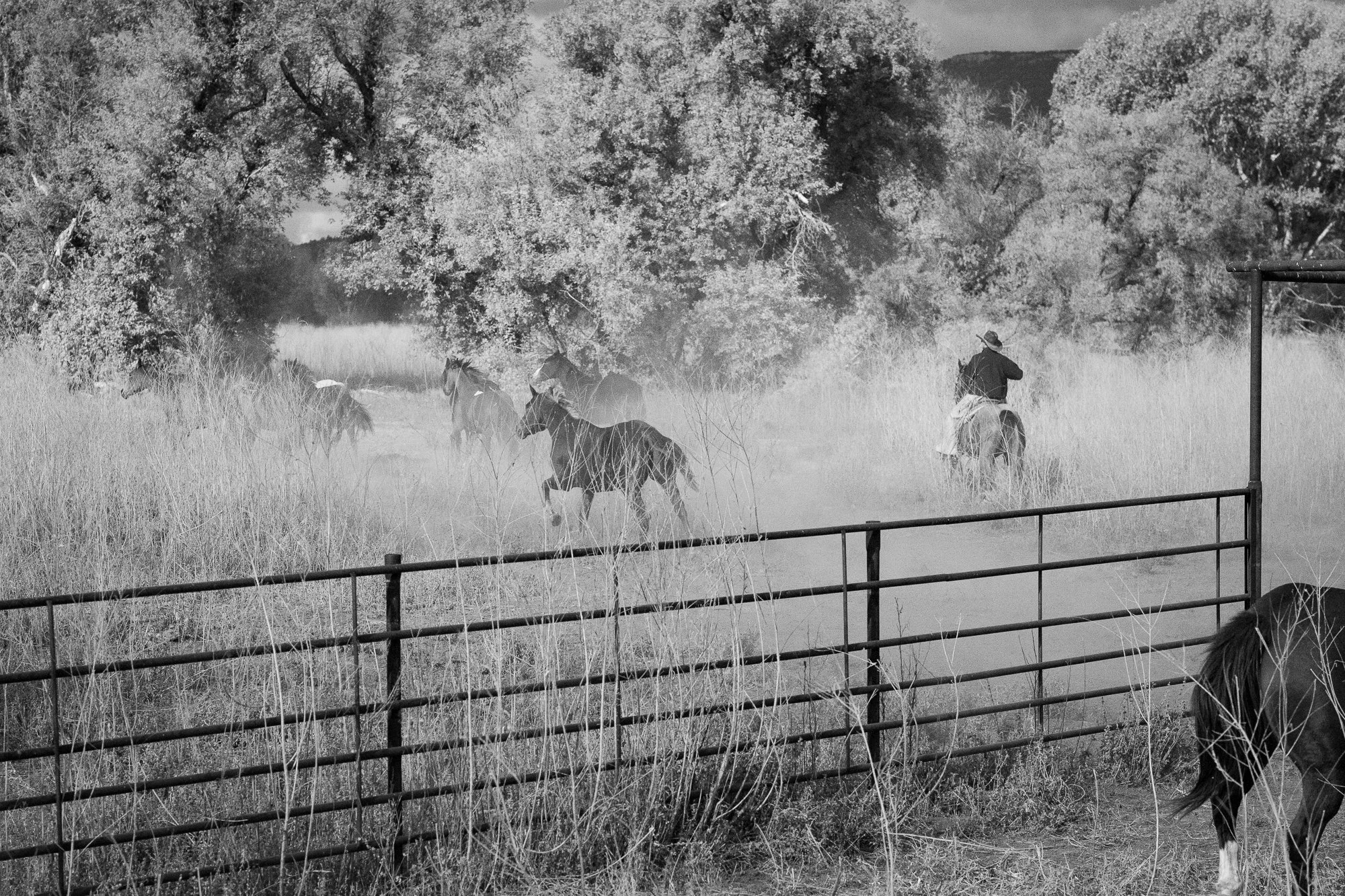
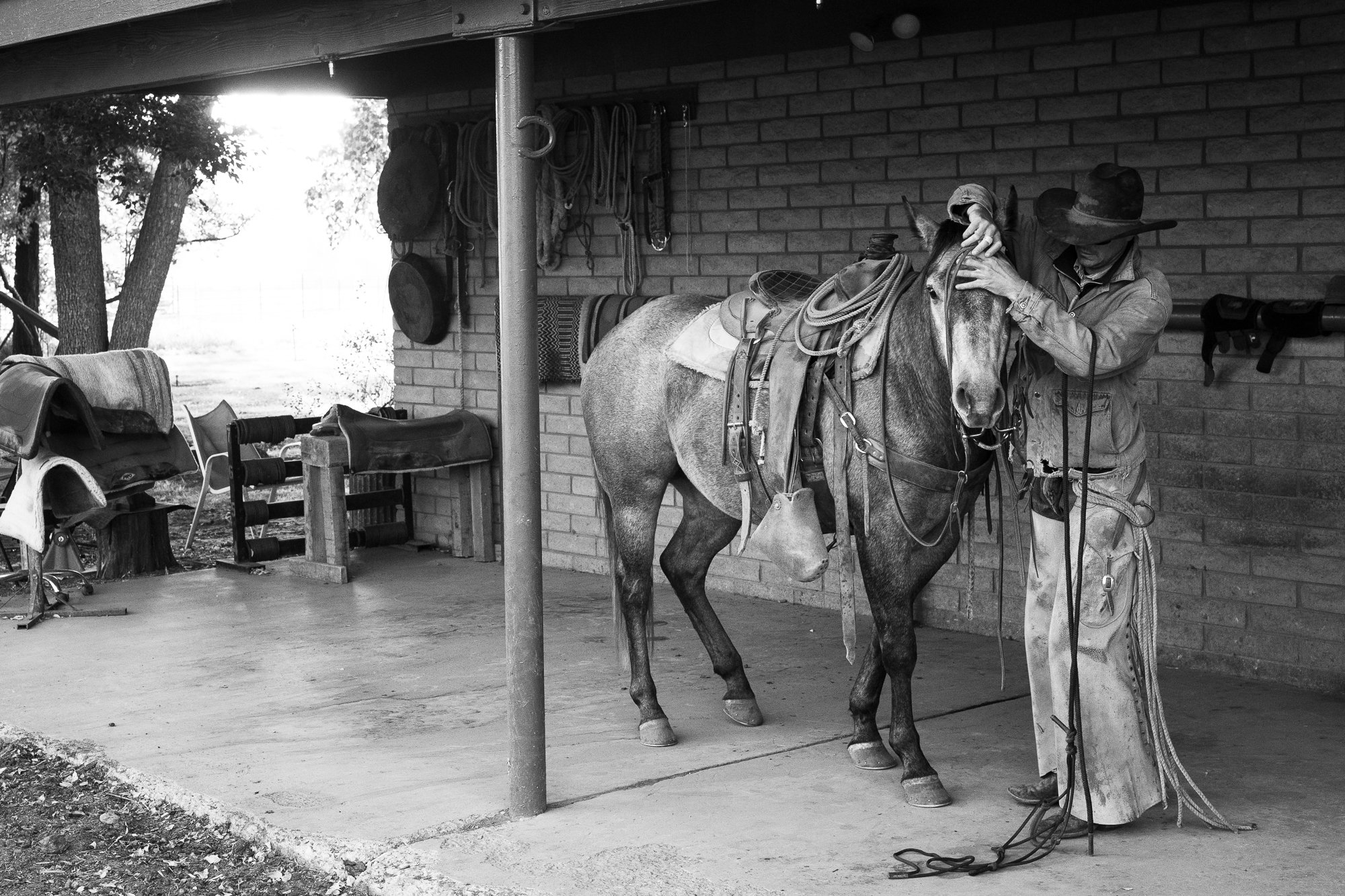
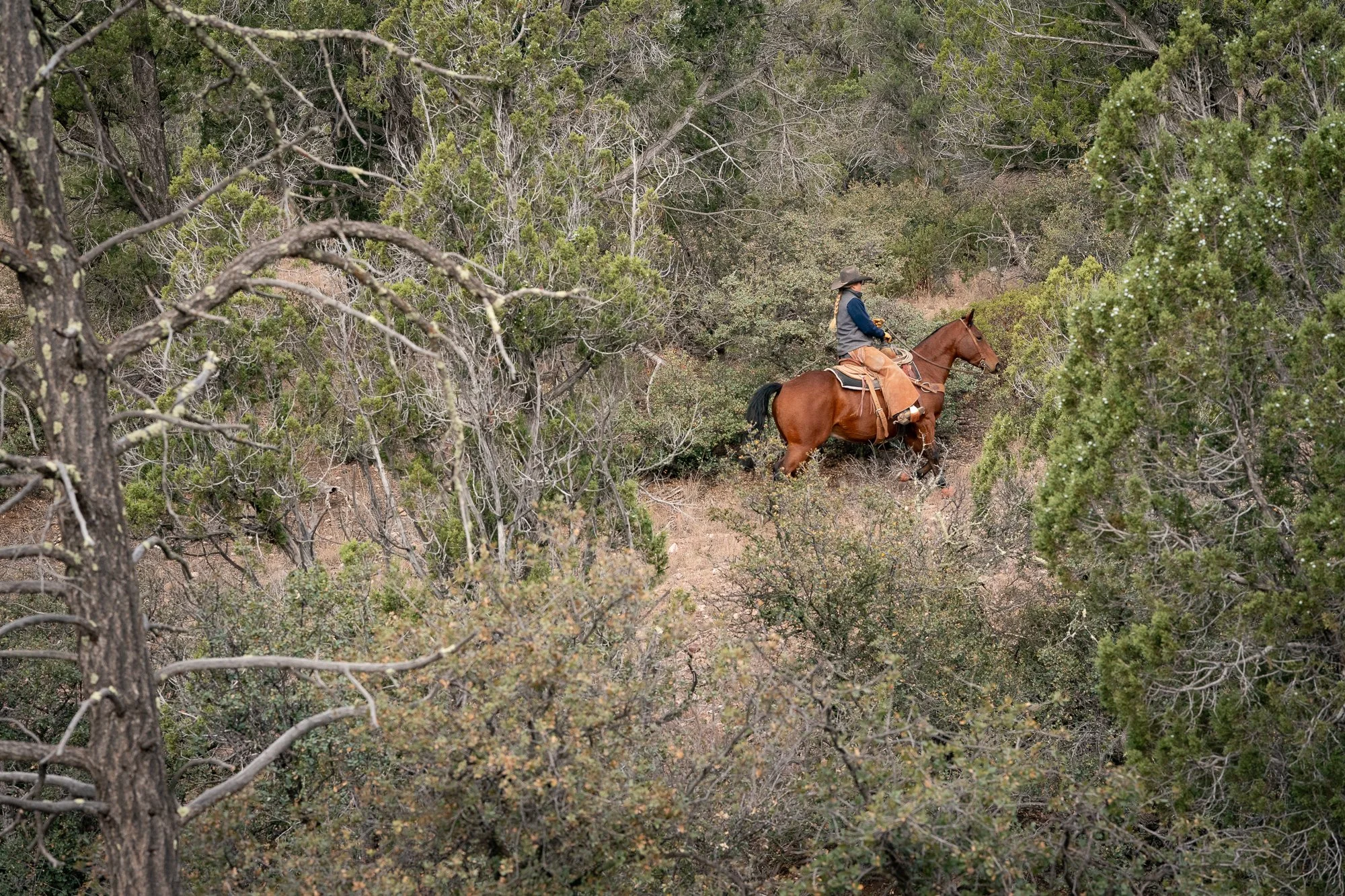
When I pull up to a Montana ranch with a camera, I'm looking for more than a scene—I’m looking for something true. That first breath of morning air, the way the horizon stretches. Montana cowboys move quietly, with wear on their boots and stories in their hands. They don’t need an audience. Their work—reining, branding, riding out—isn’t performance, but it carries power anyway.

I shoot what feels real: cowboys leaning into saddle leather at sunrise, the sky turning cold and blue above mountain ridges, or riders rounding up cattle under heavy clouds. Moments like that—untouched, gritty, alive—feel like they echo what Yellowstone fans see onscreen: raw Western landscape, ranch life, sweeping skies, authenticity. The Chief Joseph Ranch in Darby plays the role of the Dutton Ranch in the show, but what draws me to Montana is seeing the same rhythm of life behind the scenes.

My prints are made from those moments. Limited edition, archival prints that hold light, dust, sky, and sweat. If you’ve ever watched Yellowstone, the beauty in close‑ups of ranch gear, the way a horse’s muscle works in motion, the golden glow on barn wood—these are the same details I chase. Montana isn’t just setting; it’s character.

Whether you want to hang a Montana cowboy print above a fireplace, in a lodge, or a room that tastes of the outdoors, there’s a piece here for you. A silhouette, a dusty trail, a cowboy’s hat brim catching last light—these aren’t just photographs. They’re windows into a life rooted in land, season, purpose.

Add Western Art to Your Space
Shop Cowboy Wall Art

Montana cowboy wall art

Montana cowboy wall art prints

Cowboy wall art for fans of Yellowstone

Western cowboy photography prints

Editorial Cowboy Photographer

Professional Western / Cowboy Photography Services — Magazine & Commercial Assignments

Capturing Western Stories with Depth

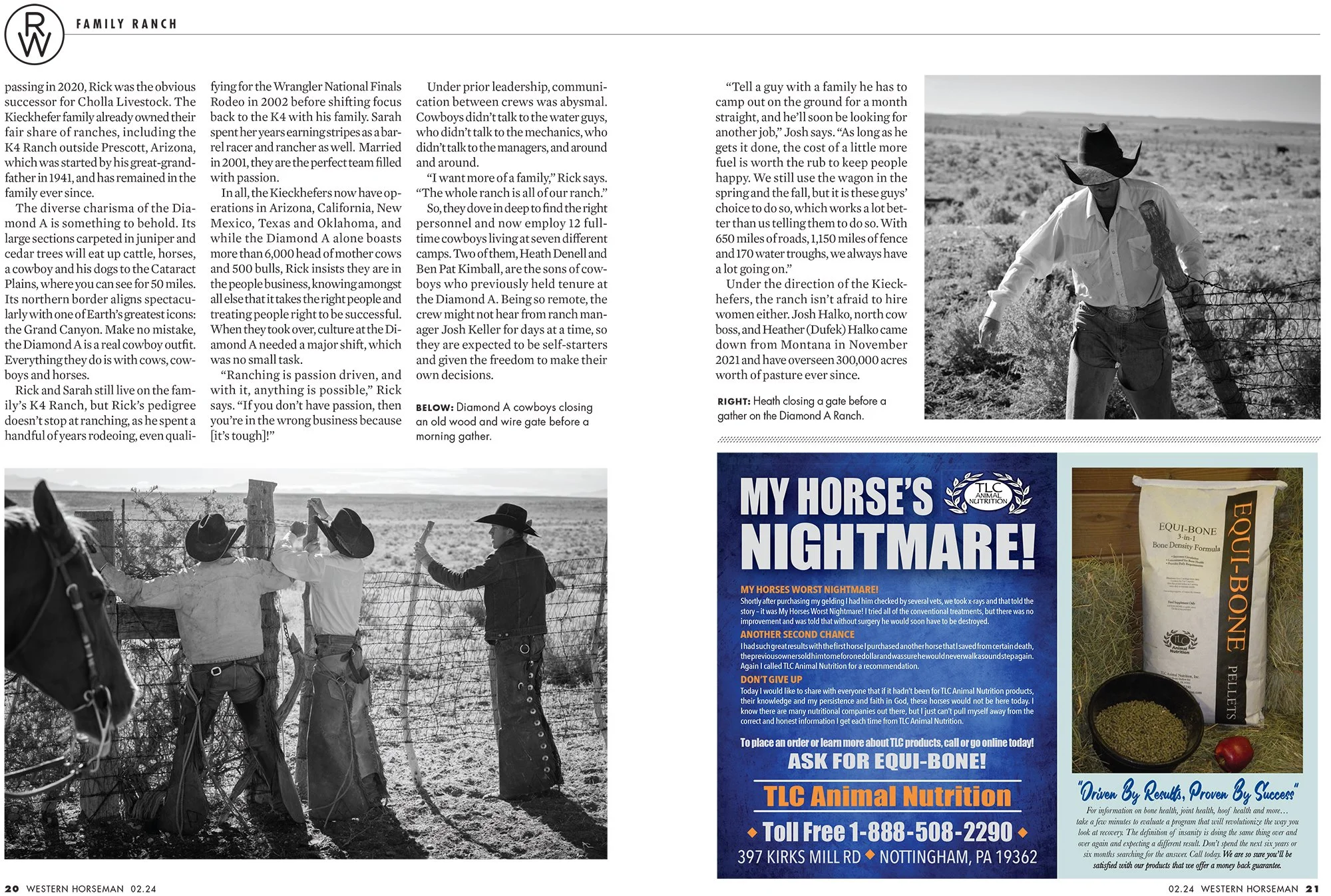
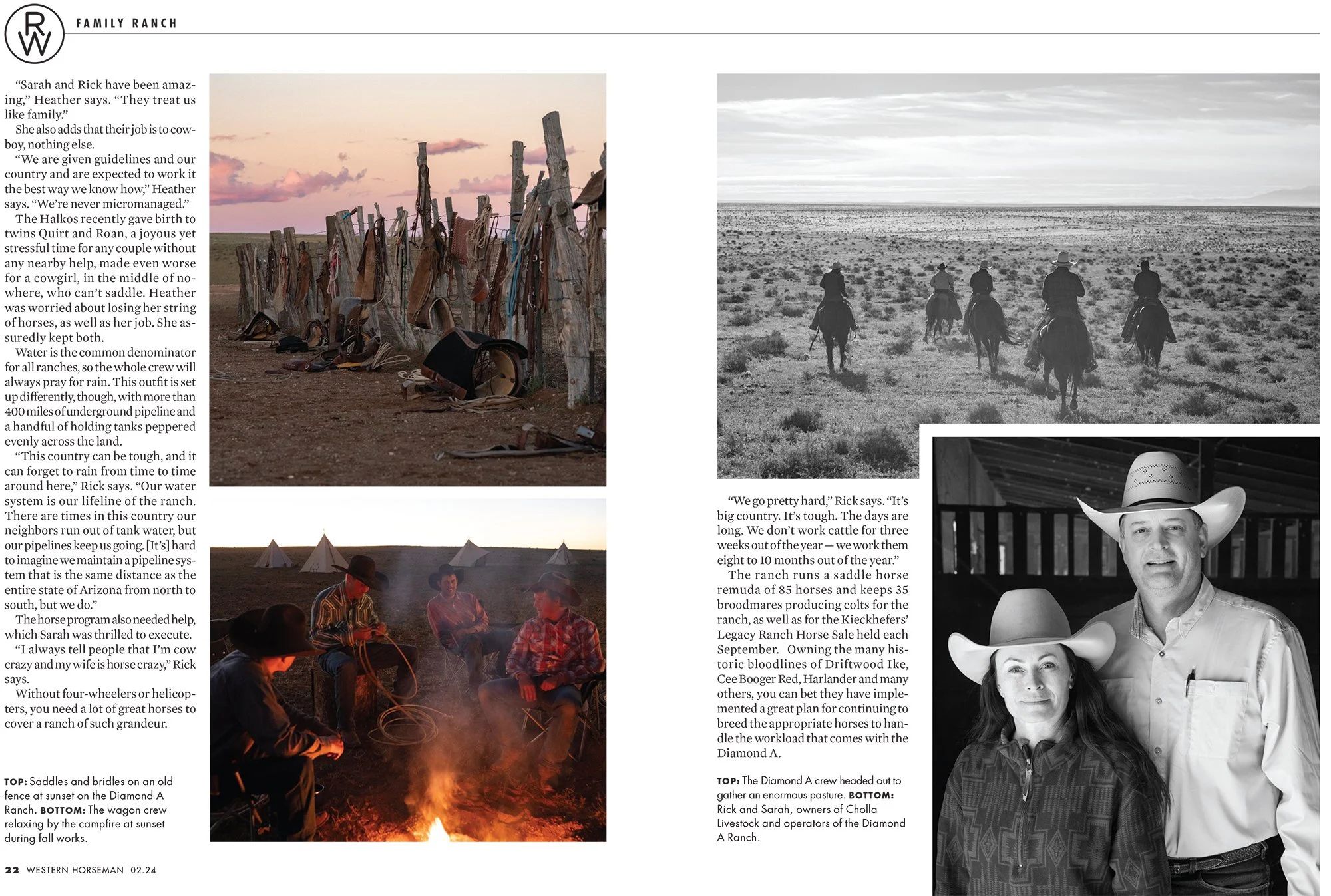
The largest cattle ranch in the Southwest was the backdrop for one of my feature assignments with Western Horseman Magazine. But what that experience taught me goes far beyond one location—it’s proof of what I can bring to any ranch, any story, anywhere.

When a magazine or brand hires me, they don’t just get photos. They get someone who knows how to work in remote country, navigate ranch protocols, gain trust, and produce visuals with authenticity, emotion, and technical quality.

On the Diamond A shoot, I captured wide scenes, close portraits, action frames—each image crafted for storytelling. I’ve licensed those images, seen them published, and held to deadlines and narrative needs. This is the kind of work I’m ready to do for your next piece: whether a feature story, coffee table spread, hospitality branding, or campaign that needs real Western grit.

Let’s talk about your project. I can help with:

  • Editorial assignments (magazine features, online storytelling)

  • Licensing imagery for publications or brand use

  • Commissioned ranch photography for hospitality, books, or design

Scroll through the Diamond A images below and imagine what we could do together for your next Western story and get in touch if you’d like to collaborate - rob@robhammerphotography.com

You can also view a selection of fine art cowboy photography prints or more from cowboy series

Original article from the magazine:

A crew of 5 leaves the corrals at a trot, heading out to gather a pasture that only ends at the morning sun hovering above the horizon. It feels like watching a fleet of sailboats gracefully catch wind from harbor into the open ocean, getting smaller and smaller until they melt into the sea. There’s no telling when or if they’ll ever return. Such is life for cowboys on the Diamond A Ranch outside of Seligman, Arizona. At 725,000 acres it’s the largest in the southwest and aptly nicknamed The Big Boquillas. 

“Don’t hire him if his wife isn’t there for the interview” says Sarah Kieckhefer to her husband Rick - owners of the Diamond A. She knows it takes a special breed to work this kind of spread and deal with such solitude. If the wife shows up sight unseen on day 1 and realizes her camp is 3.5 hours from the nearest town with a grocery store, it doesn’t matter how handy the cowboy is, they won’t be staying long. The land itself is owned by the Navajos and was leased for 32 years by the legendary Harvey Dietrich, who hand picked Rick in 2018 as his successor. The Kiechkefers already owned their fair share of ranches, including the K4 outside Prescott, which has been in the family since his great grandfather started it in1941. So Rick didn’t jump at Harvey’s offer until he said “you know, they aren’t making any more land”. A hard fact to argue for anyone looking to grow, and it’s not everyday that a ranch of this size falls in your lap. So he accepted the full lease in 2021, increasing his acreage overnight by roughly the size of Rhode Island. 

The diverse charisma of the Diamond A is something to behold. From its large sections carpeted in Juniper and Cedar trees that will eat up cattle, horses, a cowboy, and his dogs, to the Cataract Plains, where you can see for 50 miles. Oh, and its northern border collides eloquently with one of planet earth’s greatest icons - The Grand Canyon! But make no mistake about it, The Diamond A is a real cowboy outfit. Everything they do is with cows and horses. There is no oil money like most in Texas. Rick and Sarah still live on the family ranch, so it’s no surprise that they continue the dying tradition of pulling a wagon for the Diamond A’s spring and fall works. Rick’s pedigree doesn’t stop at ranching, as he spent a handful of years rodeoing in the NFR (2001-2006), before shifting focus back to the K4 with mom+dad. Then spreading his wings further with the purchase of a few other leases and a feed yard near the Mexican border. Sarah spent all of her years earning stripes as a barrel racer and rancher as well. The perfect team. And while the Diamond A alone boasts 8,000 head of mother cows, he insists they are in the people business. Knowing amongst all else that it takes the right people, and treating people right. When they took over, culture at The Big Bo needed a major shift,  which was no small task, but as Rick says “Ranching is passion driven. If you don’t have passion then you’re in the wrong business, because it’s a tough son of a buck”. Under prior leadership, communication between crews was abysmal. Cowboys didn’t talk to the water guys, that didn’t talk to the mechanics, and around in a circle. Rick says “I want more of a family. The whole ranch is all of our ranch”. So they dove in deep to find the right personnel and currently employ 12 full time cowboys living at 7 different camps. Two of which (Heath Denell and Ben Pat Kimball) are the sons of cowboys that previously held tenure at the Diamond A.  Being so remote, the crew might not hear from the boss for days at a time, so they are expected to be self starters, but also given the freedom to make their own decisions. Tell a guy with a family he has to camp out on the ground for a month straight, and he’ll soon be looking for another job. As long as he gets it done, the cost of a little more fuel is worth the rub to keep people happy.  The Kiechefers aren’t afraid to hire women either if they come as a team. Josh Halko (cow boss) and Heather (Dufek) Halko came down from Montana in November of 2021 and have overseen 300,0000 acres worth of pasture ever since. “Sarah and Rick have been amazing. They treat us like family” says Heather. She also adds that their job is to cowboy, nothing else. “We are given guidelines and our country, and expected to work it the best way we know how. We’re never micromanaged.” The Halko’s recently gave birth to twins (Quirt and Roan). A joyous yet stressful time for any couple without any nearby help. Even worse for a cowgirl in the middle or nowhere that can’t saddle. So Heather was worried about losing her string of horses as well as her job. She assuredly kept both.

Water is the common denominator for all ranches, so the whole crew will always pray for rain. This outfit is set up a bit differently though, with 400 miles of underground pipeline and a handful of holding tanks peppered evenly across the land. Nevertheless,  genetics were changed by bringing down heifers from Montana and the Dakotas that would be more tolerant of Arizona’s weather conditions. The horse program also needed help, which Sarah was thrilled to execute. “I always tell people that I’m cow crazy and my wife is horse crazy,” says Rick. Without four wheelers or helicopters, you need a lot of great horses to cover a ranch of such grandeur. Rick again adds “We go pretty hard. It’s big country. It’s tough. The days are long. We don’t work cattle for 3 weeks out of the year. We work em’ 8 months out of the year.” Owning the historic bloodlines of Driftwood Ike, you can bet they have implemented a great plan for continuing to breed the appropriate horses. And have already attracted some big names to their own Legacy Ranch Horse Sale. 

Sarah will be the first to tell you that her husband’s greatest asset is progressive thinking. He always gives a considerable amount of his already overflowing days and nights to what will be best for the ranch 1, 5, 10, and 20 years from now. He knows that you need to diversify in order to survive, so he took cues from Dietrich about meat packers suppressing the industry and making record profits, while the producers remained handcuffed. Unfortunately Harvey passed on Christmas Eve of 2020, but the building blocks were already in place to “write their own story”, dedicating 20% of production to boxed beef. And after a few years of figuring out all the moving parts, their gourmet products can now be found in such restaurants as the 5 star - Orange Sky and Phoenician in Phoenix as well as the Royal Palms and Sanctuary in Scottsdale. They’ve even attracted famous chefs like Chris Bianco that want to collaborate because they believe in the story and the product. If that sounds glamorous, think again. Only the middle meats of each cow can be sold to a restaurant, so ranchers need an outlet for the remaining 75%, or they’ll soon be out of business. And, if you can’t  deliver a year round supply, your partners will find someone who can. The Kiechefers want to grow their boxed beef sales to about 30-40%, but the main goal is to be better every day in every aspect of their business through efficiency. And the best way to achieve that in their mind, is having people that want to be there. People that feel ownership and pride in the ranch. Ricks says “the most important thing is that it’s those guys this year, those guys next year, and it’s those guys the year after making the decisions”.
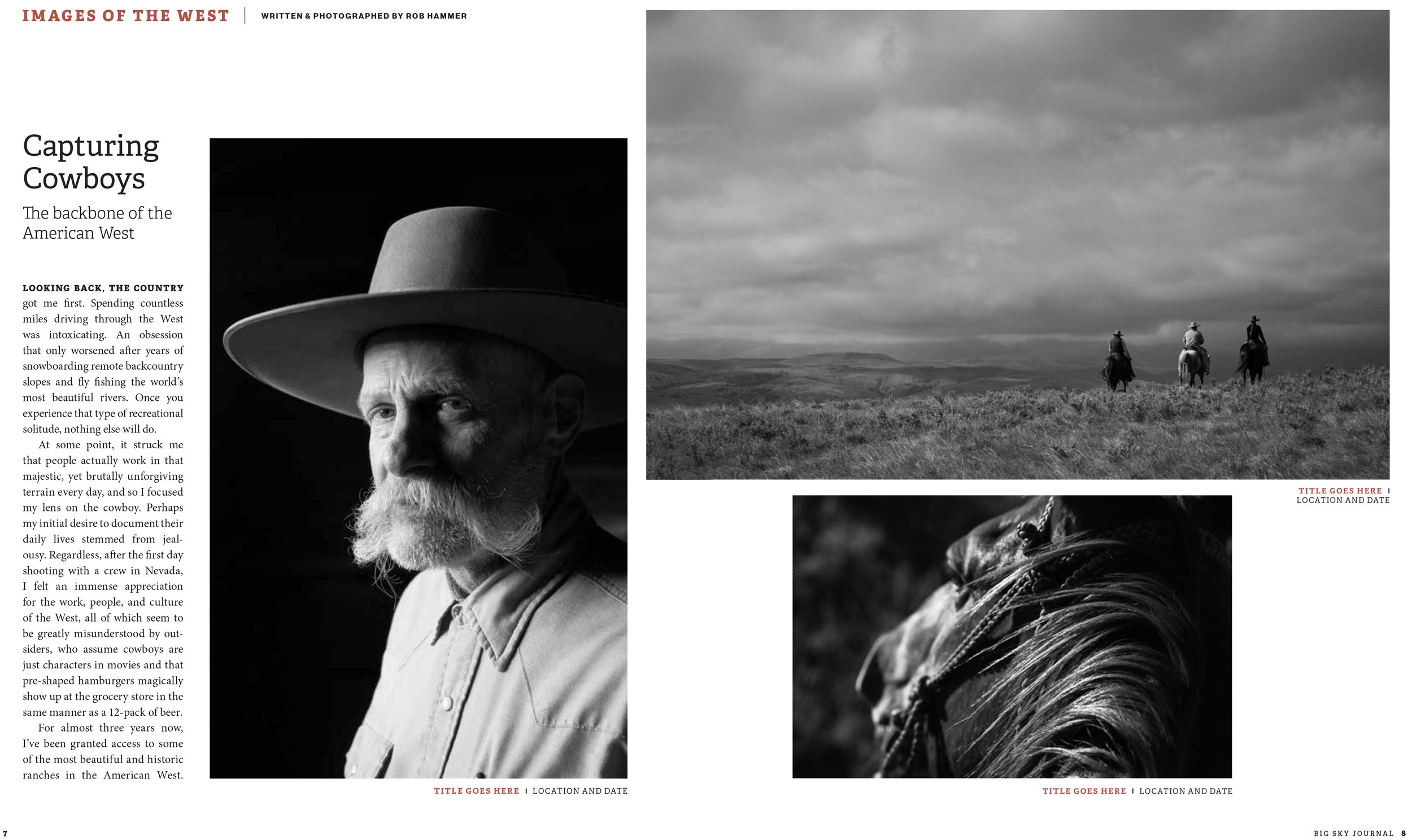
Cowboys on the Diamond A Ranch in Arizona
Western cowboy photographer for brands and magazines

Western photography for magazines and brands

Photographer serving the American cattle industry

Editorial photography services for the cattle industry

Commercial cowboy photographer based in Denver, CO

Cowboy photographer for editorial and commercial assingments

East Coast Photography

Small Town America - Photography

Road Trip - American Culture

Cross country road trips have been a constant in my life for the past 12+ years, particularly in late December driving from San Diego, CA to upstate NY to visit family for Christmas. This year though, it was significantly shorter as we are currently living in North Carolina. If you want advice on the most soul sucking drive in the USA, it’s I95 from Raleigh to Albany. Avoid it at all costs. I did it once in a straight shot due to a severe lack of time and will never do it again. As a photographer you’re much better off committing to the many backroads that will get you to the same place while also delivering a much better experience. Here are a few images from PA and NY. Pennsylvania has always been a fascinating state. There is a sadness to a lot of the towns, particularly in the rust belt, but they are all undeniably American. Plenty of towns in America could be anywhere in America, but the majority of Pennsylvania makes you acutely aware that you are in a place.

Click here to see more of my American Photography

Union Cemetery - Hudson Falls, NY

Pittston, Pennsylvania

Wilkes-Barre, Pennsylvania

Edwardsville, Pennsylvania

Pittston, Pennsylvania

Pittston, Pennsylvania

Hudson Falls, New York

Lake George Nature Photography

Lake George Landscape Wall Art

Adirondacks in the Fall - Prints

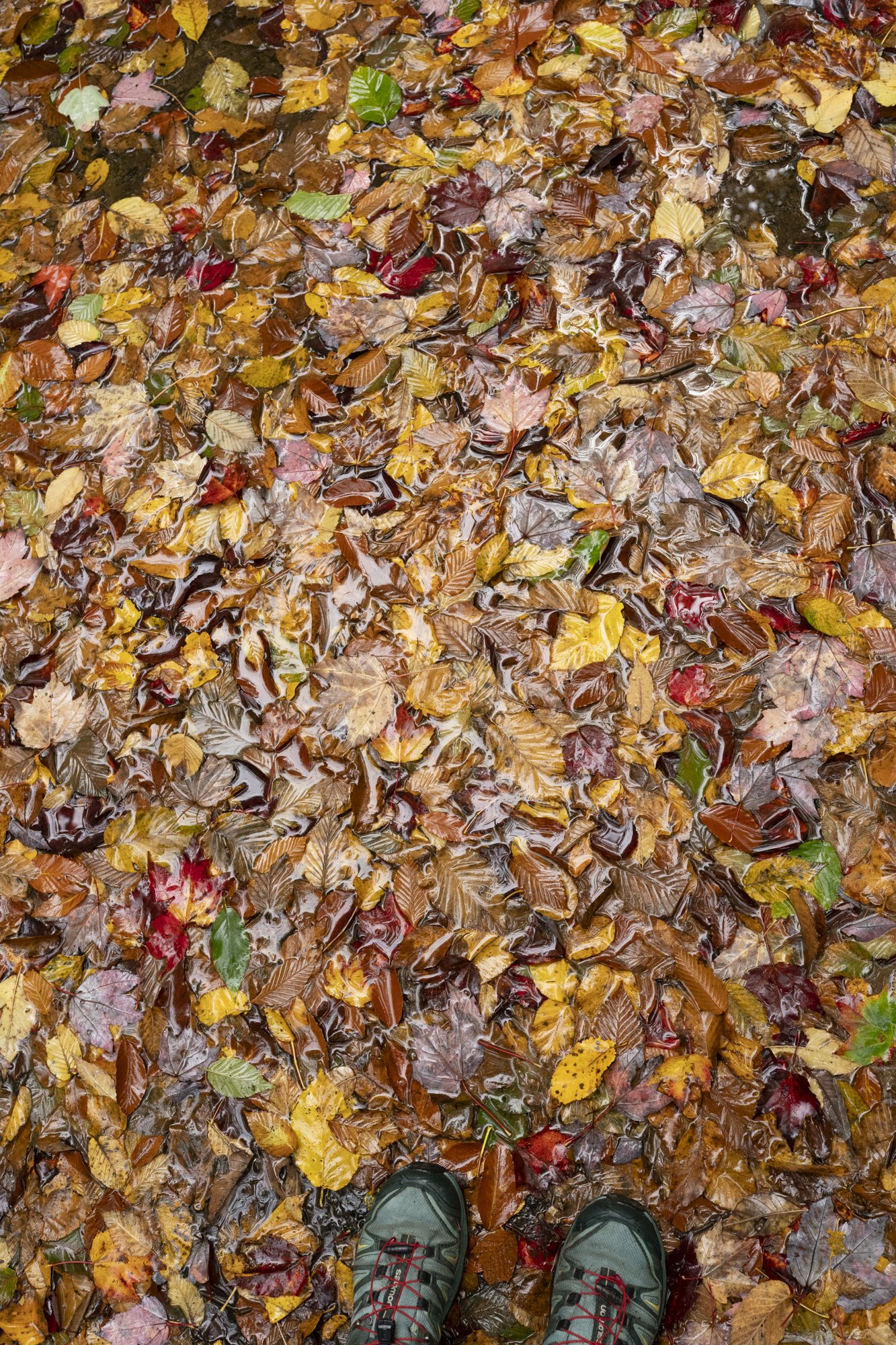
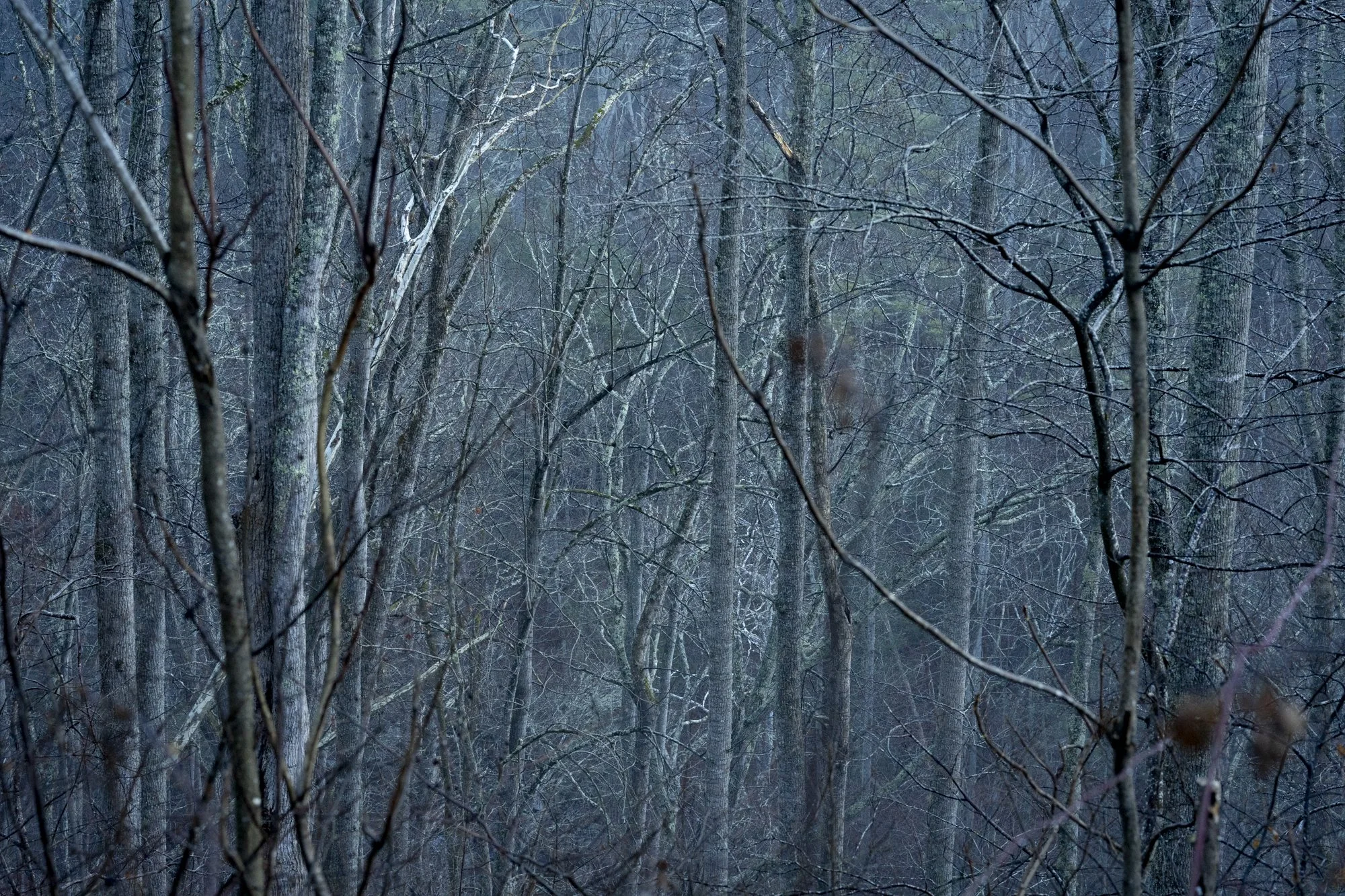
Feeling very grateful after spending the entire month of October in the Adirondacks, more specifically in Lake George, NY. And what a time it was to be there with the fall foliage in all it’s glory. After living in a place essentially without seasons (San Diego), it was refreshing to be around all that color. I did some shooting for a regional magazine which required a lot of hiking around the lake up Pilot Knob Trail, Black Mountain Trail, and Cat Mountain Trail. The main focus was to shoot hiking, but of course the surroundings were so inspiring that I had to make some landscape photographs along the way. Can you call these landscapes?? I suppose they are more abstract nature photographs.

Contact me directly about Lake George wall art. All of my images are available as prints in varying sizes for your home, office, or commercial space.

Black and white photograph of a forest in Lake George, NY

Fine art nature photograph in Lake George, NY - Adirondacks

Lake George, New York landscape photography

Lake George Nature Photography - Adirondacks

Photography print of the fall foliage in Lake George, NY

Lake George Nature Photography Prints

Photograph of a hike in Lake George, NY during the fall foliage

Fall foliage in Lake George, NY - Nature Photography

Landscape photography of a forest in Lake, George, NY during fall foliage

Nature Photography - Lake George, NY - Adirondack Prints

Black and white nature photograph of the forest in Lake George, NY

Black and white nature photography - Lake George, NY

Arizona Cattle Ranch

Cowboy Ranch Life in Arizona — A Working Ranch Photo Essay

Photographing a Working Cattle Ranch in Rural Arizona

Arizona ranching doesn’t look the way most people imagine it. There are no dramatic mountain backdrops or postcard moments waiting around every corner. Most days are quiet. Dry. Spread out. The work blends into the land in a way that feels almost invisible unless you slow down enough to notice it.

These photographs were made on a working cattle ranch in rural Arizona. No staging. No recreations. Just day-to-day ranch life as it happens — early mornings, long distances, and a rhythm that hasn’t changed much because it doesn’t need to.

Ranch work in Arizona is shaped by the environment more than anything else. The land dictates the pace. Heat, dust, and long distances through dense brush are part of every decision, and nothing happens quickly unless it has to. You feel that right away when you’re there.

What struck me most wasn’t any single moment, but how steady everything felt. Horses saddled without ceremony. Gates opened and closed out of habit. Work done without commentary. It’s not dramatic, but it’s real — and that’s what makes it worth photographing.

Ranching in Arizona Isn’t Romantic — It’s Practical

A lot of imagery of the American West leans hard into nostalgia. This place doesn’t ask for that. Ranching here is practical and stripped down. The landscape doesn’t allow for much excess.

The cattle are moved when they need to be moved. The horses are tools as much as companions. There’s very little separation between work and daily life, and no sense that anyone is trying to preserve an image for the sake of outsiders. It simply exists.

That honesty is what drew me to photograph here.

The K4 Ranch

The photographs in this series were made at K4 Ranch, a working cattle operation where ranching still follows the land rather than trends. Like many ranches across Arizona, it operates quietly, without much outside attention, doing the same work it has for generations.

Places like this don’t always make headlines, but they form the backbone of ranching culture in the Southwest. They’re also disappearing faster than most people realize.

Why Photograph Places Like This

I’ve spent years photographing working cowboys and ranches across the American West, and the more time I spend in places like this, the more important it feels to slow down and document them honestly.

Not to turn them into symbols — but to show what’s actually there.

These photographs aren’t meant to romanticize ranch life or explain it. They’re simply a record of people working, land being used, and traditions continuing without much concern for being noticed.

Arizona Cowboy Photography Prints

Photographs from this Arizona ranching series are available as museum-quality fine art prints. Each print is produced in small editions and made to live with — not just be scrolled past.

View available cowboy photography prints

This story is also part of a larger, ongoing project documenting real working cowboys and ranch life across the American West.

View the complete cowboy photography gallery

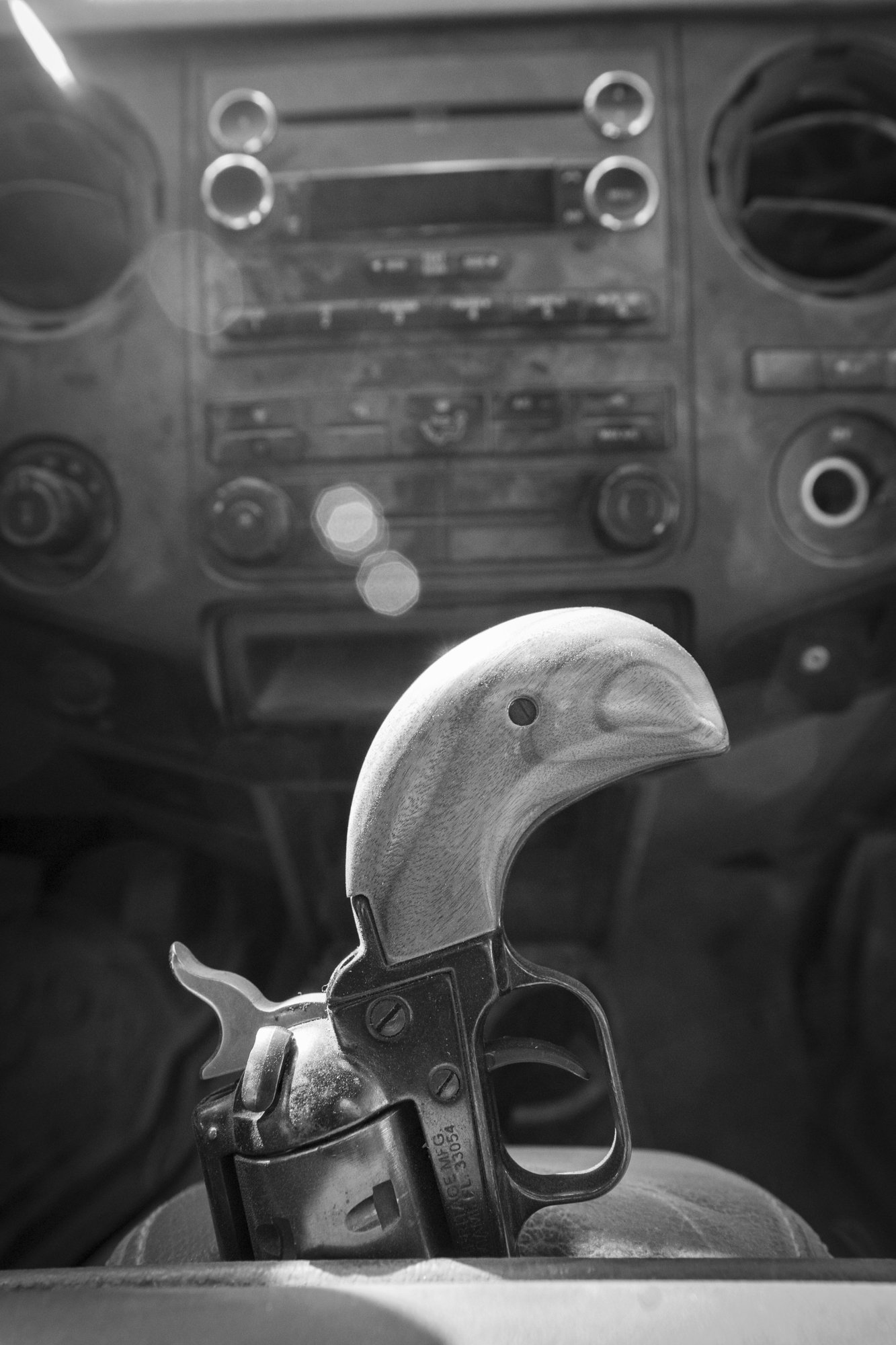
Photograph of a revolver gun in the console of a cowboy's pickup truck

A cowboy’s revolver

Black and white photograph of husband and wife cowboys

Brady and Marianne Clark - Cowboys

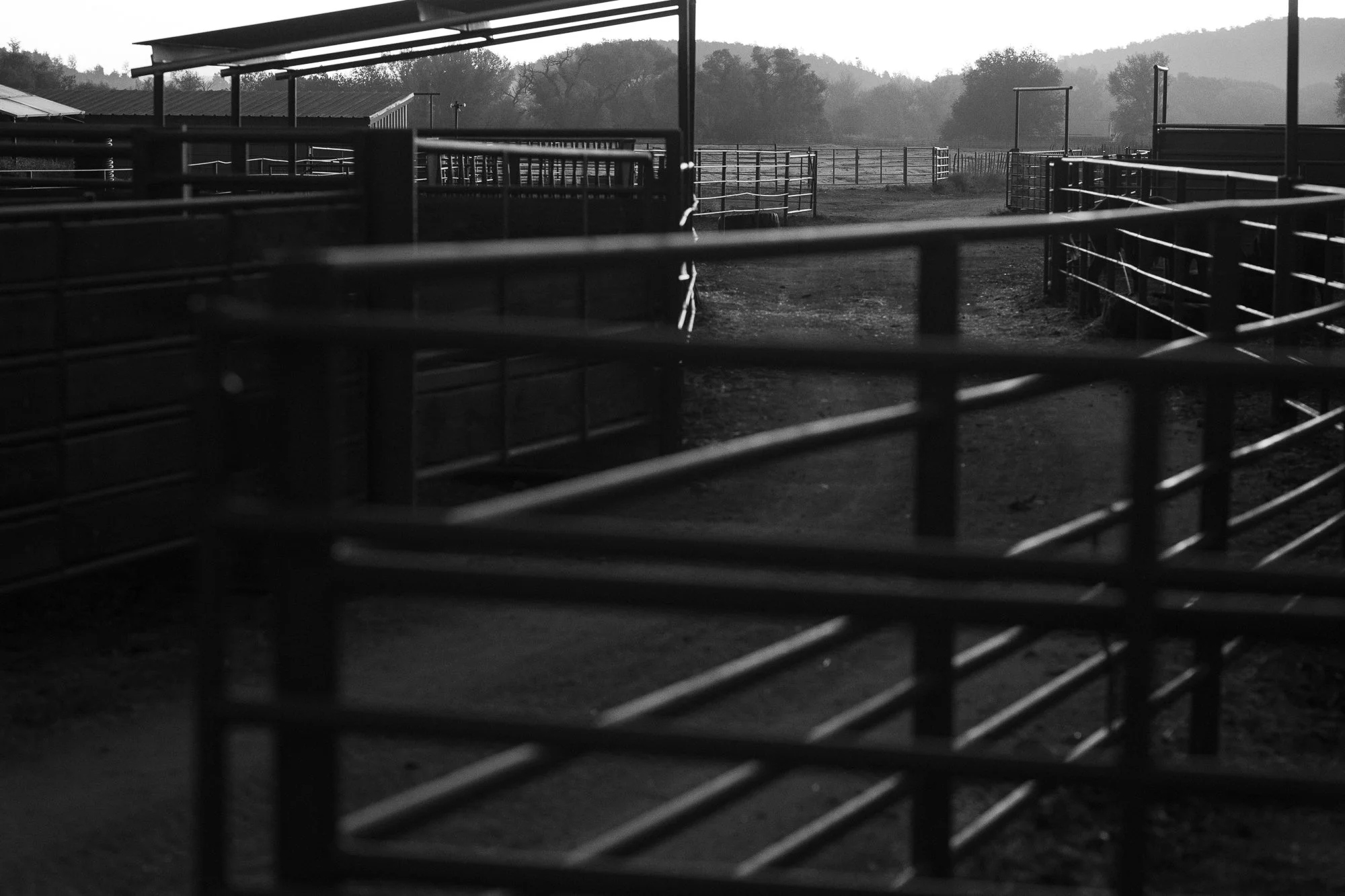
Early morning light illuminates corrals on a working ranch in Arizona

Horse corrals on the K4 Ranch in Prescott Arizona

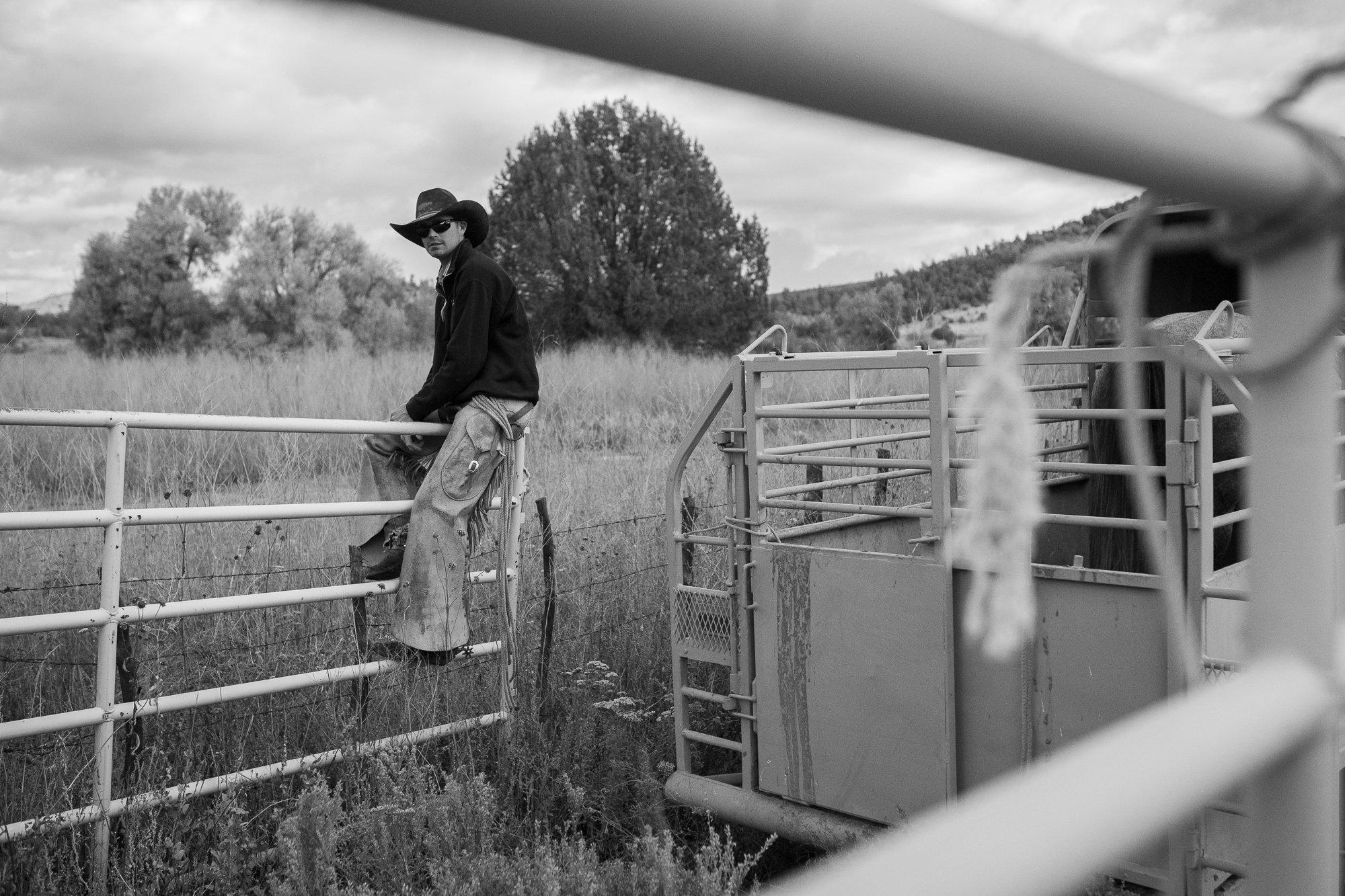
Black and white photograph of a cowboy on an Arizona cattle ranch

Brady Clark - Cowboy

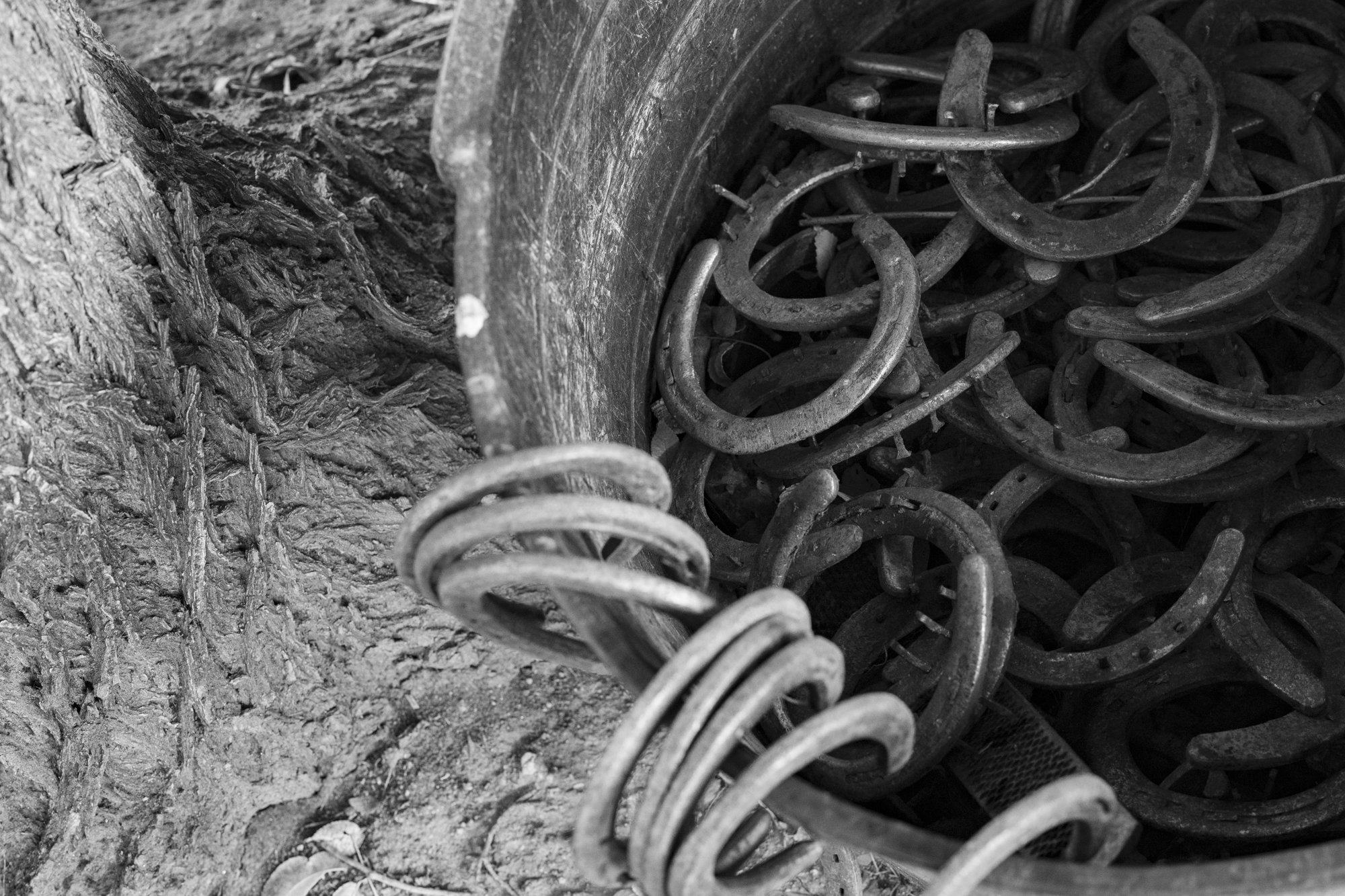
Photograph of a bucket of horseshoes on a cattle ranch in Arizona

Photograph of used horseshoes sitting in a bucket on a cattle ranch in Arizona

Photograph of a cowboy riding through thick brush on an Arizona cattle ranch

Cowboy riding through thick brush

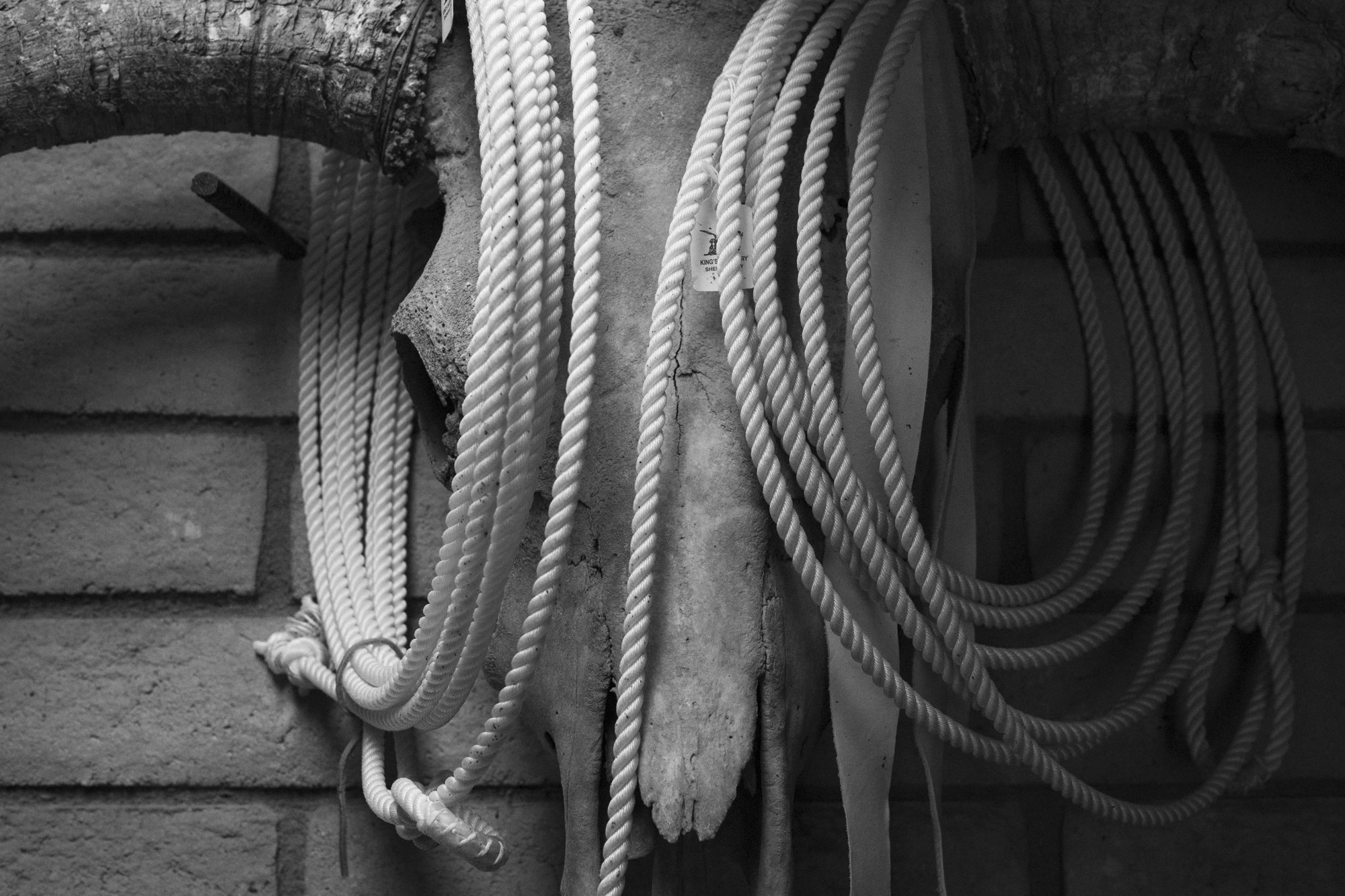
Cowboy lariats hanging on a cattle skull on a working ranch in Arizona

Ropes from King’s Saddlery hang on a cow skull on the K4 Ranch in Prescott, Arizona

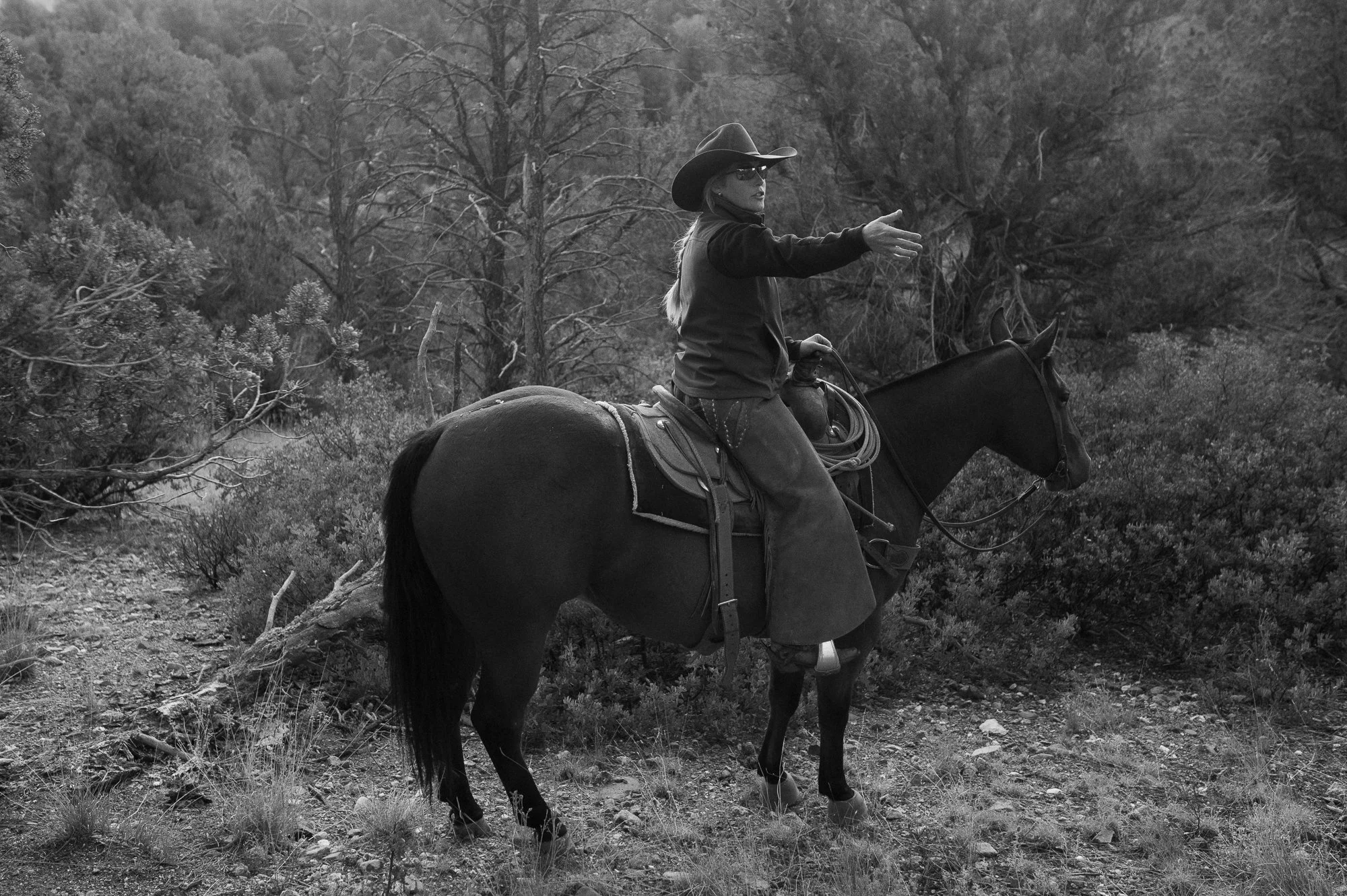
Photograph of a working Arizona cowgirl on her horse in a thick forest

Working Arizona cowgirl - Marianne Clark

Photograph of a cowboys roping dummy

Photograph of a roping dummy on a cattle ranch in the American West

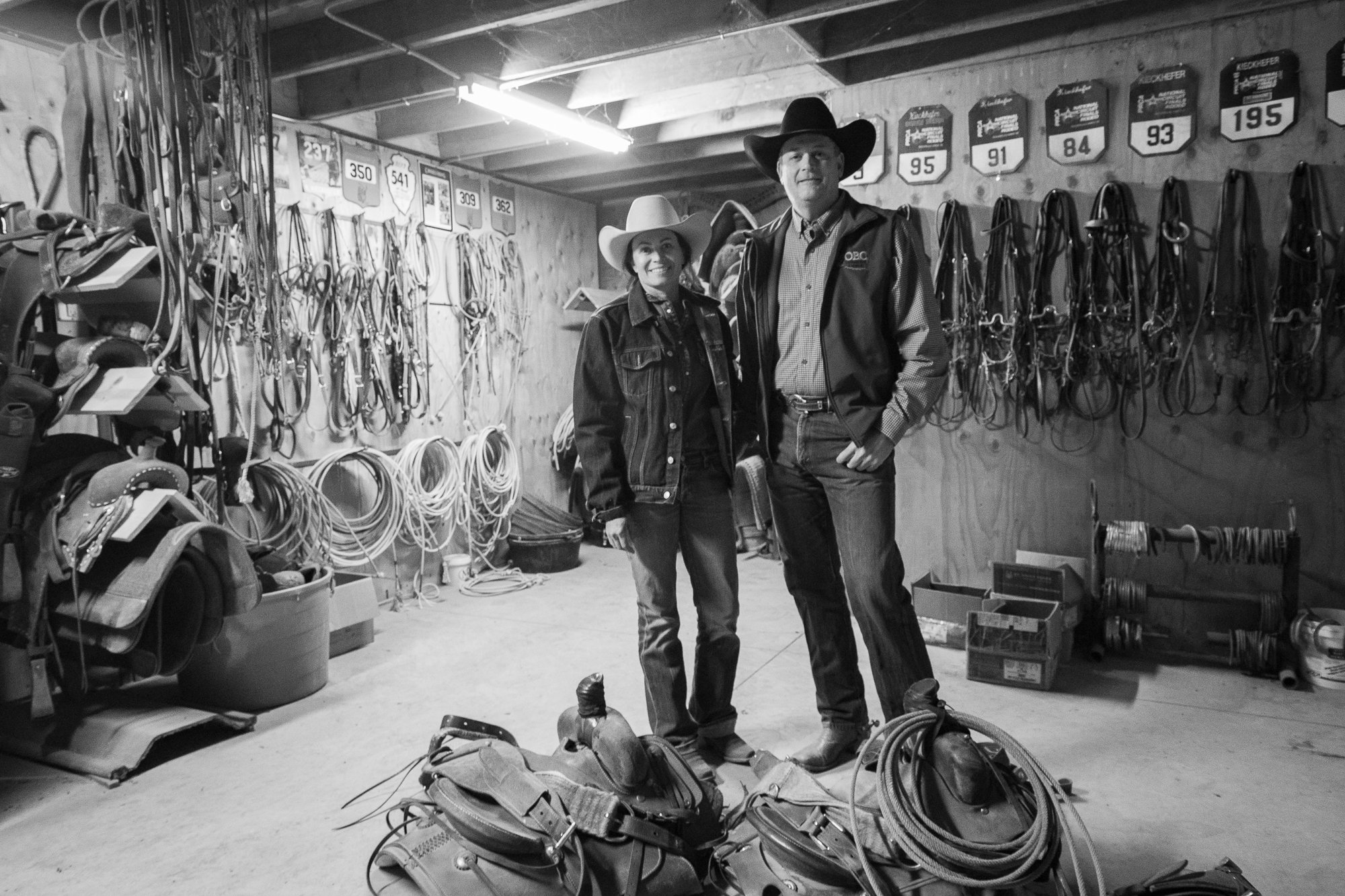
Rick and Sarah Kieckhefer - owners of the largest cattle ranch in the Southwest United States

Rick and Sarah Kieckhefer - Arizona cattle ranchers

Photographs of a cowboys horse shoeing station on a Arizona cattle ranch

A cowboy’s shoeing station for his horse on a cattle ranch in Arizona

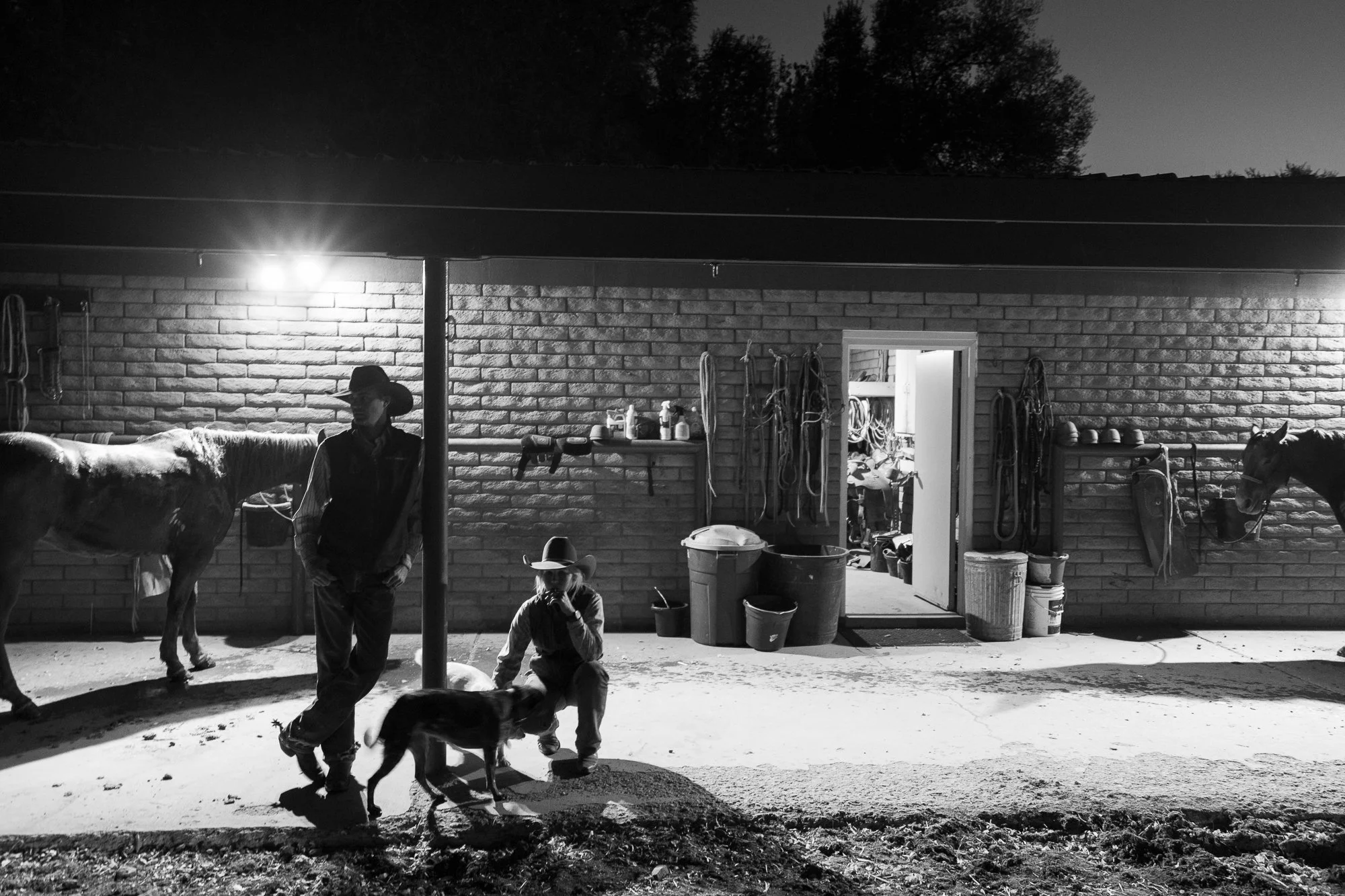
Black and white photograph of male and female cowboys mounting horses in Arizona

Arizona cowboys getting on their horses before a day of work

Black and white photograph of a cowgirl feeding horses on a beautiful cattle ranch

Cowgirl feeding horses

A cowboy riding his horse an an Arizona cattle ranch

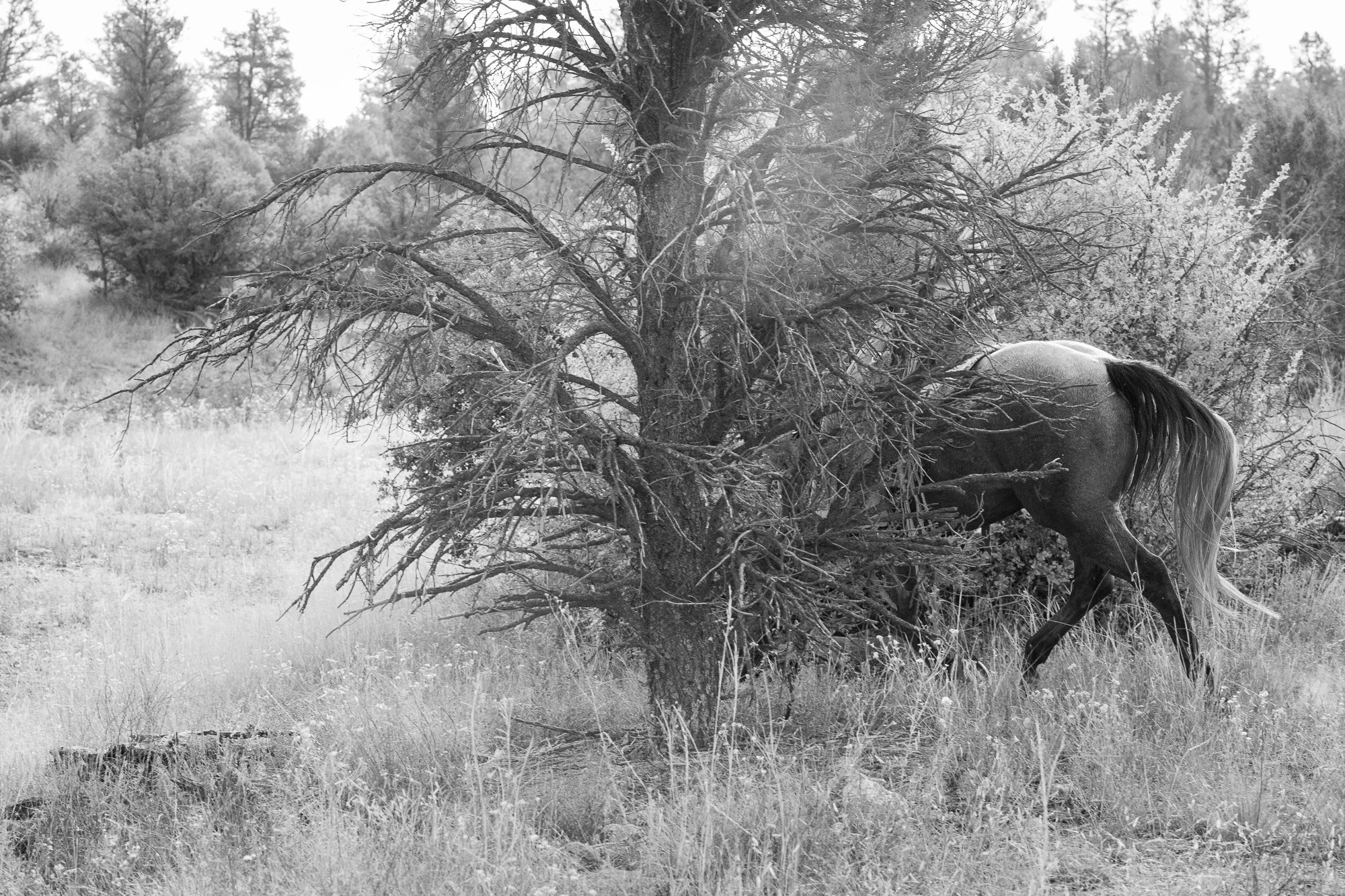
Horses running free on an Arizona cattle ranch

A cowgirl puts her world champion saddle back in the saddle house on a cattle ranch

World Champion Cowgirl

Photograph of a cowboy saddling his horse on the K4 Ranch in Prescott, Arizona

Saddling a horse on the K4 Ranch in Prescott, AZ

Photograph of an Arizona cowgirl riding her horse through dense forest

Arizona cowgirl riding her horse through rough forest

Photograph of a three legged cattle dog

3 legged cattle dog

American Road Trip Photography

The Great American Road Trip - Photography

When are you supposed to say enough is enough and move on to another subject? Roadside Meditations was published a few months back, which would (should?) be the logical line in the sand stating ok, you did the thing, now try something else! And a person smarter than myself would probably do that! History thus far does not comply. My long term personal project are just that, personal. So I might partially focus on a new subject, but I’m always on the look-out for images that fit the older projects too. It’s not intentional. It just is. I love these projects and can’t help myself.

Click HERE to purchase a copy of Roadside Meditations or contact me directly to inquire about prints of my American road trip photography.

Photograph of a road going through a beautiful cattle ranch in Montana

Wyola, Montana

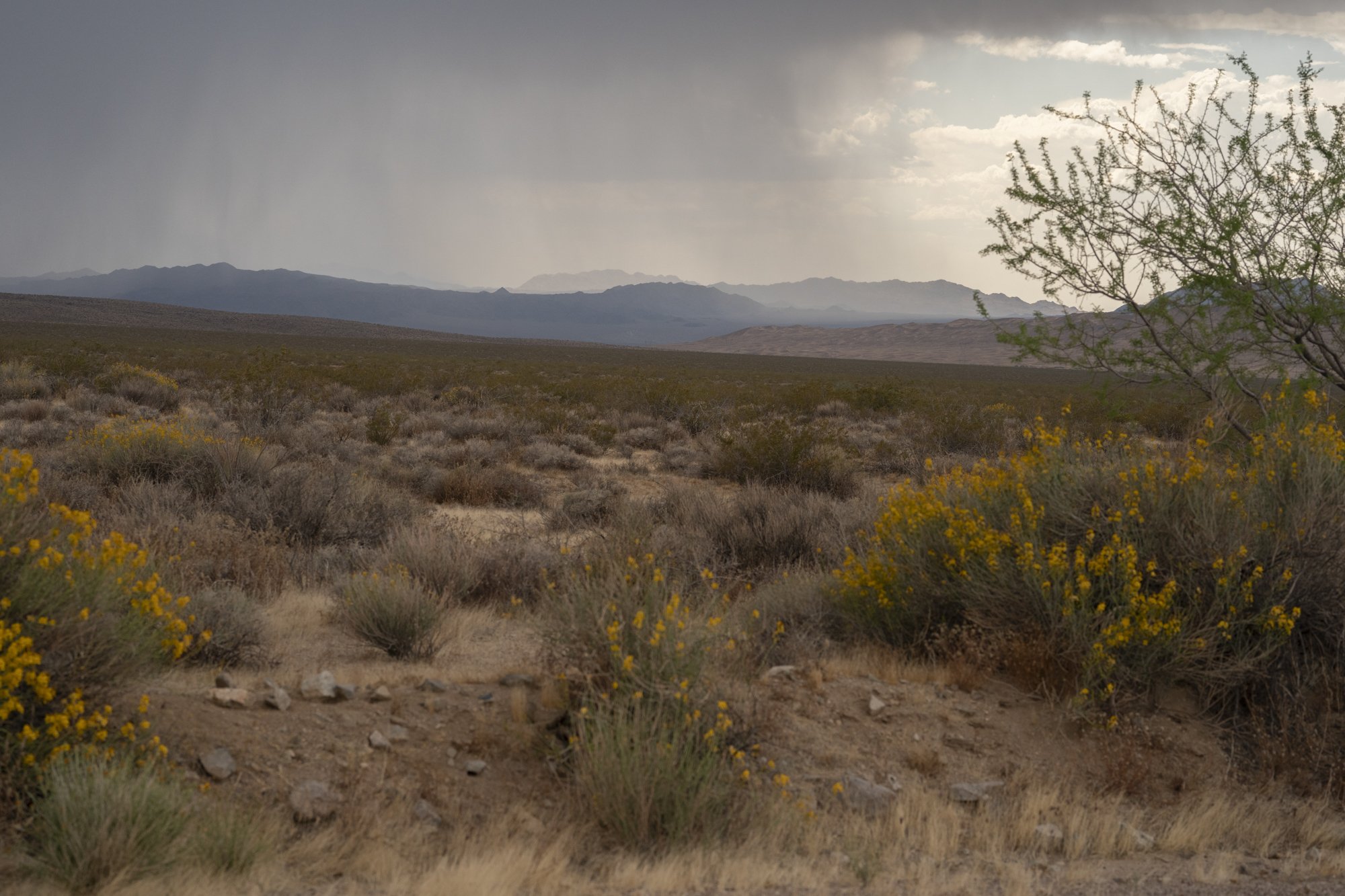
Landscape photo of the California desert

California desert

Photograph of a vast Wyoming landscape

Wyoming

Landscape photo of the California desert

California desert

Photograph of a train going through the landscape of Parker, Wyoming

Parker, Wyoming

California desert road trip photo

California desert

Photograph of plants in the California desert

California desert

Aerial Photograph of a road going through a desolate section of the California desert

California desert

Basketball In Winter

Basketball Culture Photography

Basketball Art Prints - Winter

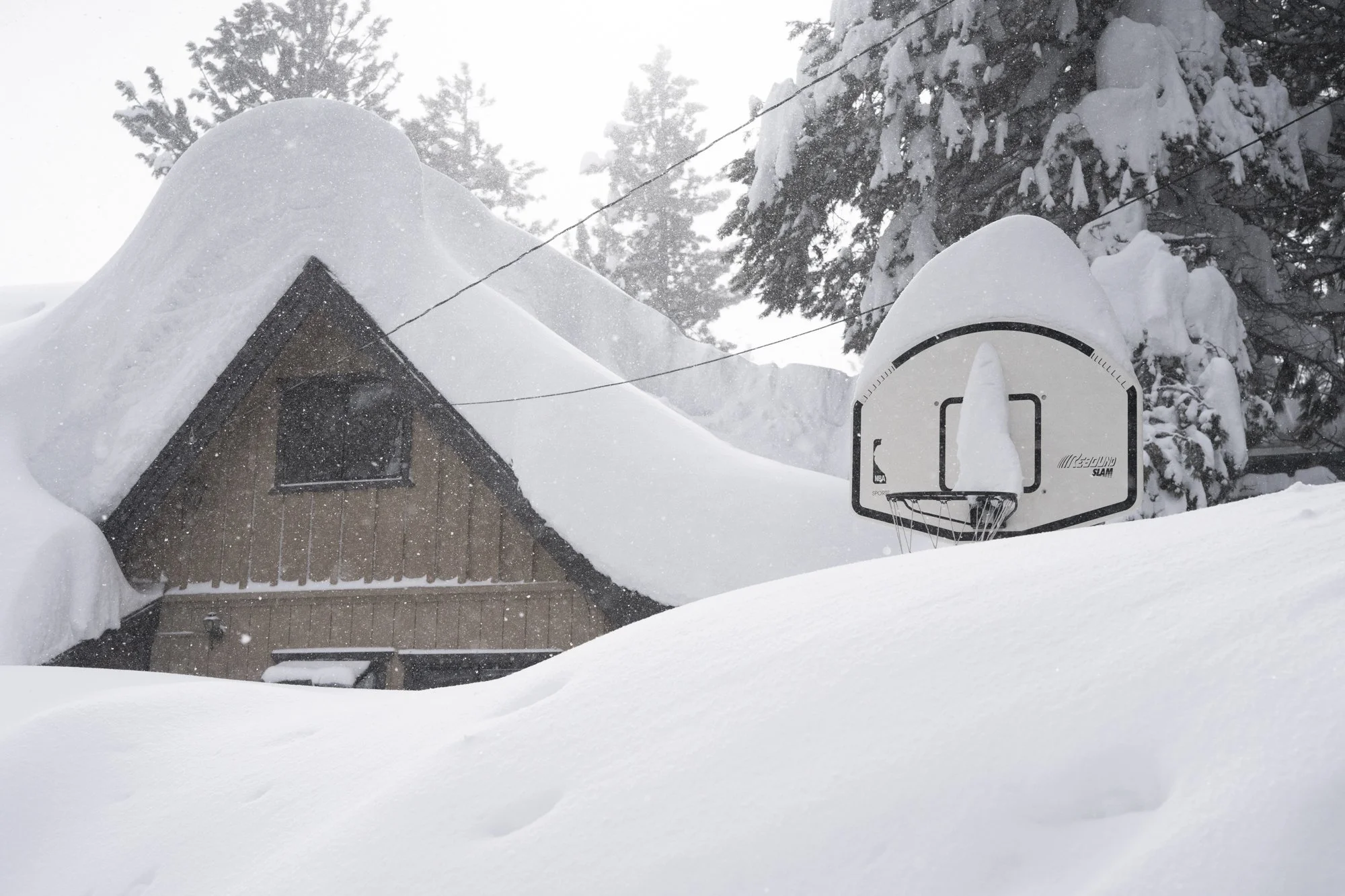
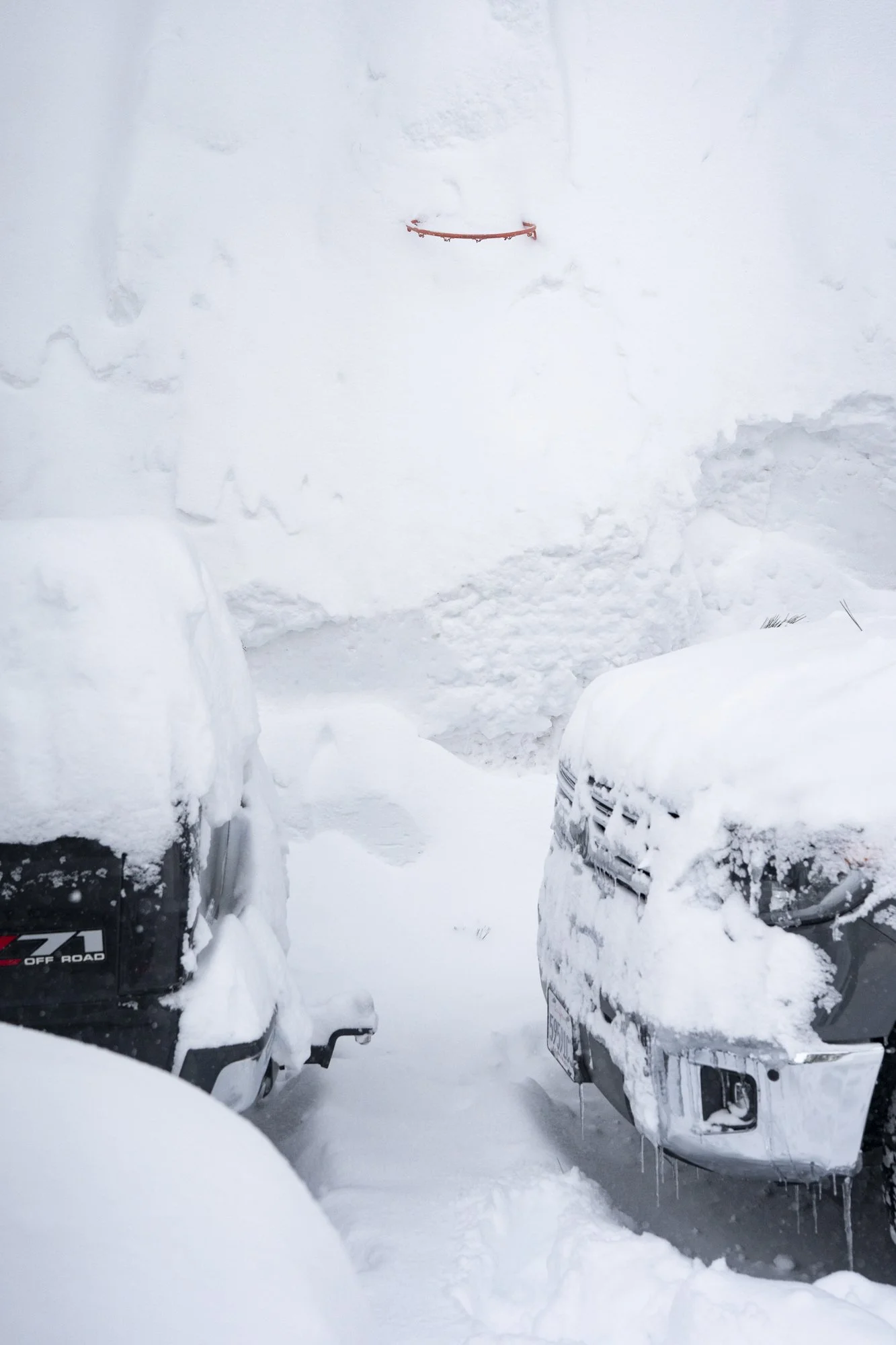
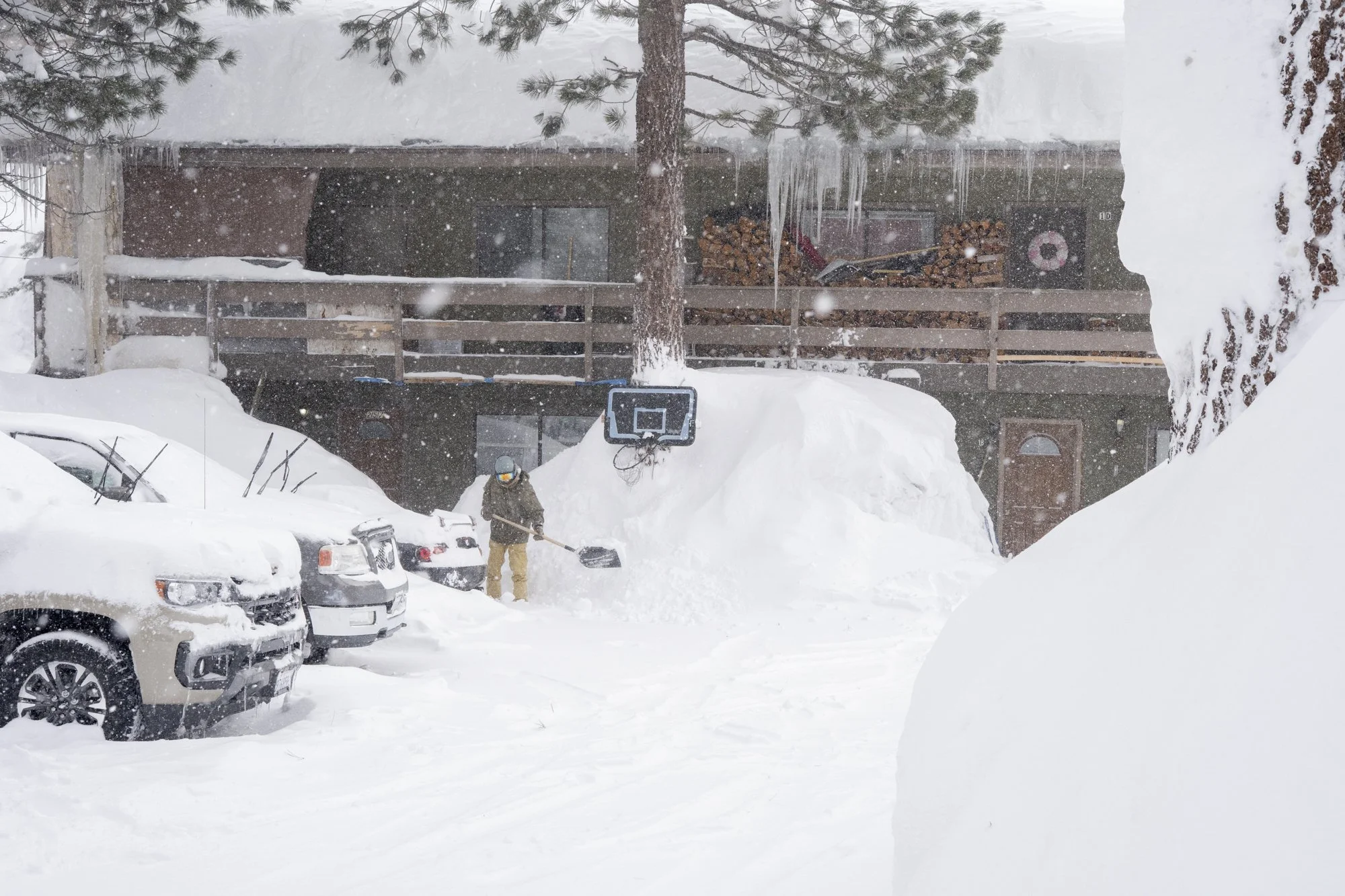
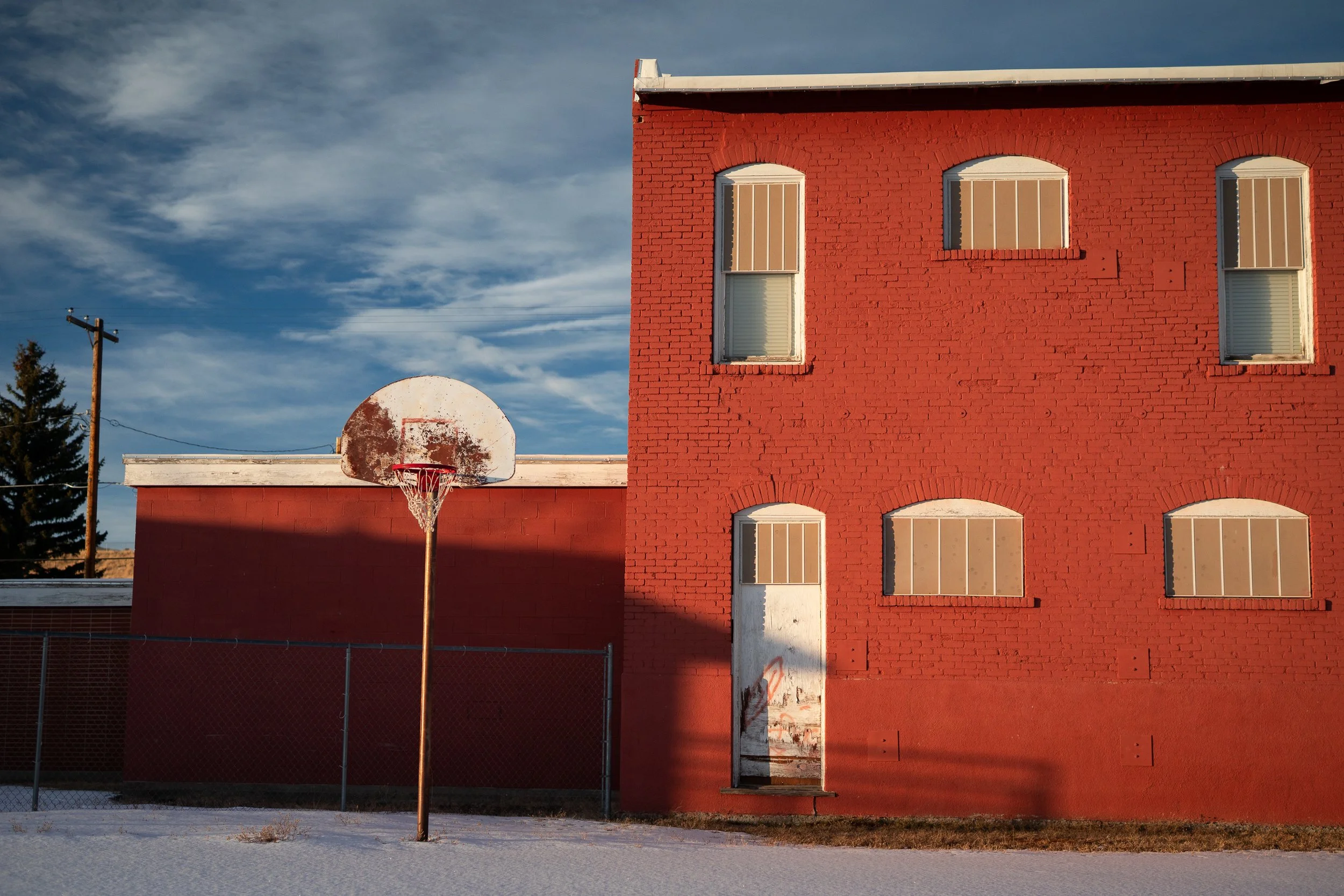
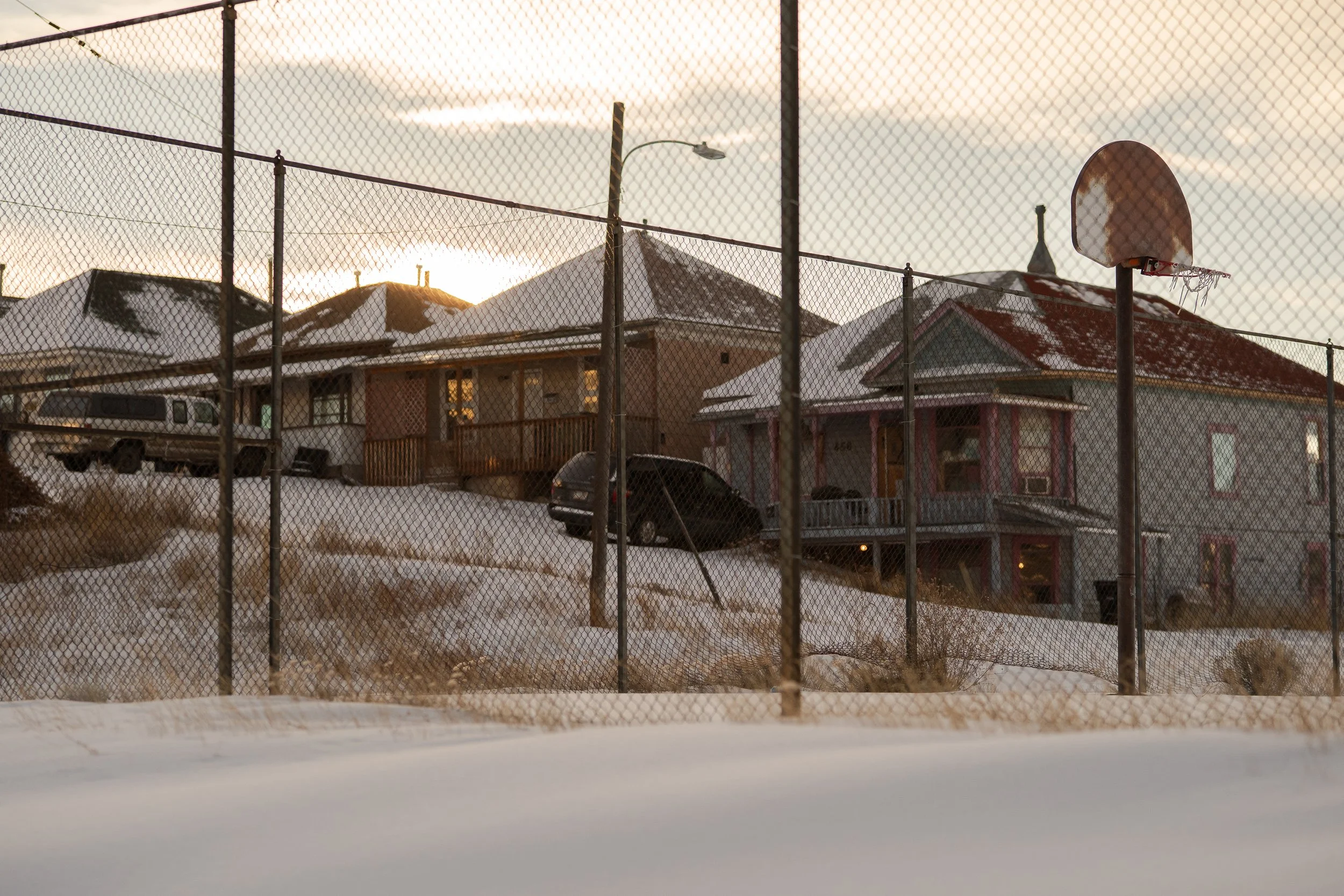
The other day I received a basketball image request from a client which caused me to dig through the archives of the American Backcourts series. It was staggering to see how many images I’ve made of basketball hoops all over this country. The digging also brought up a lot of good memories that were a great reminder of why the series still continues today. The images you see here are from this past winter in California and Wyoming.

Contact me directly about fine art basketball hoop prints for your home, office, or commercial space - rob@robhammerphotography.com

Basketball Hoop - Freedom, Wyoming

Mammoth, California

Mammoth, California

Mammoth, California

Road Trip Photos - USA

Photography and the Great American Road Trip

Road Trip Photo Book

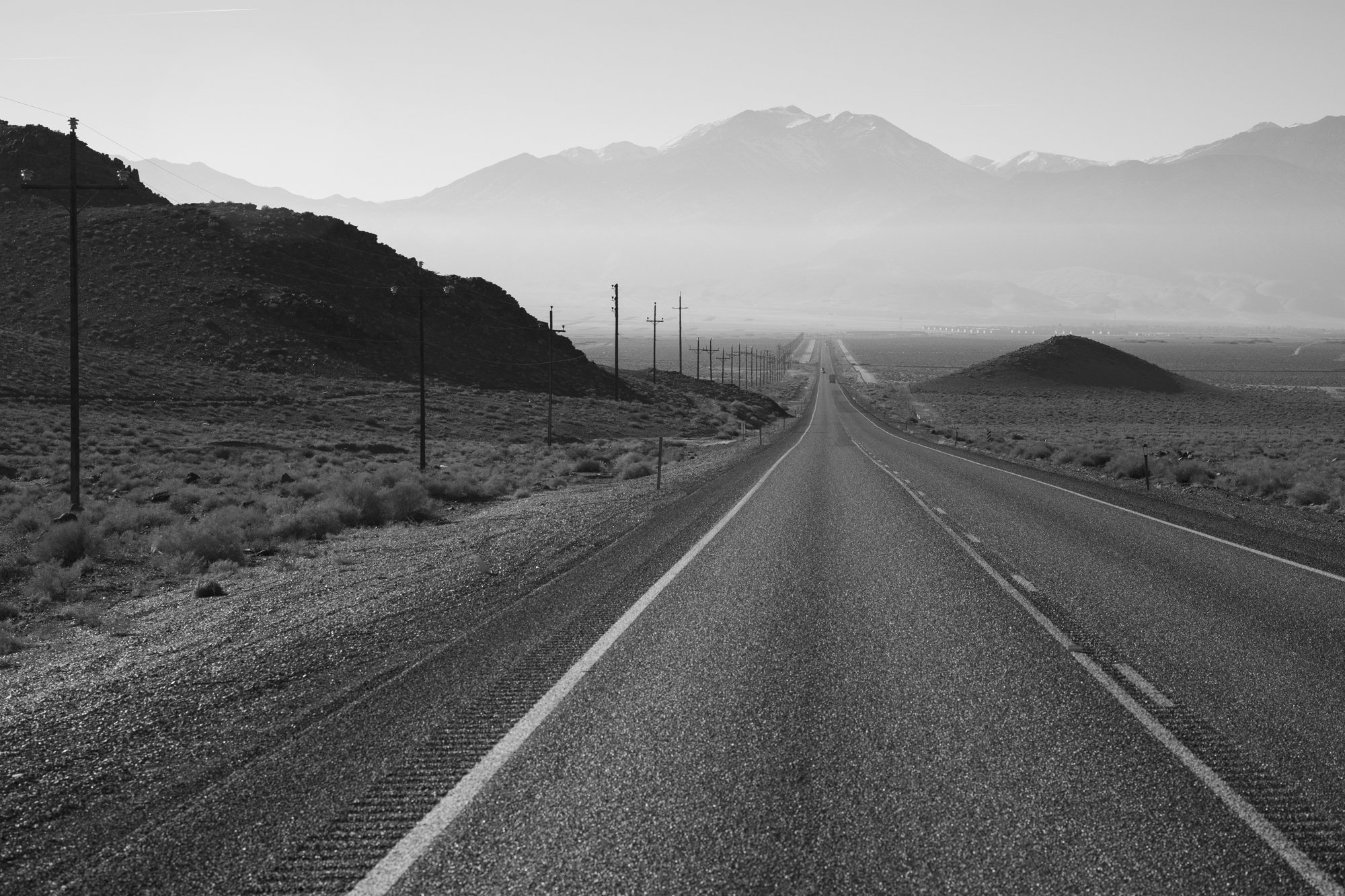
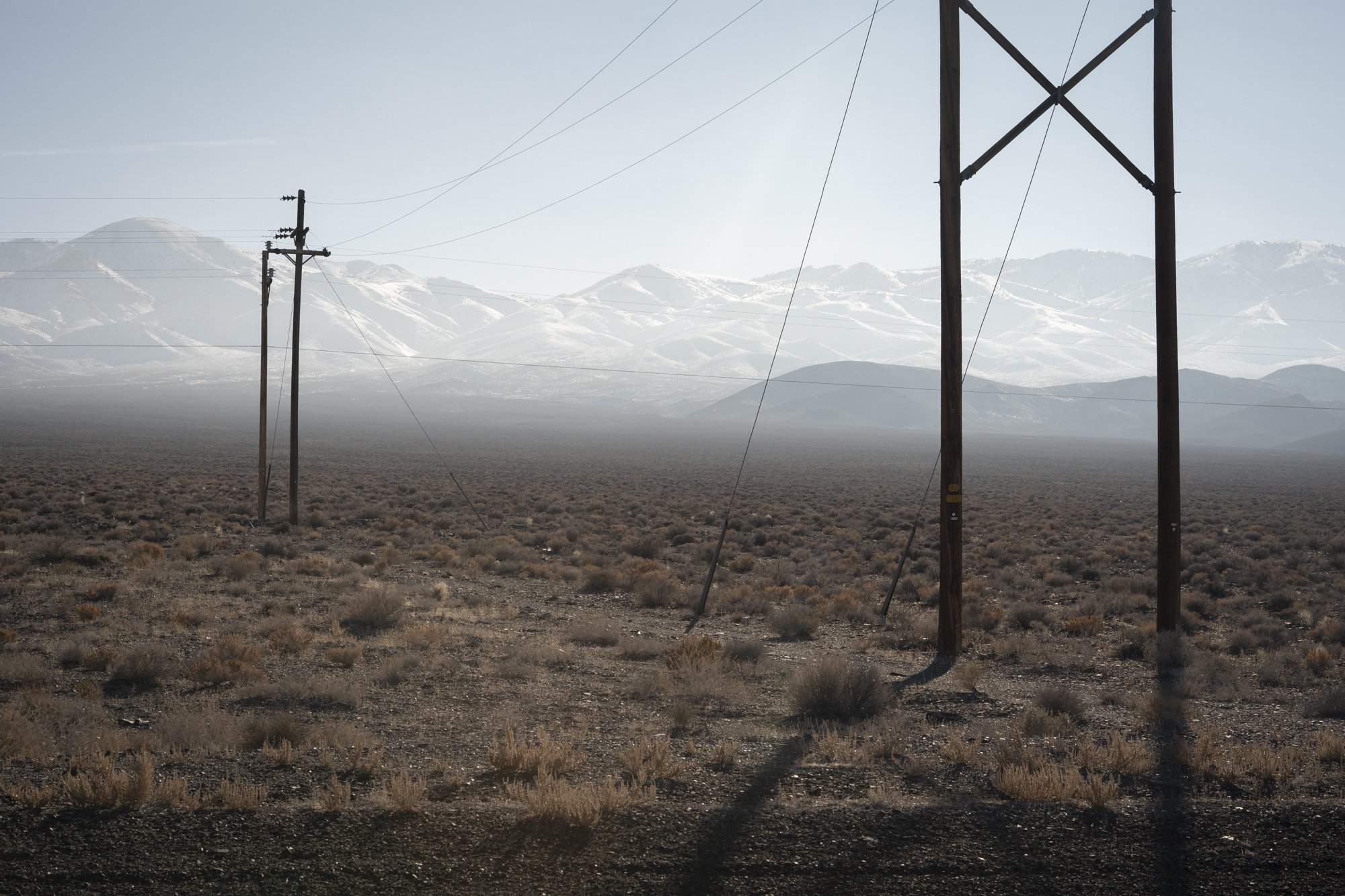
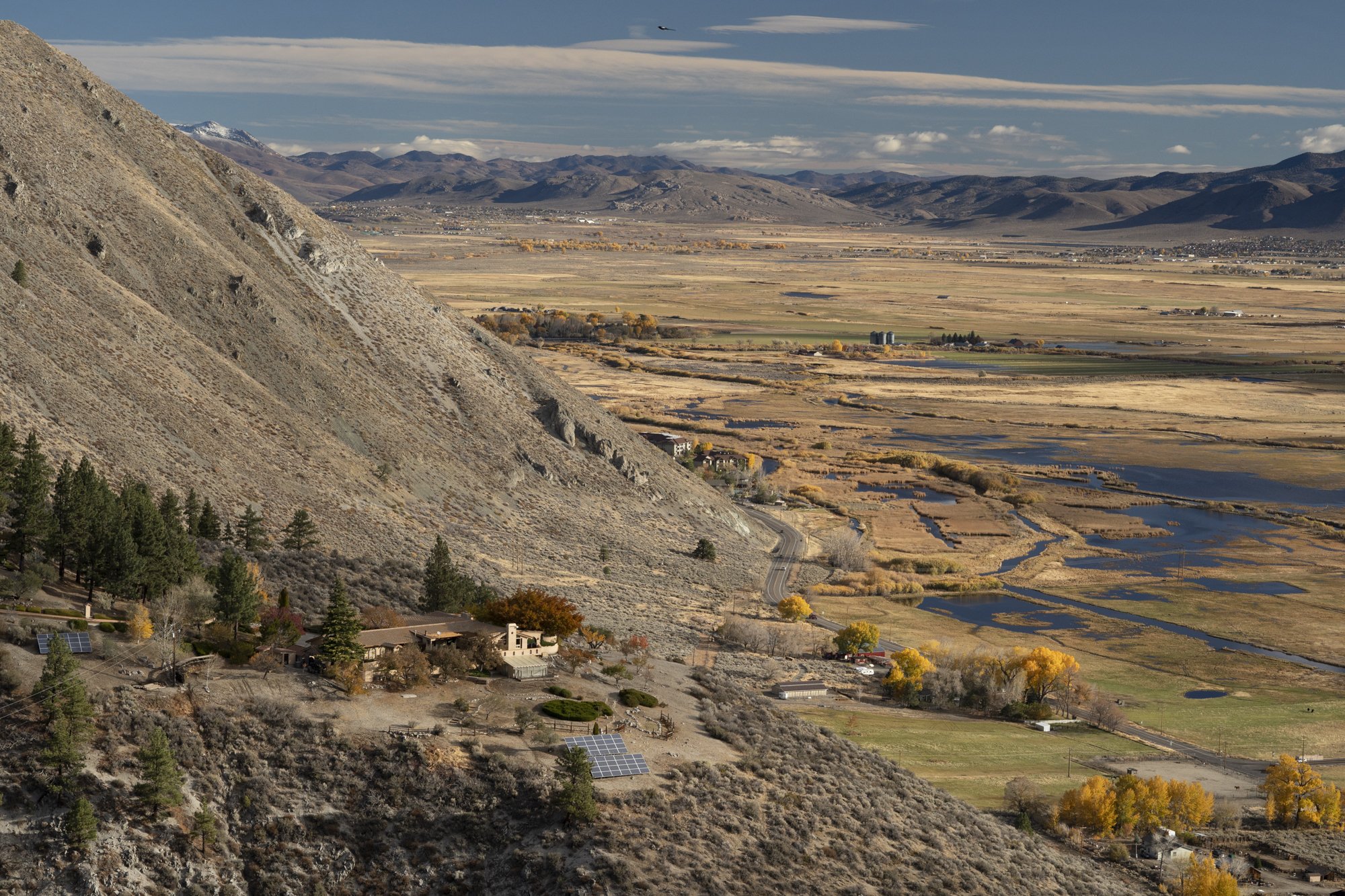
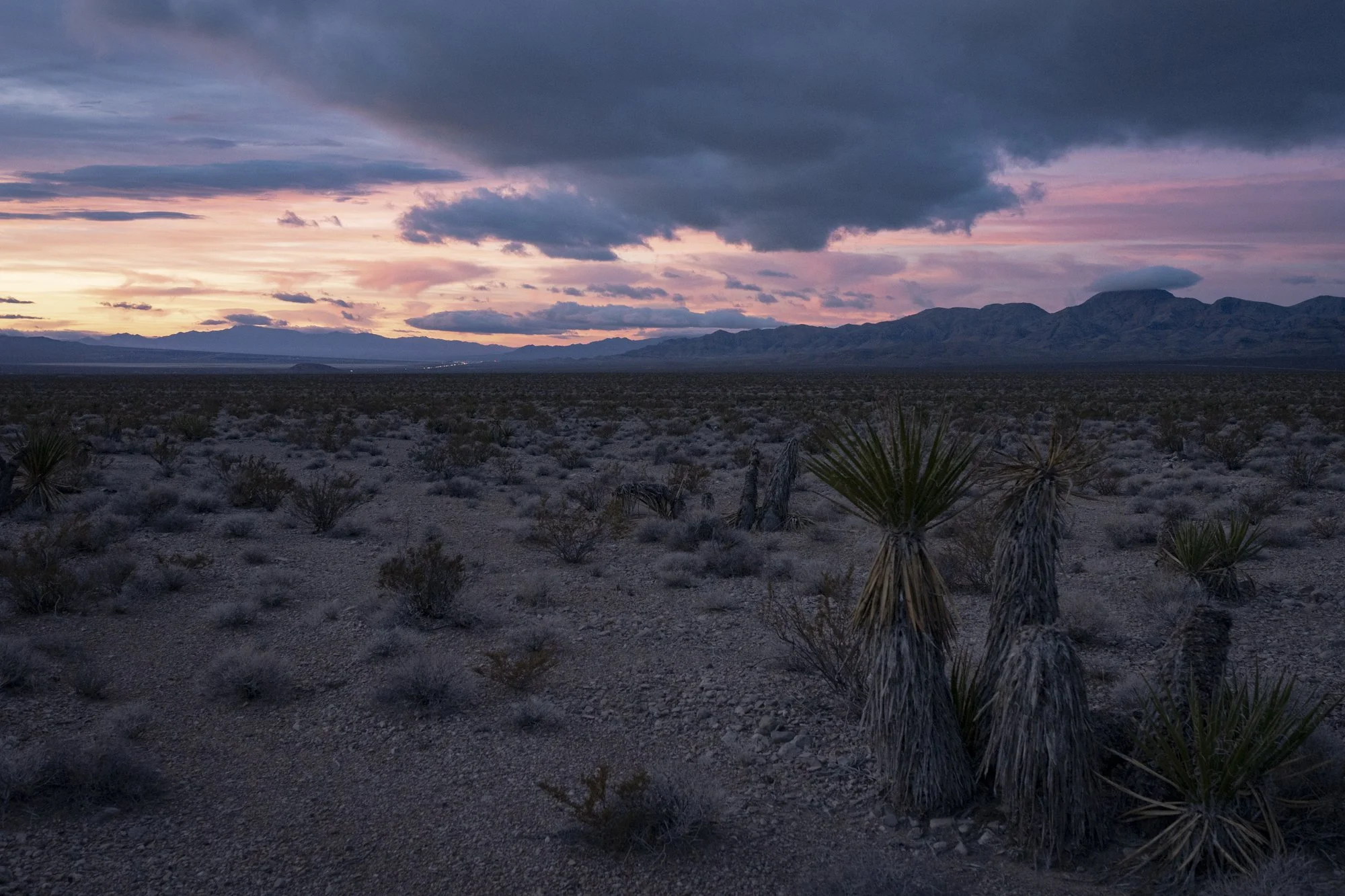
It’s a good thing most people only think of Las Vegas when Nevada gets brought up. Otherwise it gets thrown into the “fly over state” category. Staying that way would be just fine. The hoards can go elsewhere and leave the untamed beauty to the rest of us that truly appreciate it. Of the states many redeeming qualities, under populated ranks very high on the list. I’d argue it has everything, but that’s an obvious bias. The biggest draw is almost endless open roads, which is why it fits so nicely for my Roadside Meditations series. One of those places that really allows your mind to wander. Beyond that, it’s got sage brush, deserts, mountains, snowboarding, fly fishing, and cattle ranches. What more does a guy need? All joking aside, Nevada is a really special place. Another one that took me a while to understand or appreciate, but now the hooks are firmly planted. Desert mornings and evenings offer a vibe you can’t find elsewhere. It’s something about the light mixed with the color palette and textures of the landscape. I’ve spent many a night sleeping in my truck in Nevada, waking up to sunrises that rival any in the country.

Click here to pick up a copy of Roadside Meditations

Contact me directly about American road trip photography prints for your home, office, or commercial space - rob@robhammerphotography.com

Desert road near Goodsprings Nevada - American Road Trip Photography - Rob Hammer

Goodsprings, Nevada - Road Trip Photography

Desert road near Goodsprings, Nevada - American Road Trip Photography

Goodsprings, Nevada - American Road Trip

Jean, Nevada -Photography - American Road Trip

Jean, Nevada - Road Trip Photography

Hawthorne, Nevada Photo - American Road Trip

Hawthorne, Nevada - American Road Trip Photography

Sandy Valley, Nevada - American Road Trip Photography

Sandy Valley, Nevada - Travel Photography - America

Sandy Valley, Nevada - Road Trip- American

Sandy Valley, Nevada - Road Trip Photo Book

Walker Lake, Nevada - American Road Trip Photography

Walker Lake, Nevada - American Photography

Hawthorne, Nevada - American Road Trip Photography - Rob Hammer

American Road Trip Photography

Gardnerville, Nevada Carson Valley Photo

Carson Valley, Nevada - American Photography

Driving Through America

American Road Trip Photography

More from the road this winter. You never know what you’ll find out there, which is most of the draw. If you knew, what fun would it be? That’d be like fly fishing if you were guaranteed a catch every single time out. It’s about the hunt. The coyote image is a great example how the road always keeps you guessing. I only found them because of a pee break on the side of some desert parking lot in the middle of the Nevada desert. Parking lot is the only word available, because it didn’t seem a need for one. There was nothing around for miles and miles. Nevada desert. Which begs the question, why were the coyotes there? Clearly they were killed by hunters and placed carefully in that spot. It took effort to drag them from the kill location. Why not just leave them there? We’ll never know. Nor does it matter. Just the kind of thing you see on the road.

Click here to see more of my America series

Dave's Pubb - Tetonia, Idaho - dive bar - photo - America

Dave’s Pubb - Tetonia, Idaho

Photograph of the Lovelock Speedway - Lovelock, Nevada

Lovelock Speedway - Lovelock, Nevada

Dead coyotes in the Nevada desert -photo

Nevada desert

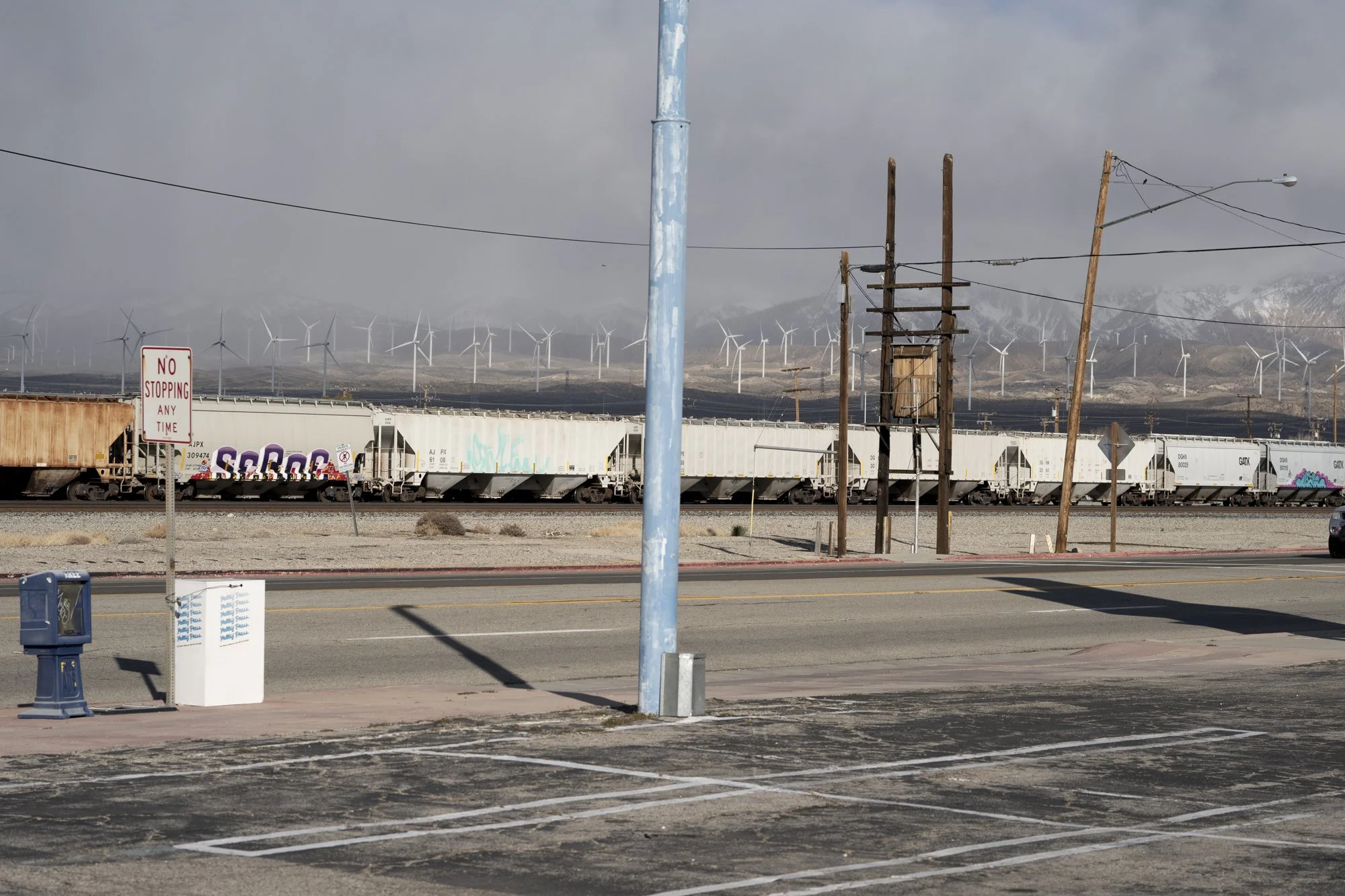
Mojave, California Photo Train Windfarm

Mojave, California

Hawthorne, Nevada - movie theater - photo

Hawthorne, Nevada

American Road Trip Photography Book

American Road Trip Photography Book

Photo Book - The Open Road

For the past 13 years, I’ve been photographing the quieter edges of America—small towns, roadside motels, empty streets, and the kinds of places most people pass without stopping.

What began as a road trip became a long-term body of work built over hundreds of thousands of miles on the road.

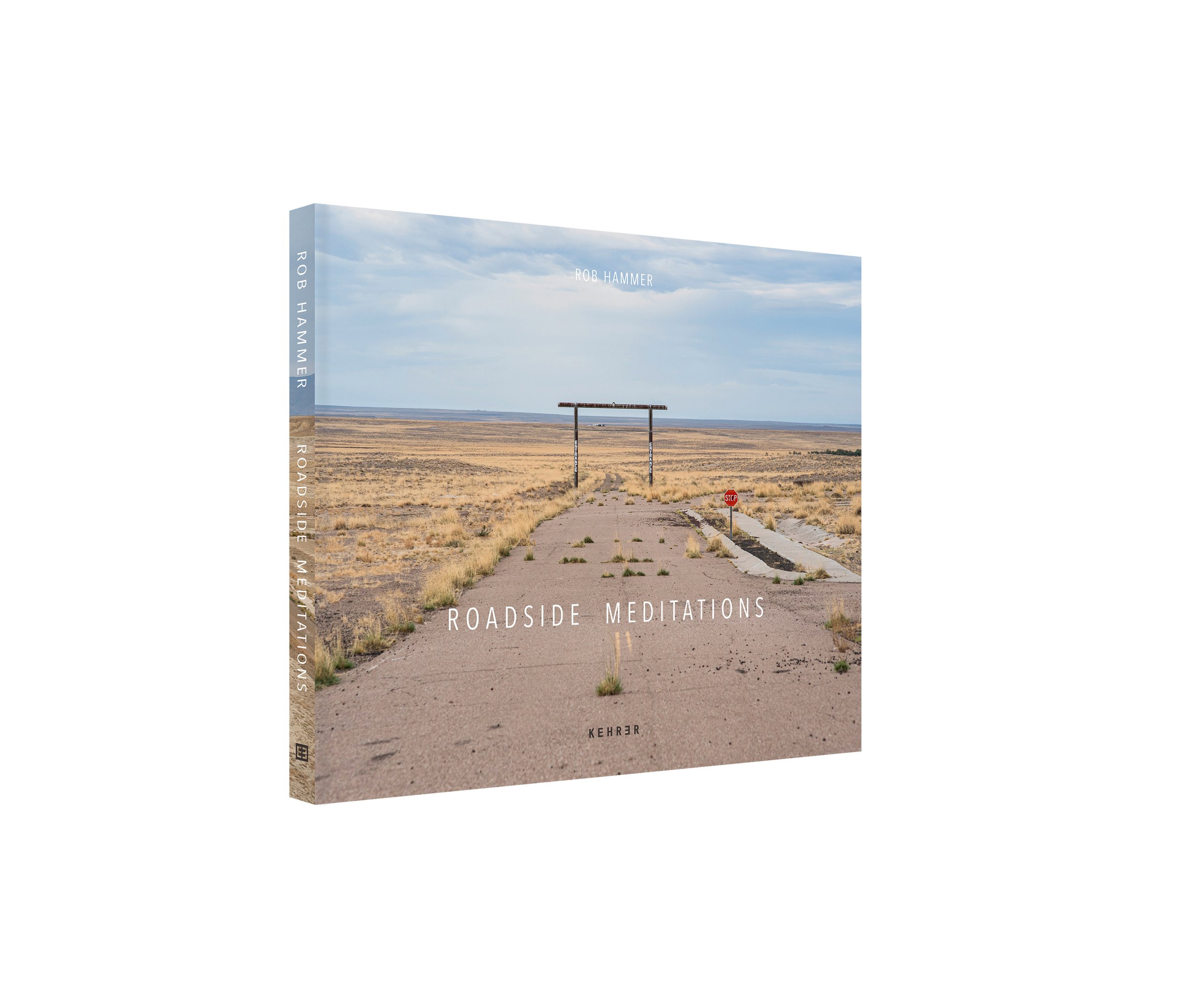
That work is now collected in the book Roadside Meditations.

Roadside Meditations — A Photographic Record of the American Road

This fine art photography book brings together photographs made across the United States, focusing on places that exist just outside of attention.

There’s no single destination or narrative arc. The work moves through the country the same way the photographs were made—slowly, without urgency, and often without a clear endpoint.

The images reflect towns that feel paused in time, buildings that have outlived their purpose, roadside spaces shaped more by use than design, and landscapes that hold a quiet, persistent stillness

This is not a document of landmarks, but of presence—of what remains when nothing is trying to be seen.

An American Landscape Between Moments

The photographs sit within a tradition of American color work that looks beyond spectacle and into the everyday.

Gas stations, motel rooms, desert edges, storefronts, parking lots—places that are often overlooked, but deeply characteristic of the American landscape.

The interest is in the in-between: The space before something happens. The trace of something that already has. The feeling that time moves differently in certain places

Many of these scenes resist being tied to a specific moment. They exist somewhere outside of it.

The Book

Last week on the drive home from Wyoming I listened to a great podcast with Rick Ruben and Rich Roll. Rick is such a unique and inspiring individual with an immense amount of knowledge from a lifetime of varying experiences. Of the many nuggets he dropped on the show, this one stuck out the most - “The audience comes last, in service to the audience. The audience wants the best thing. They don’t get the best thing when you’re trying to service them. They get the best thing when you’re servicing yourself. When you’re true to who you are”.

That’s an invaluable statement for any creator to hear and it sums up exactly how I feel about photography, for personal projects as well as commercial work. Very rarely do you see commercial work that has any great effect on people or the world of photography, because it’s watered down generic imagery that’s sole purpose is to sell a product and feature the companies logo as many times as possible. Nobody wants to take a risk. They want to play it safe and not ruffle any feathers. Seldom does an ad campaign come out with historical significance or staying power. They are about now! How much can we sell now!!?? So what does this have to do with a photography book? Everything. If I or any other photographer set out to make a book strictly with the audience in mind, it would suck. The intention would be glaringly obvious and the images would reflect a direct lack of caring. The title of the book might as well be Money Grab.

Roadside Meditations is a niche subject that’s not for everyone, which you could argue is the case for any fine art book. If it were for everyone, it wouldn’t be worth a damn. To further Ruben’s above quote, I’d like to share how my latest photo book came to be. A few years back I began collaborating with (now) photo editor/consultant Alexa Becker (Germany). At the time she was working for Kehrer Verlag and I was trying to pitch her one (maybe three?) different book ideas, none of which landed. Her interest in my work seemed genuine though, so I kept in touch. And at one point I reached out asking simply for a consultation on my “America” series. After a half dozen back and forths through Zoom, she pulled a few outlying images from my edit and asked if I had anything else that might go along with it. I did, so she began assembling a side edit. A while later she had the beginnings of Roadside Meditations, and told me to forget all about the America series, because “this” was the book! Turns out she was right, and all the roadside images I made thinking they were just accents to the bigger series, was IT all along. The point is that I never had anything in mind for the photos. I wasn’t making them for anyone but myself, and maybe one or two of them might find their way into a book, print, whatever?? Well, here we are a year and a half later, and a large shipment of books is scheduled to arrive from Germany in less than a half hour. So much has happened since then. I’ve continued shooting images that would fit into a Roadside Meditations Vol. 2, but that’s not the intention. The images are only made because I’m drawn to make them. And it would be a bonus if another book happened to develop. Vol.1 isn’t out in the world yet, so there is nothing to say people even want it, but I’m still a firm believer that “the audience comes last, in service of the audience.”

Collecting the Work

Photographs from Roadside Meditations are available as fine art prints.

Each print is produced using museum-grade materials and intended for long-term display in private collections, interior spaces, and galleries. If you’re interested in prints, please contact me directly - rob@robhammerphotography.com

Purchase the Book

Click here to purchase a copy of Roadside Meditations

Fine art American road trip photography book Roadside Meditations by Kehrer Verlag and Rob Hammer

Fine Art Road Trip Photography Book

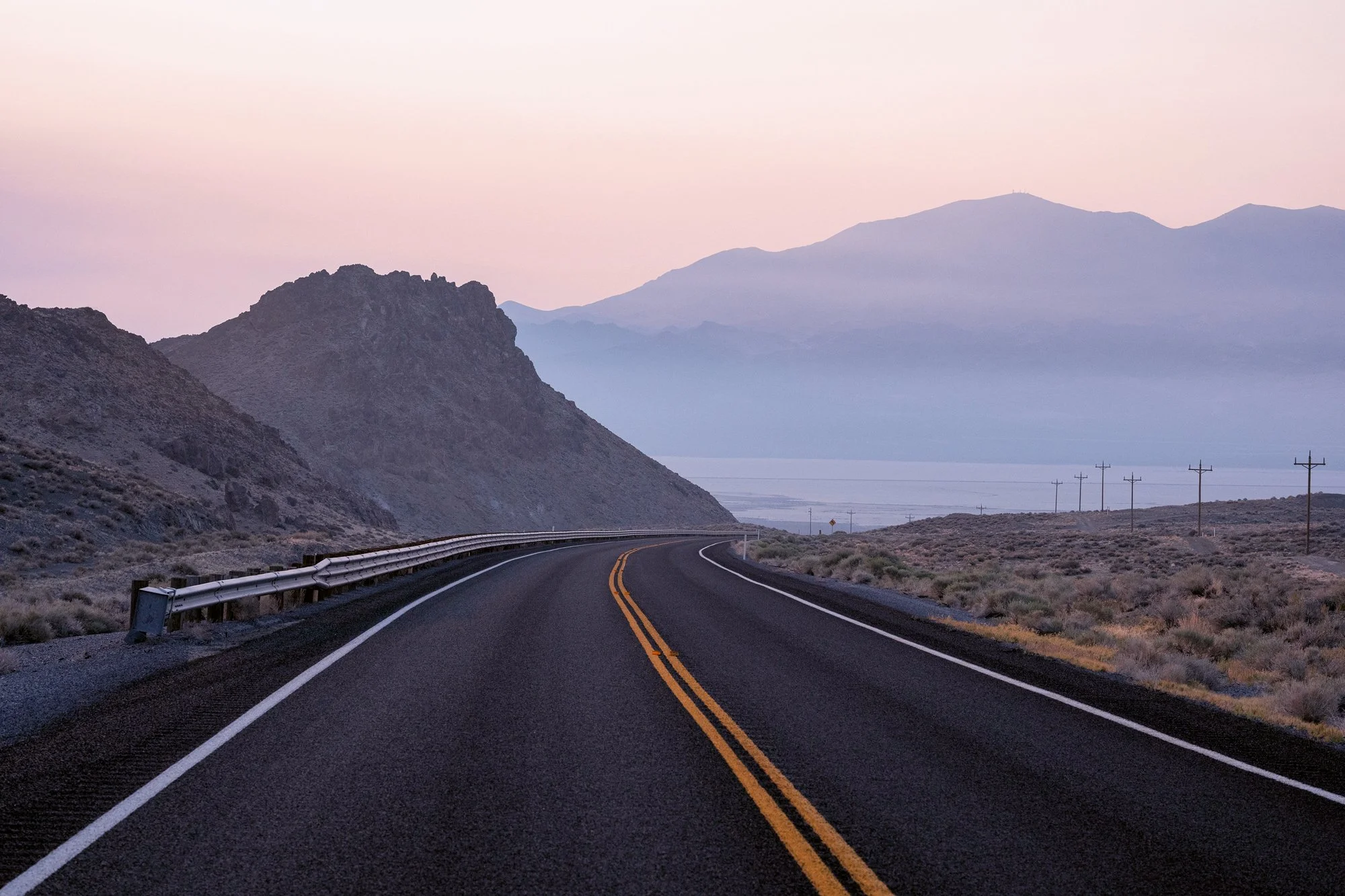
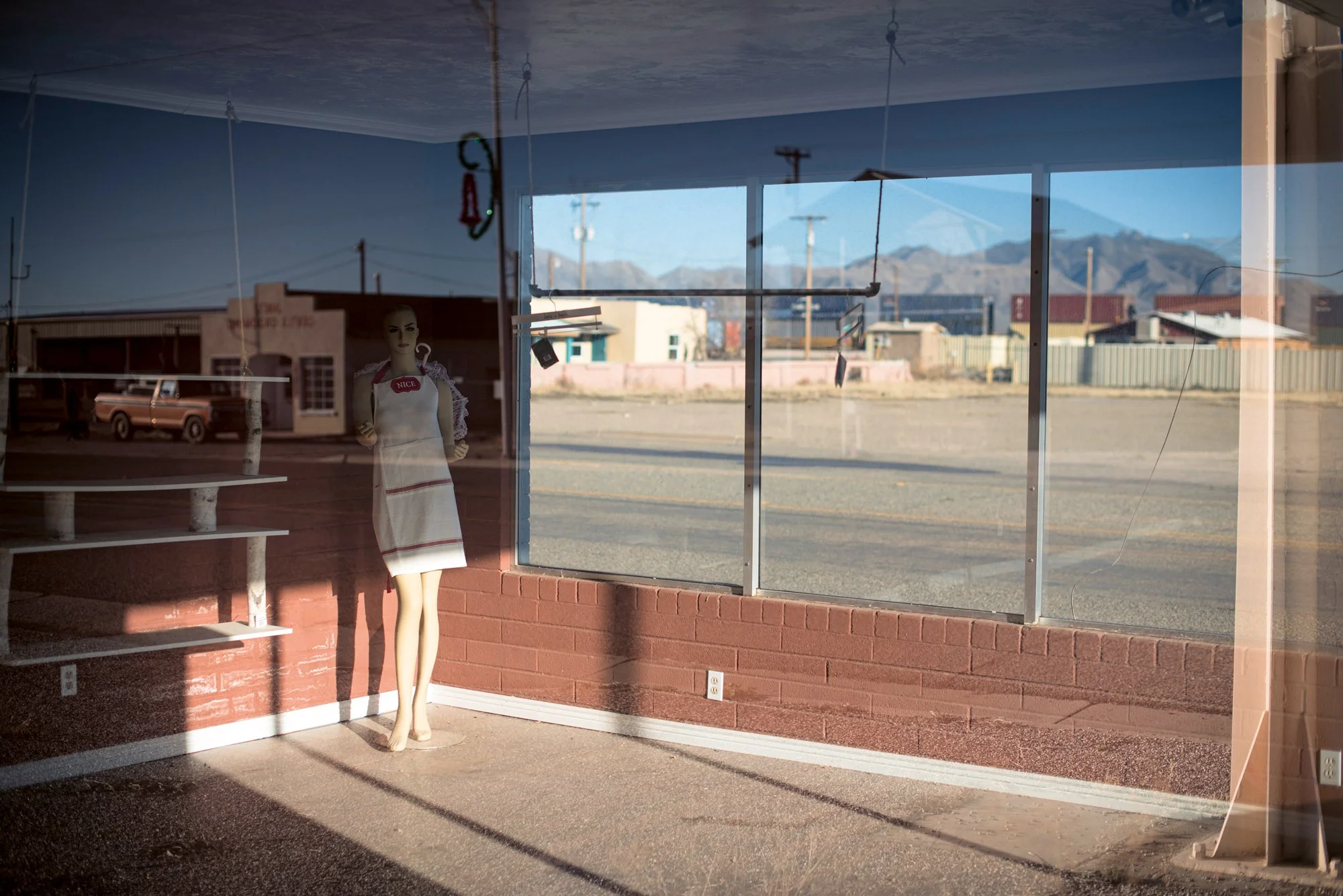
A two-lane road curves into the desert as the last light settles over the mountains.

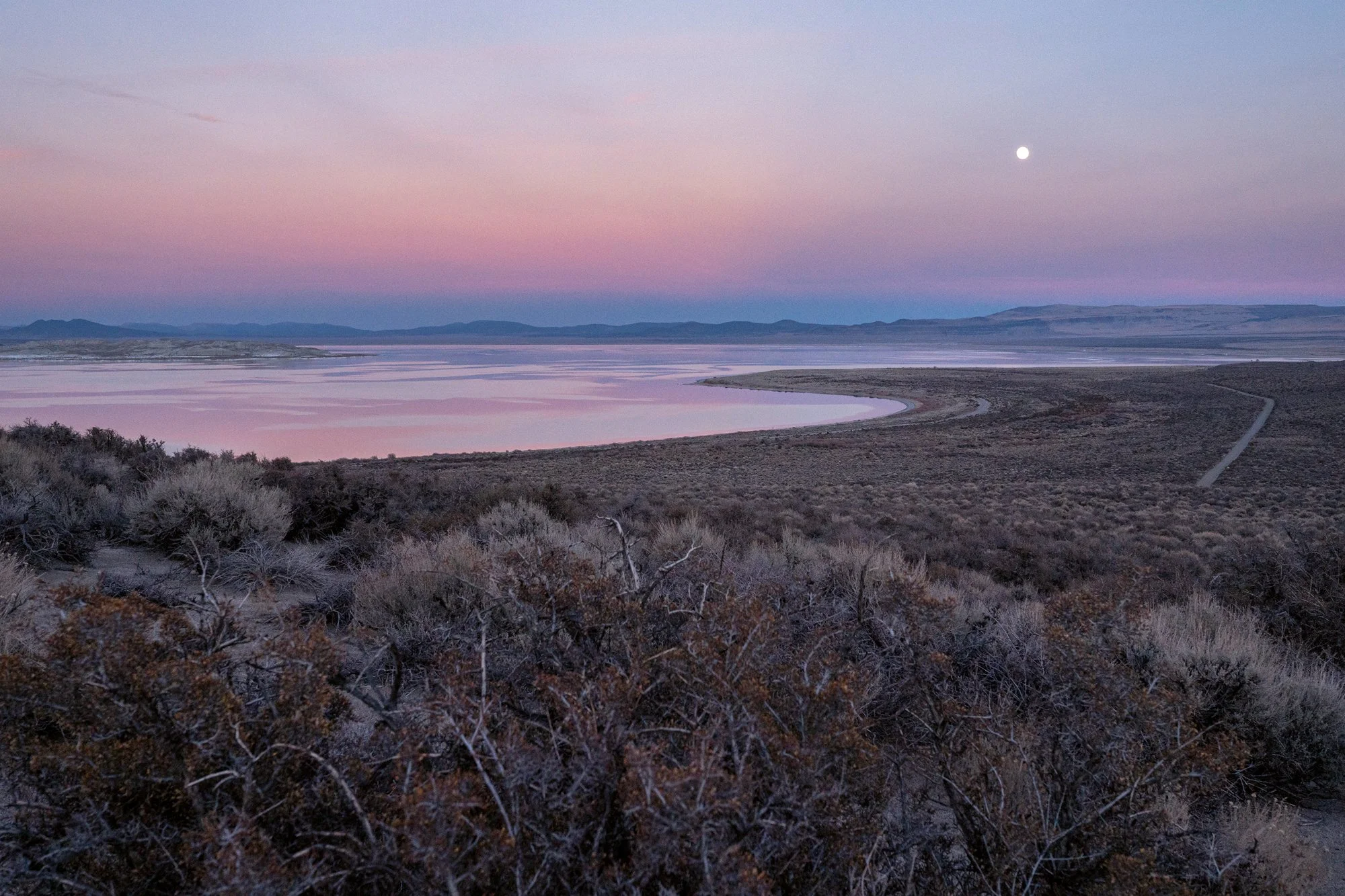
The shoreline bends into still water under a fading sky, the moon rising over the basin.

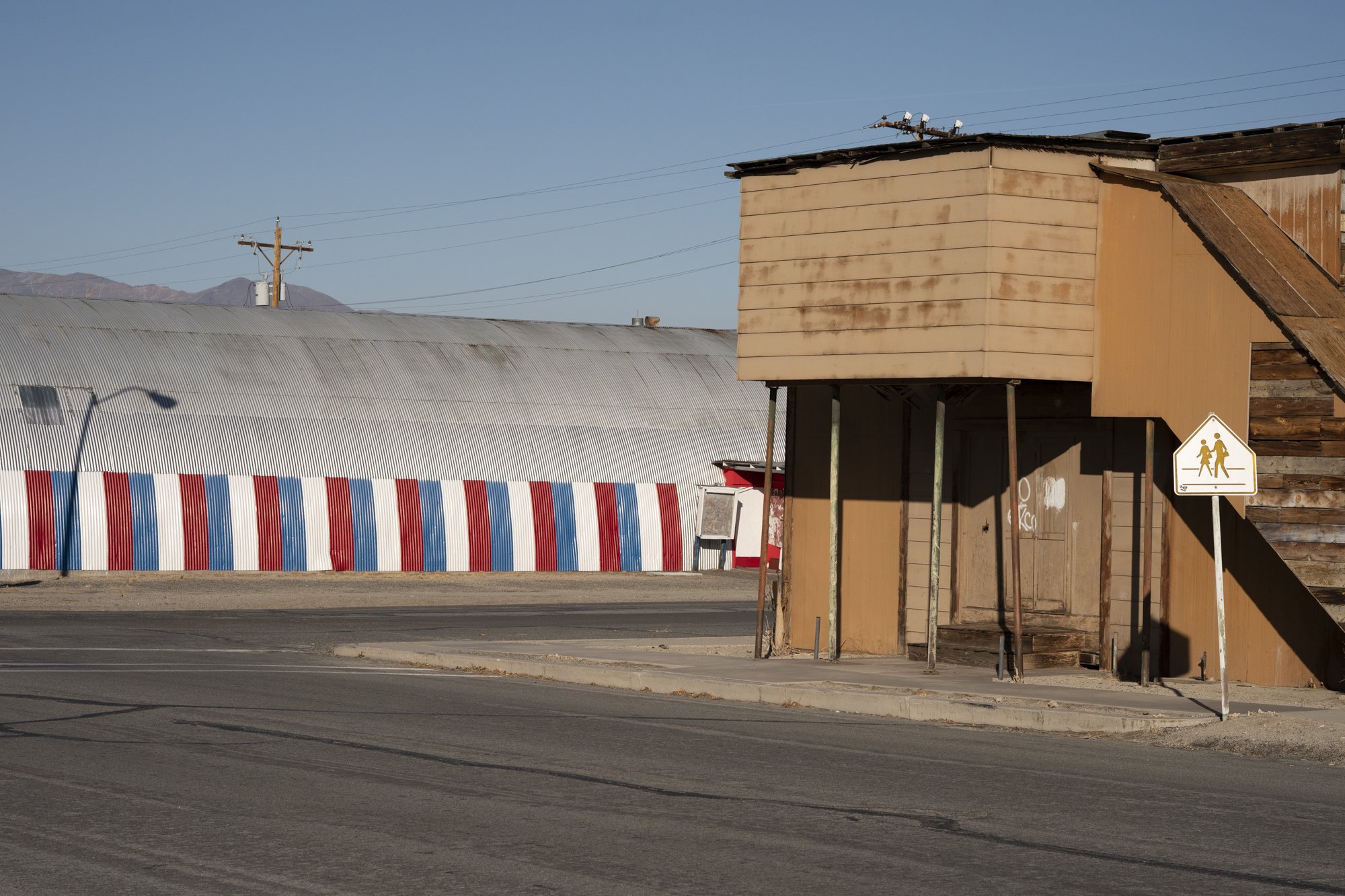
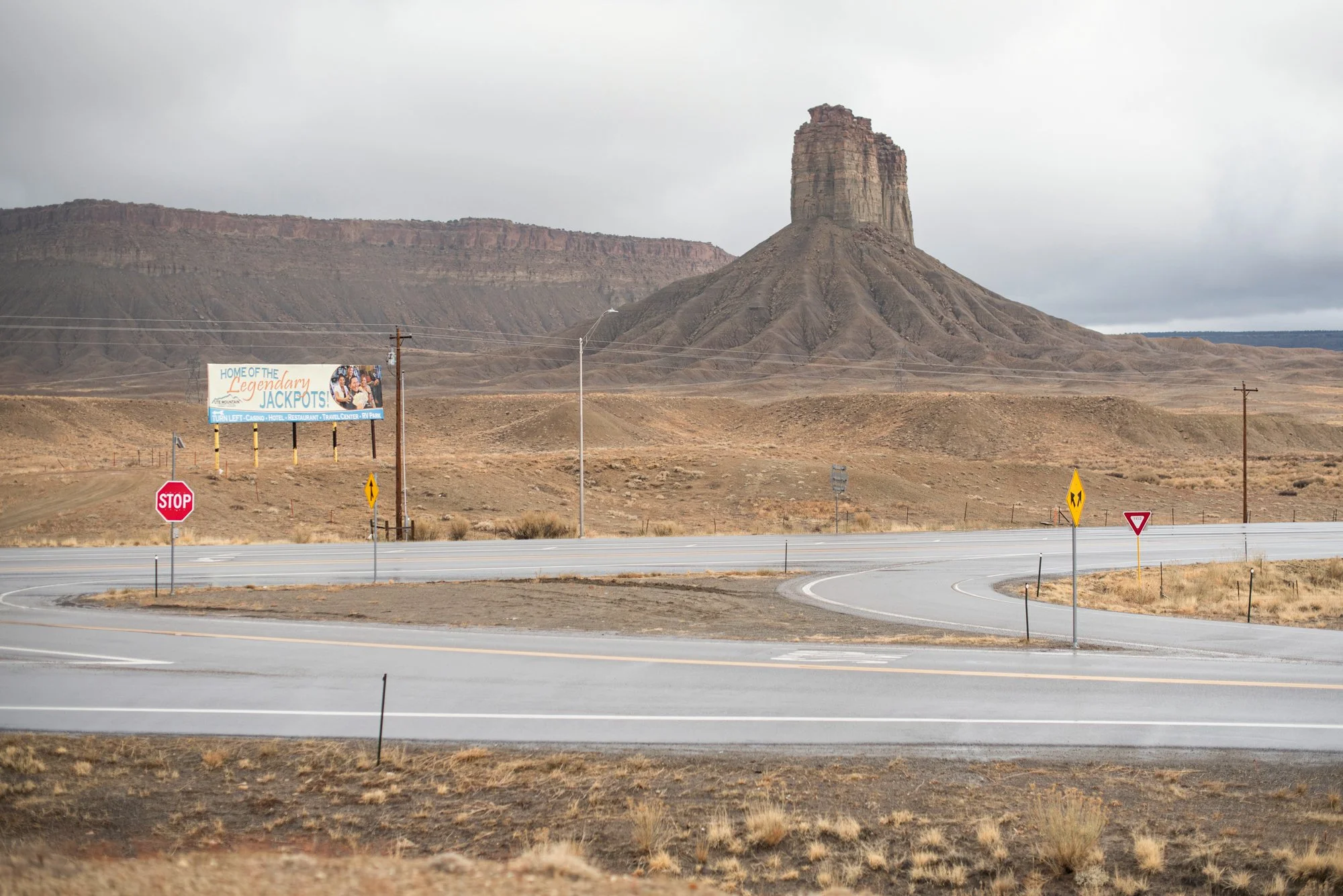
A quiet intersection sits beneath a weathered formation, where signage meets open land.

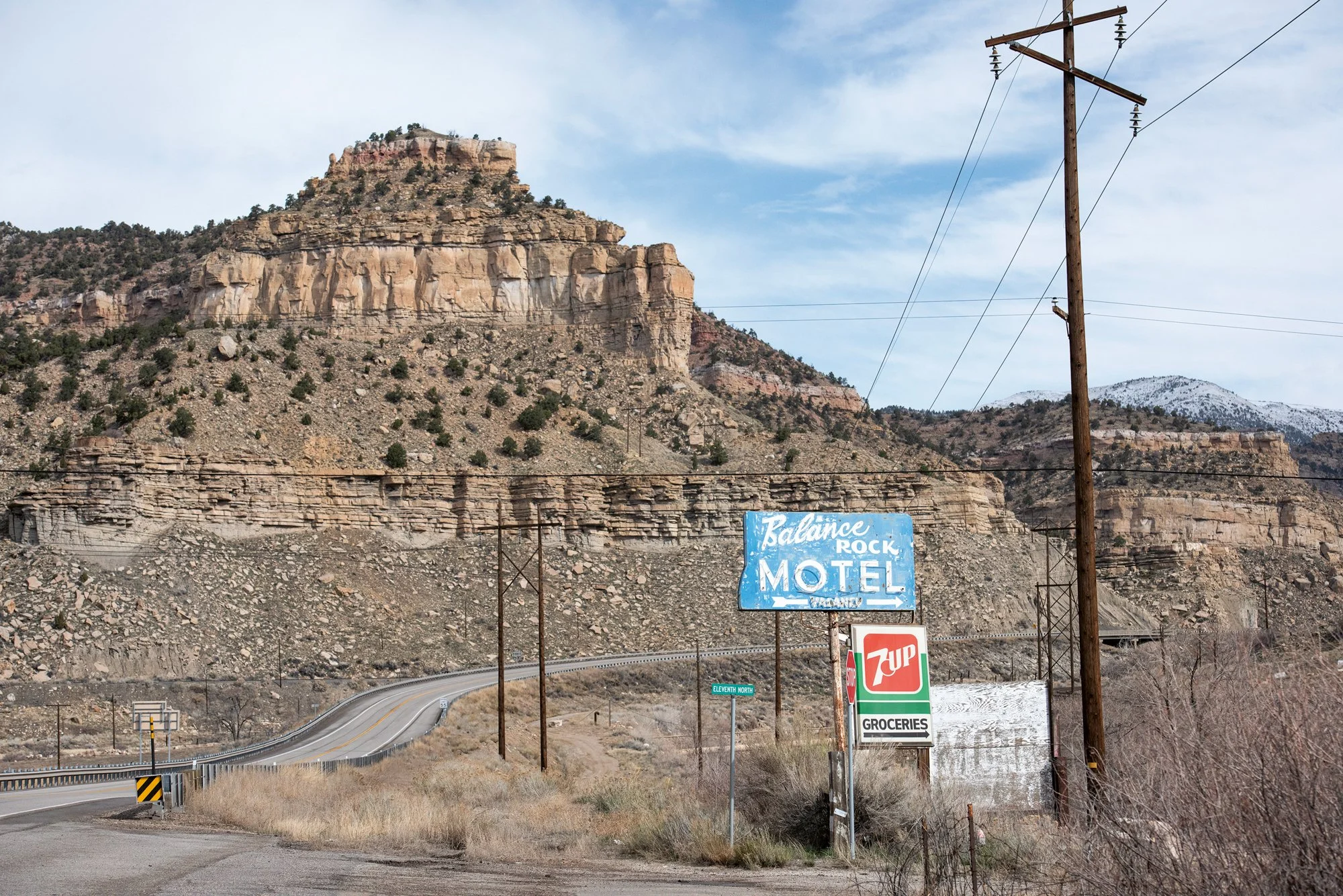
A roadside sign marks a place to stop, set against the slow movement of the landscape.

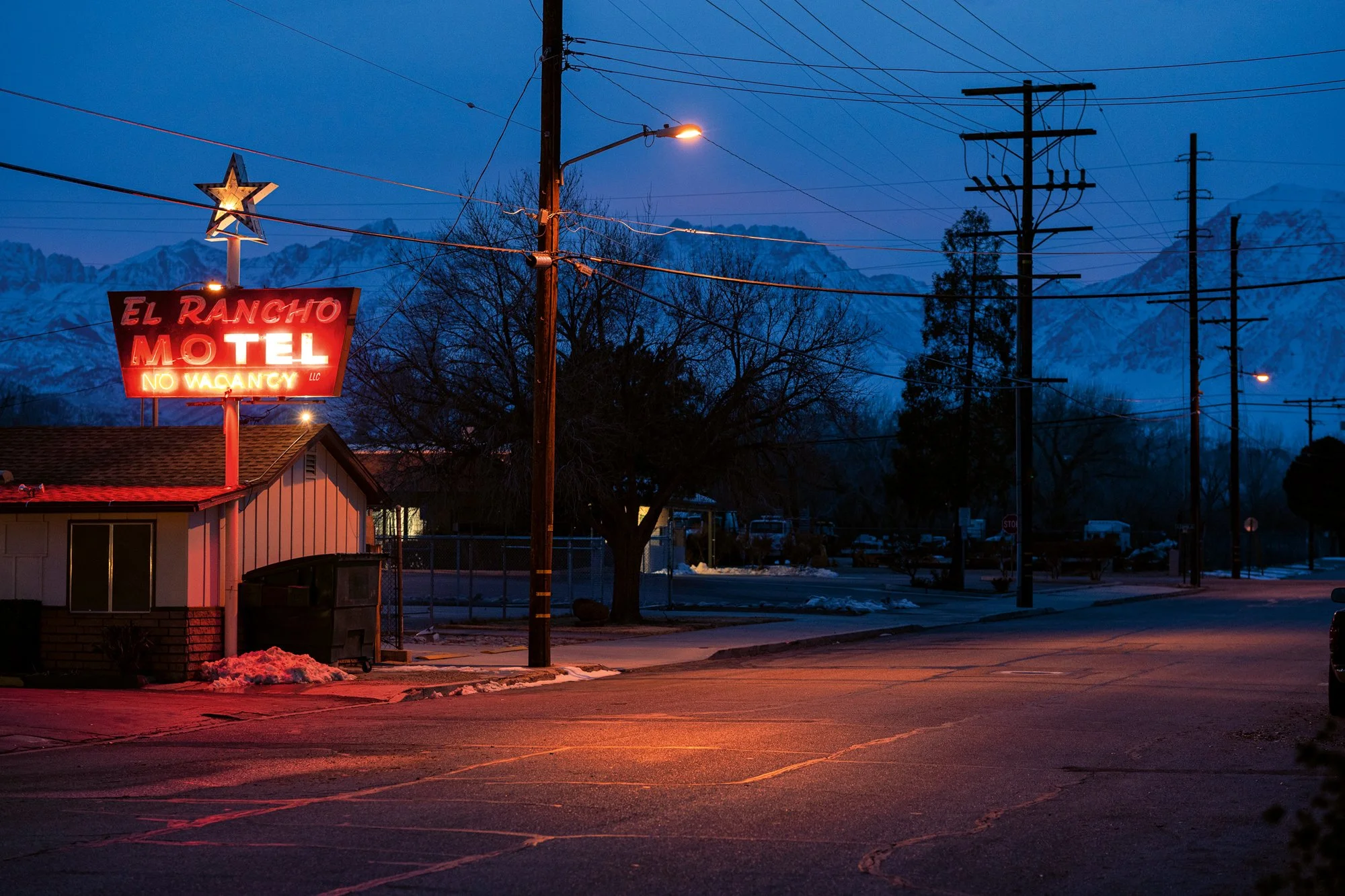
Neon light spills onto an empty street, holding the only sign of activity after dark.

Expansive desert landscape with dramatic cloud formations over vast basin

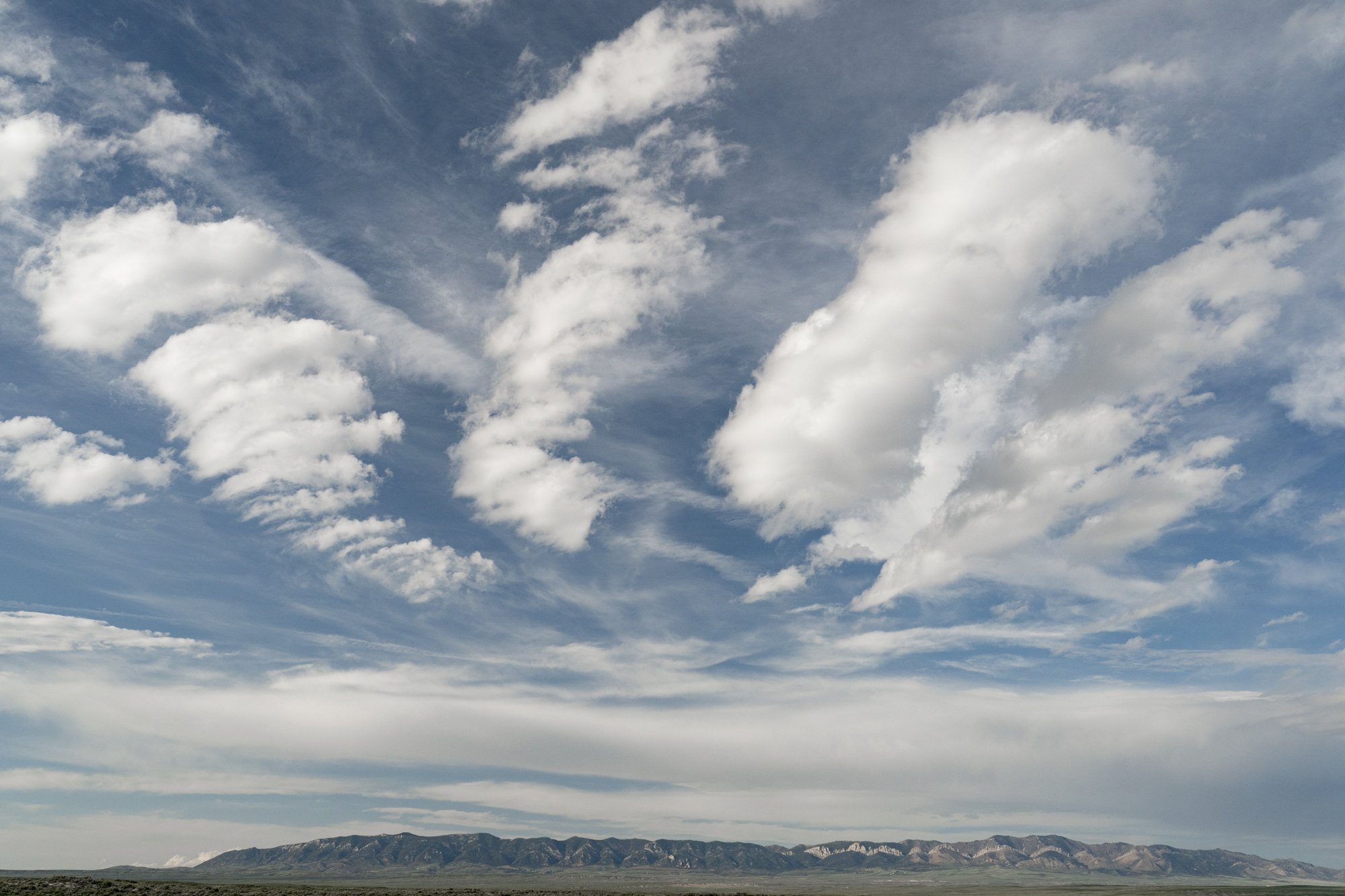
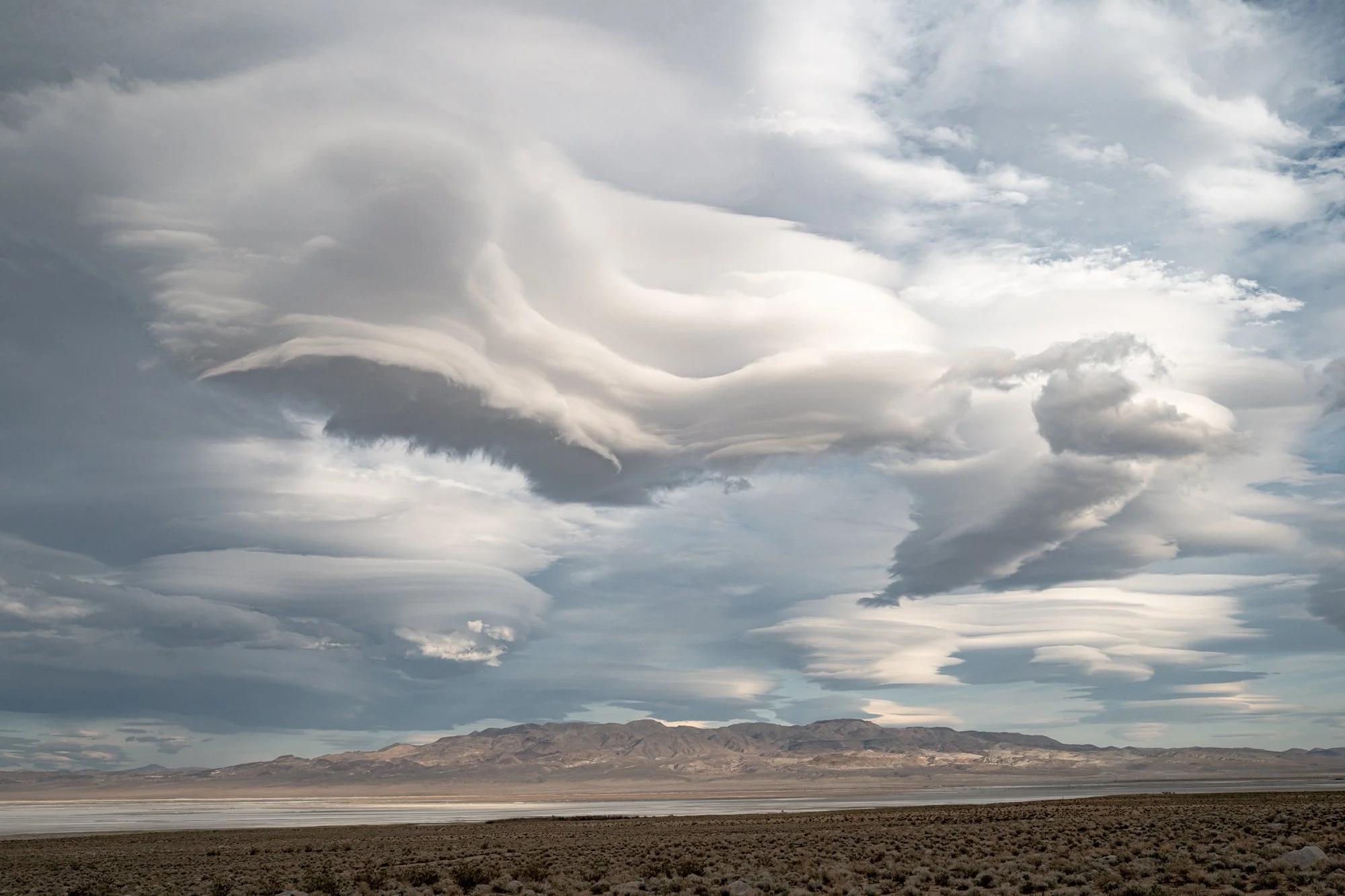
Clouds gather and stretch across the basin, moving slowly over an open and unchanged landscape.

American Road Trip

Road Trip Photography - America - Open Road

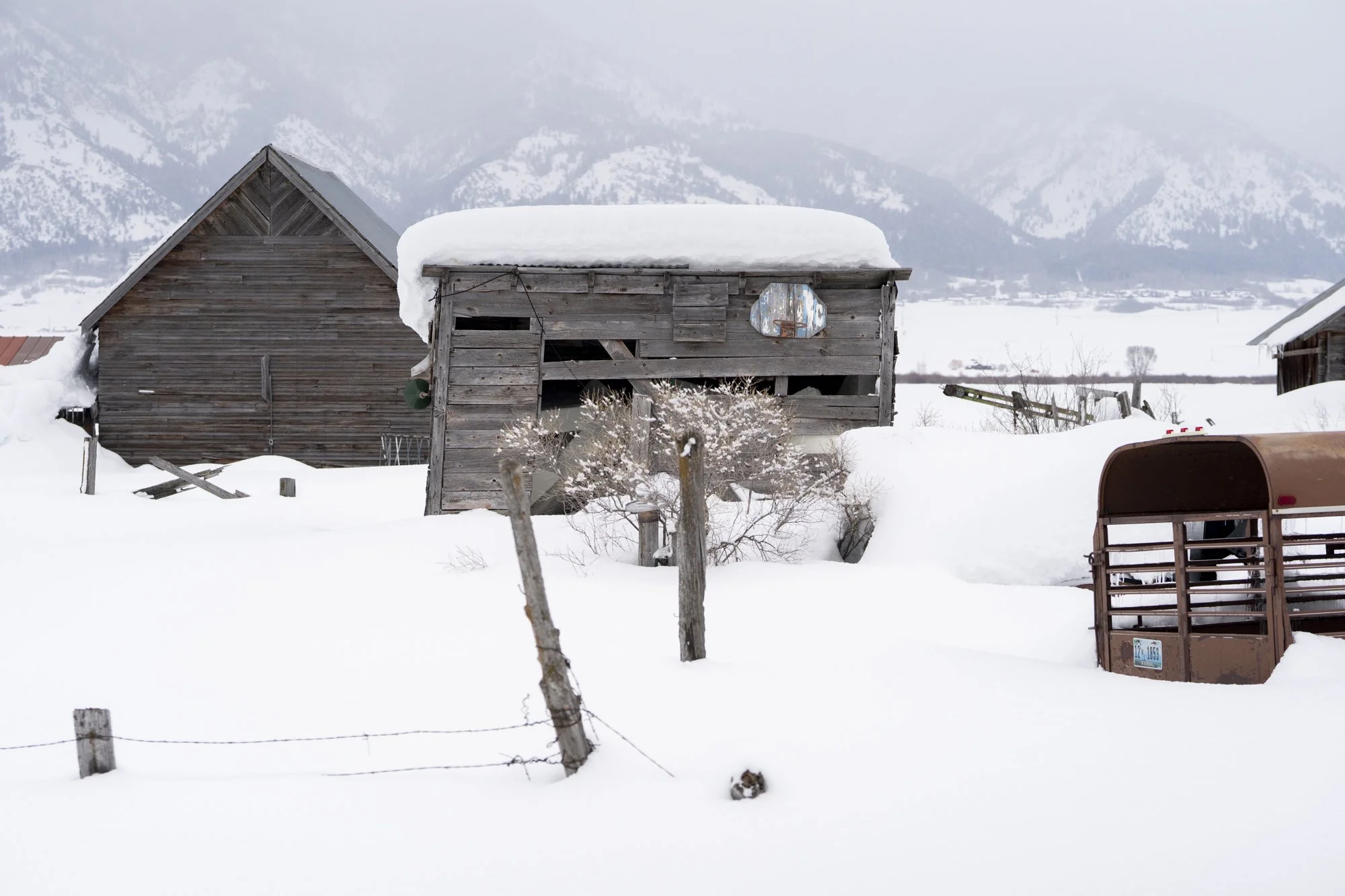
Winter is such a special time in the West. Especially if you’re lucky enough to be in it when a massive snowstorm hits. Such was the case this past week in Wyoming where the snow never seemed to stop. I drove up there to do some shooting and for a backcountry snowboarding hut trip in the Tetons. Jackson Hole and the surrounding area never disappoint in the snow category. Snowboarding is my “selfish time”, meaning I generally put the camera away and just ride, so there are no images of powder to share. However, the image below made in Afton, Wyoming is a great example of the odd things you see while on the road that are only made possible by the hand of mother nature.

Winter in Afton, Wyoming

Roadside Photography in America — Small Towns, Quiet Roads & Stillness

Roadside Photography Across the USA: Small Towns, Country Roads & Quiet Places

This body of roadside photography from across the United States focuses on small towns, country roads, and the overlooked spaces between destinations. Made while traveling secondary highways through places like Iowa, Utah, Nevada, Virginia, and California, these photographs slow down the idea of the American road trip and shift attention away from landmarks toward quieter moments. The work comes from a long-term project that eventually became my book, Roadside Meditations—a photographic exploration of stillness, distance, and the visual language of everyday America.

Photographing America Beyond the Interstate

Much of American road trip imagery centers on motion—crossing state lines, reaching destinations, ticking off places on a map. This work was made by doing the opposite. Instead of interstates and major routes, I spent years driving back roads, county highways, and rural connectors where towns thin out and time feels less compressed.

These roadside photographs aren’t about where you’re going. They’re about where you pause. A quiet diner at dusk. A sun-bleached sign. An empty stretch of road that doesn’t ask for attention but rewards it if you stop. This approach allows the landscape to reveal itself slowly, without narrative pressure or spectacle.

Small-Town America and the In-Between Places

The photographs in this series were made in places most travelers pass without stopping—small towns, agricultural regions, and rural outskirts where commercial life has softened or shifted over time. These in-between places are rarely presented as destinations, yet they form the connective tissue of the American landscape.

By photographing these locations without dramatization, the images lean into quiet observation. The goal isn’t nostalgia or critique, but presence. These towns and roads exist as they are—weathered, functional, sometimes fading—holding layers of American life that often go undocumented in contemporary photography.

A Slow, Observational Approach to Roadside Photography

The photographs in this post were made over many years, often while driving alone, without a fixed itinerary. Working slowly is central to the process. I look for moments when light, geometry, and stillness align—scenes that feel complete without intervention.

There are no staged elements and no attempt to “improve” what’s already there. The camera becomes a tool for noticing rather than arranging. This method allows the work to remain open-ended, inviting viewers to bring their own experiences and memories into the frame.

From Long-Term Project to Roadside Meditations

Select images from this body of work eventually became the book Roadside Meditations, a collection shaped by years of sustained attention to the American roadside. The book brings these photographs together as a single visual conversation—one that reflects on travel, stillness, and the quiet spaces that exist alongside movement.

Rather than documenting a single journey, the book and this ongoing series reflect an accumulation of time on the road. Each image stands on its own, but together they form a broader meditation on how America looks when you stop trying to get somewhere.

This post represents one thread within a larger, ongoing exploration of the American landscape. For those interested in seeing the work as a whole, Roadside Meditations gathers these photographs into a single volume focused on overlooked places, visual quiet, and the spaces we usually pass by.

View the book

View the American Road Trip photography gallery

Sunset on a country road in Iowa

Sunset on a country road in rural Iowa

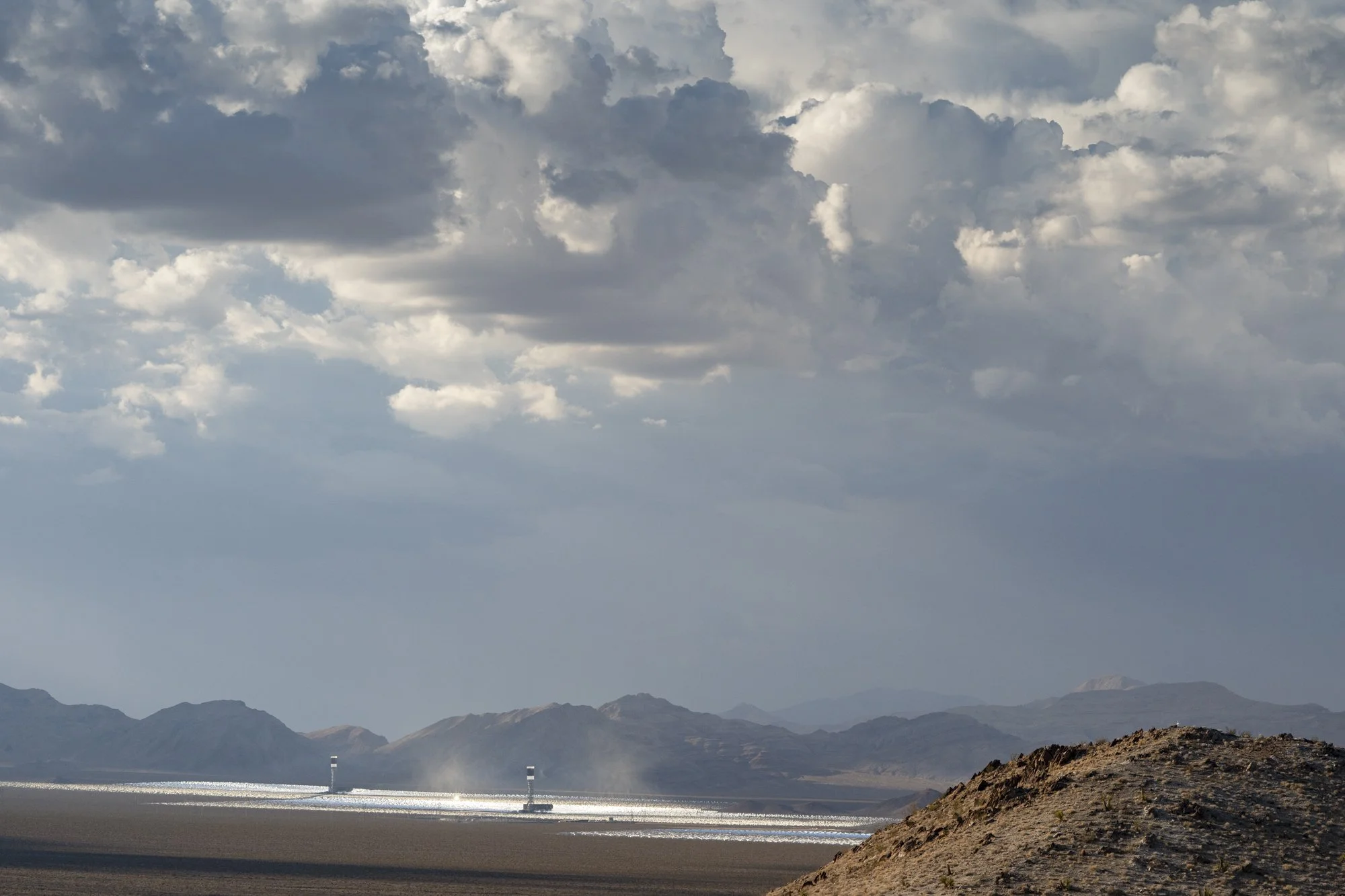
Ivanpah Solar Electric Generating System

Ivanpah Solar Electric Generating System

Fine art photograph of a Virginia forest

An abstract view of dense forest in Virginia

Abstract fine art photography

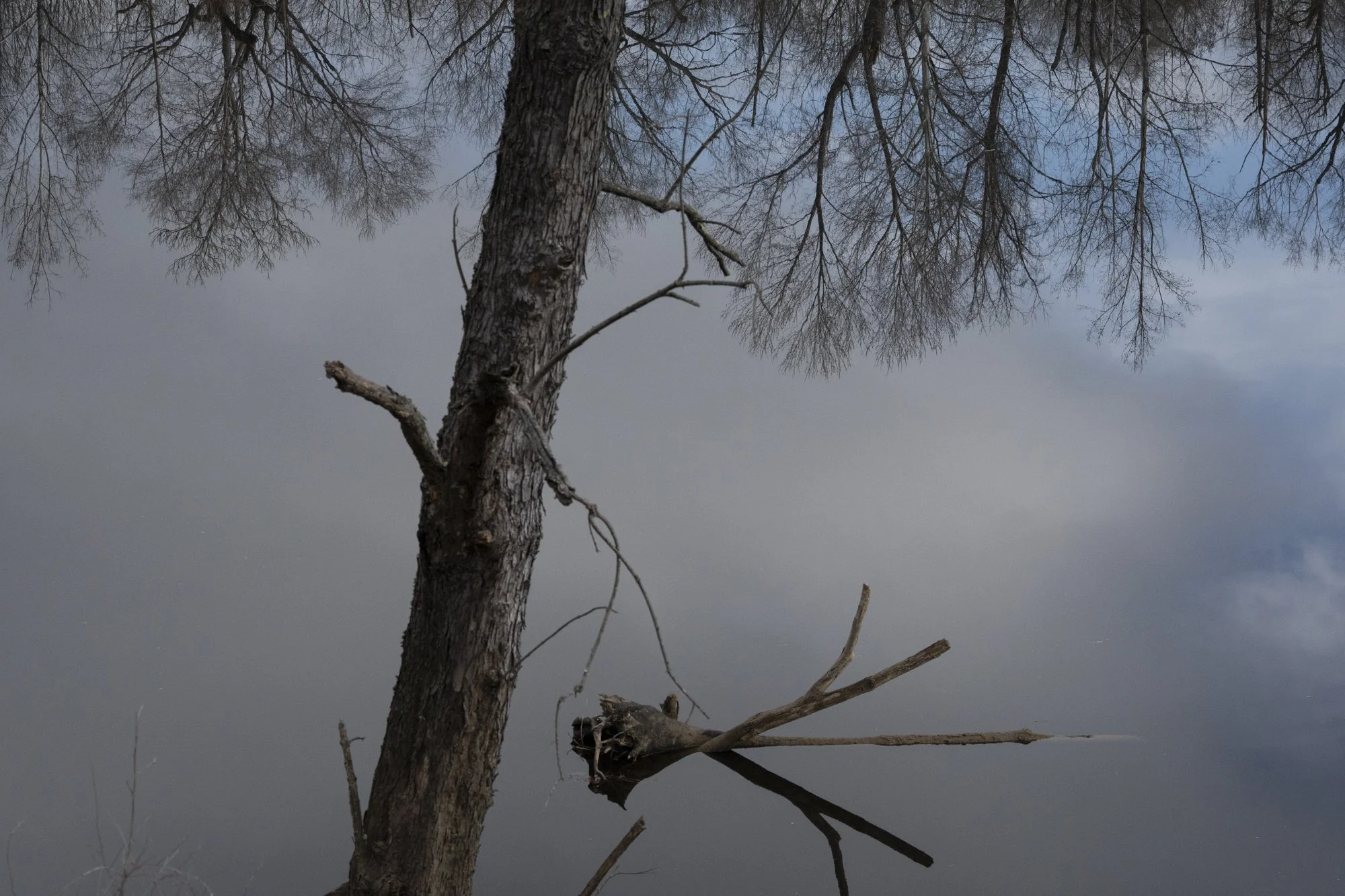
Reflections of trees in a Virginia river

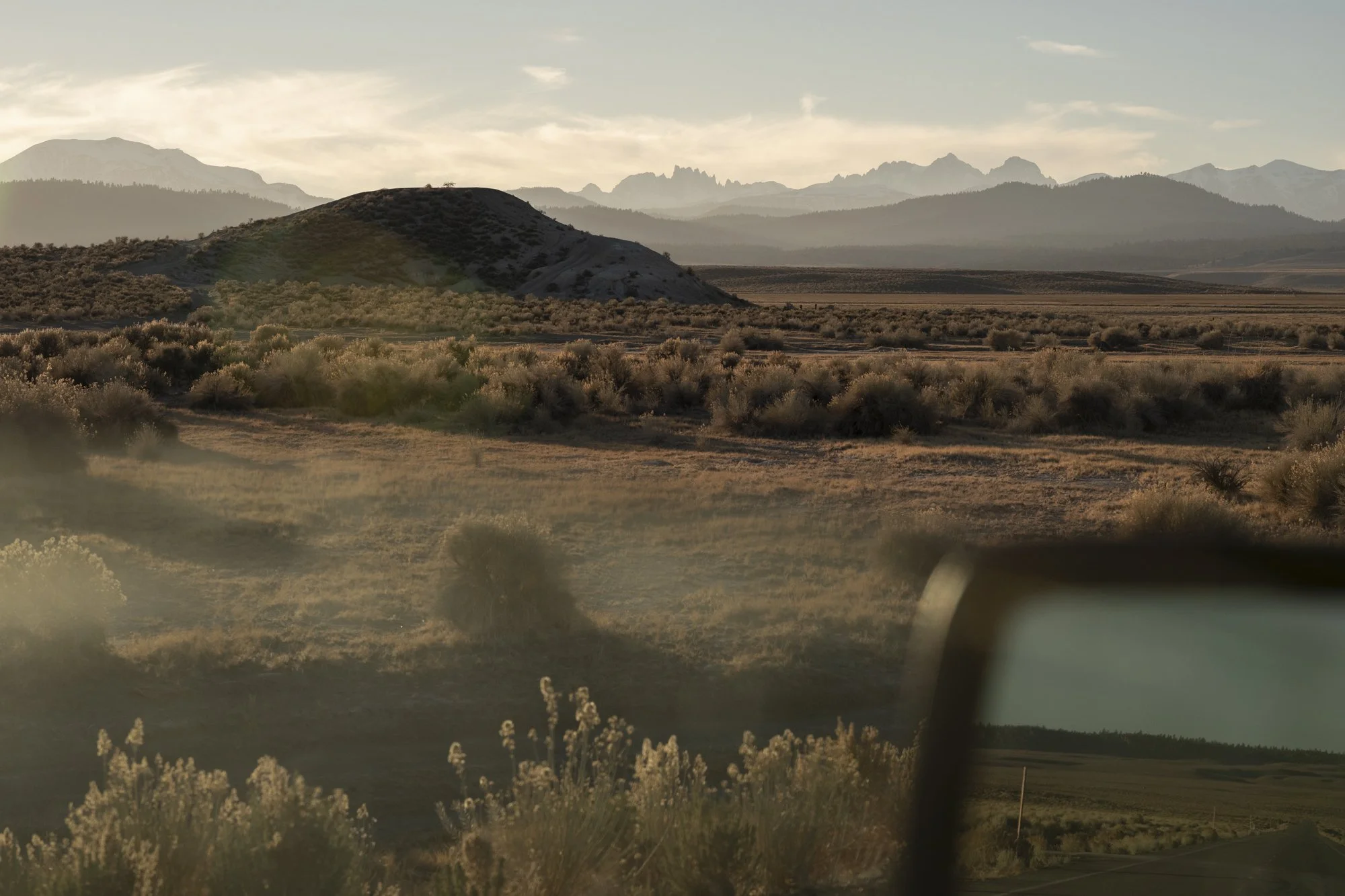
Driving through the Eastern Sierra Mountains near Mammoth, California at sunset

Eastern Sierra - California

Abstract fine art nature photography

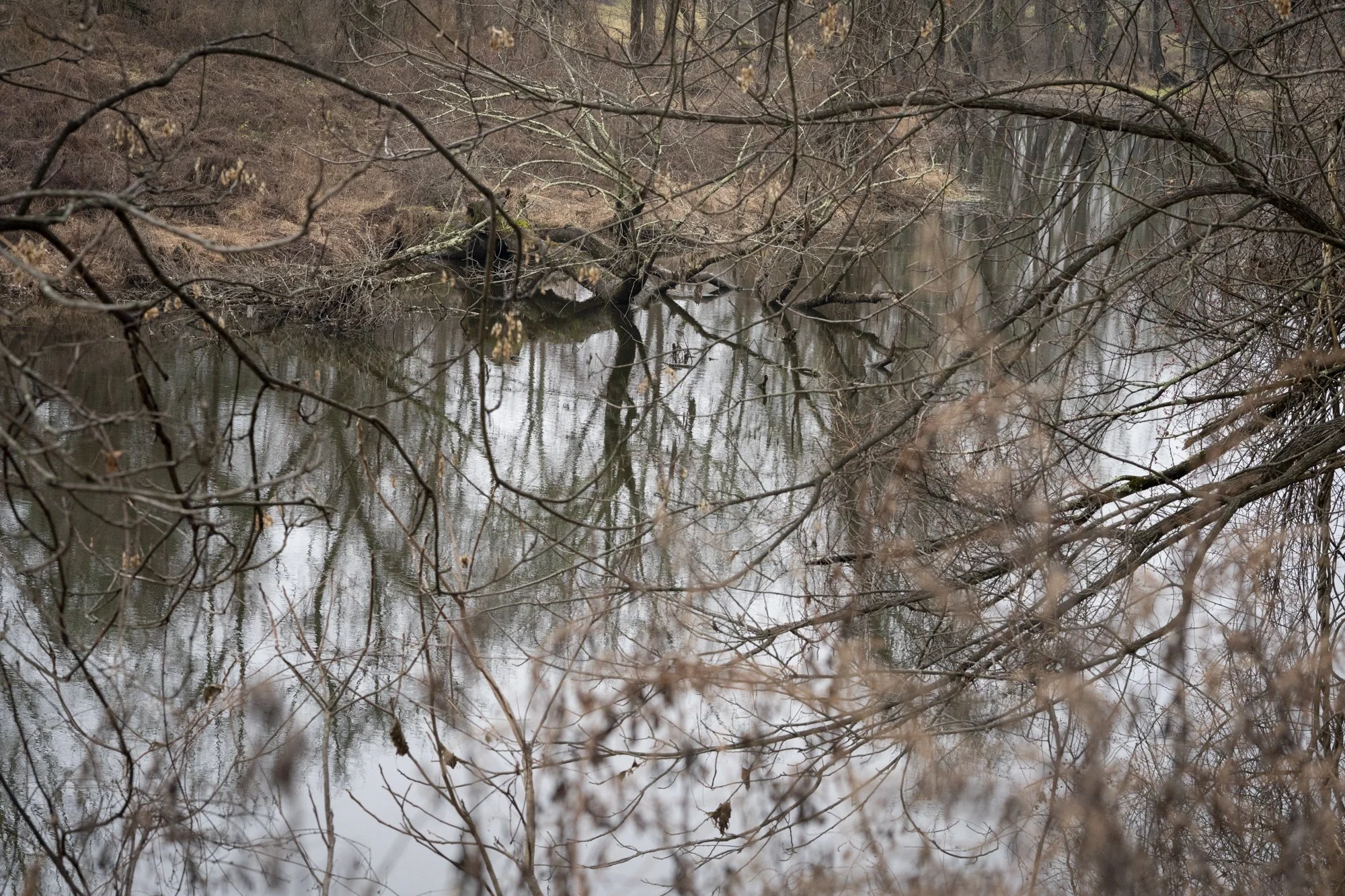
Reflections of trees and foliage in a still river in Upstate New York

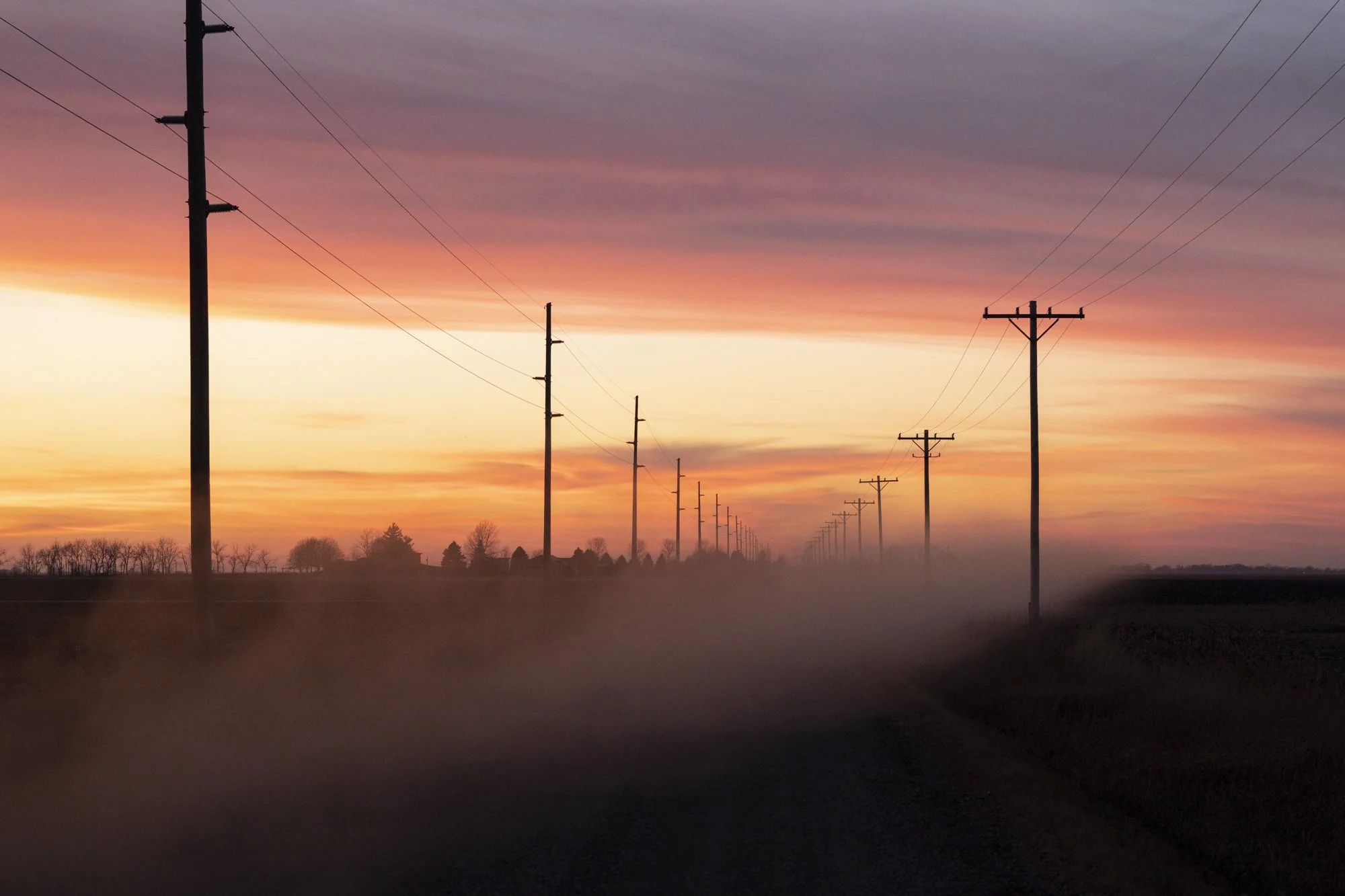
Roadside photograph of a country road through farmland in rural Iowa at sunrise

A car kicks up dust on a country road through harvested farmland in rural Iowa, photographed in early morning light.

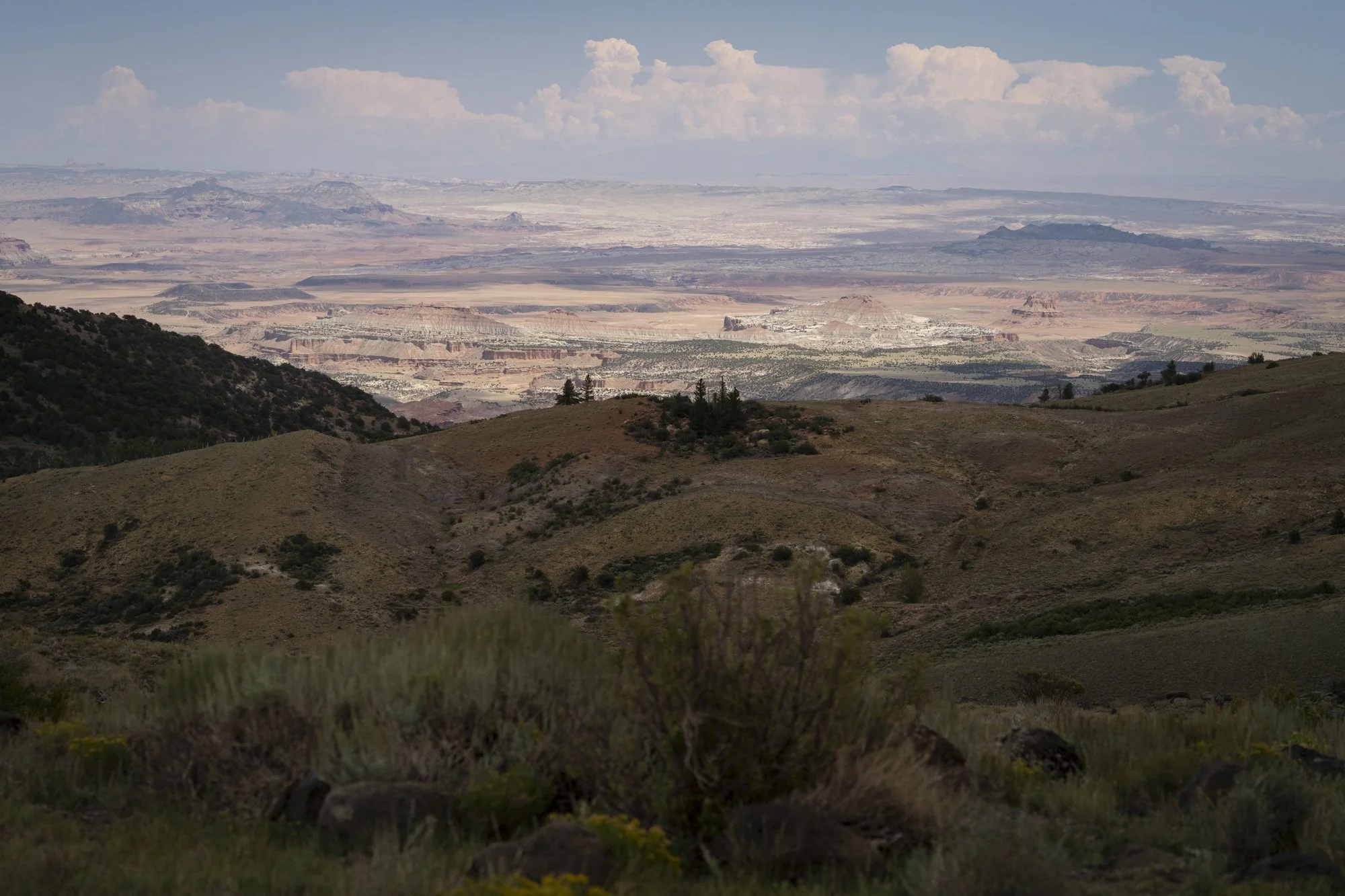
Fine art photograph of a massive desert landscape in Utah

The alien landscape in a remote part of Utah

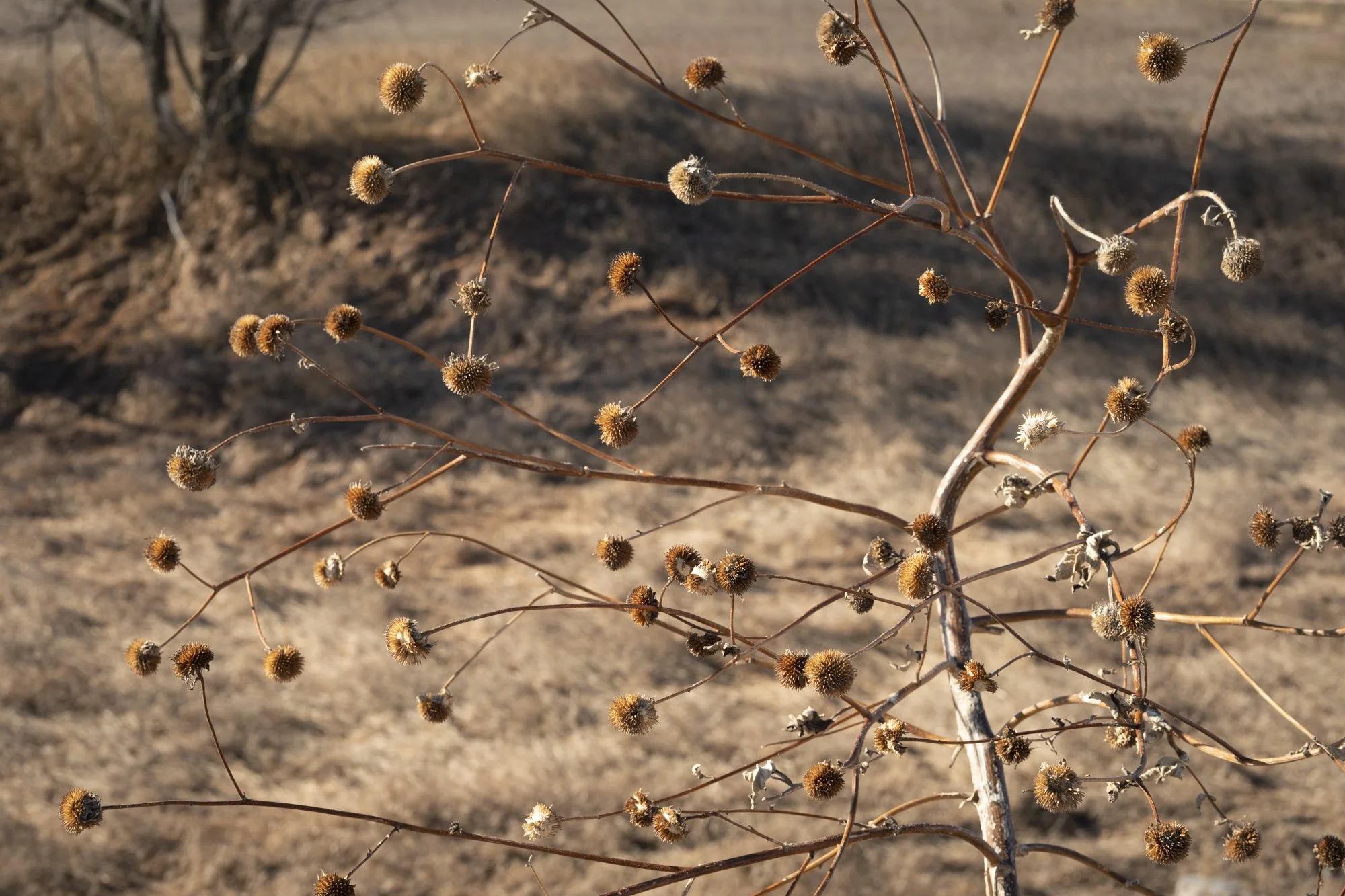
Abstract fine art photography of plants in Iowa farmland

Muted colors of dead plants during winter in Iowa farmland

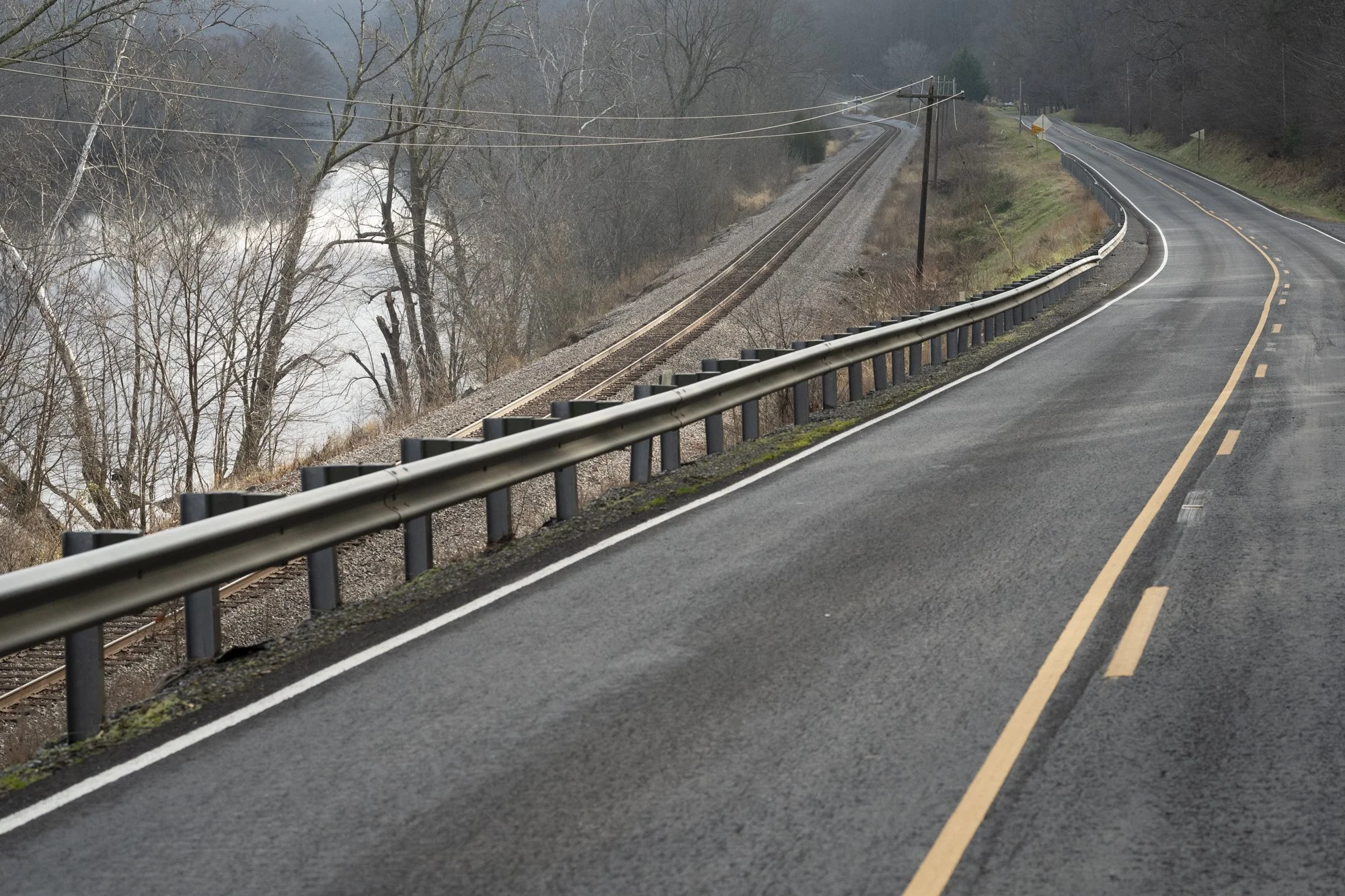
Photograph of a country road and train tracks along a river in Virginia

A country road and train tracks running along a river in rural Virginia

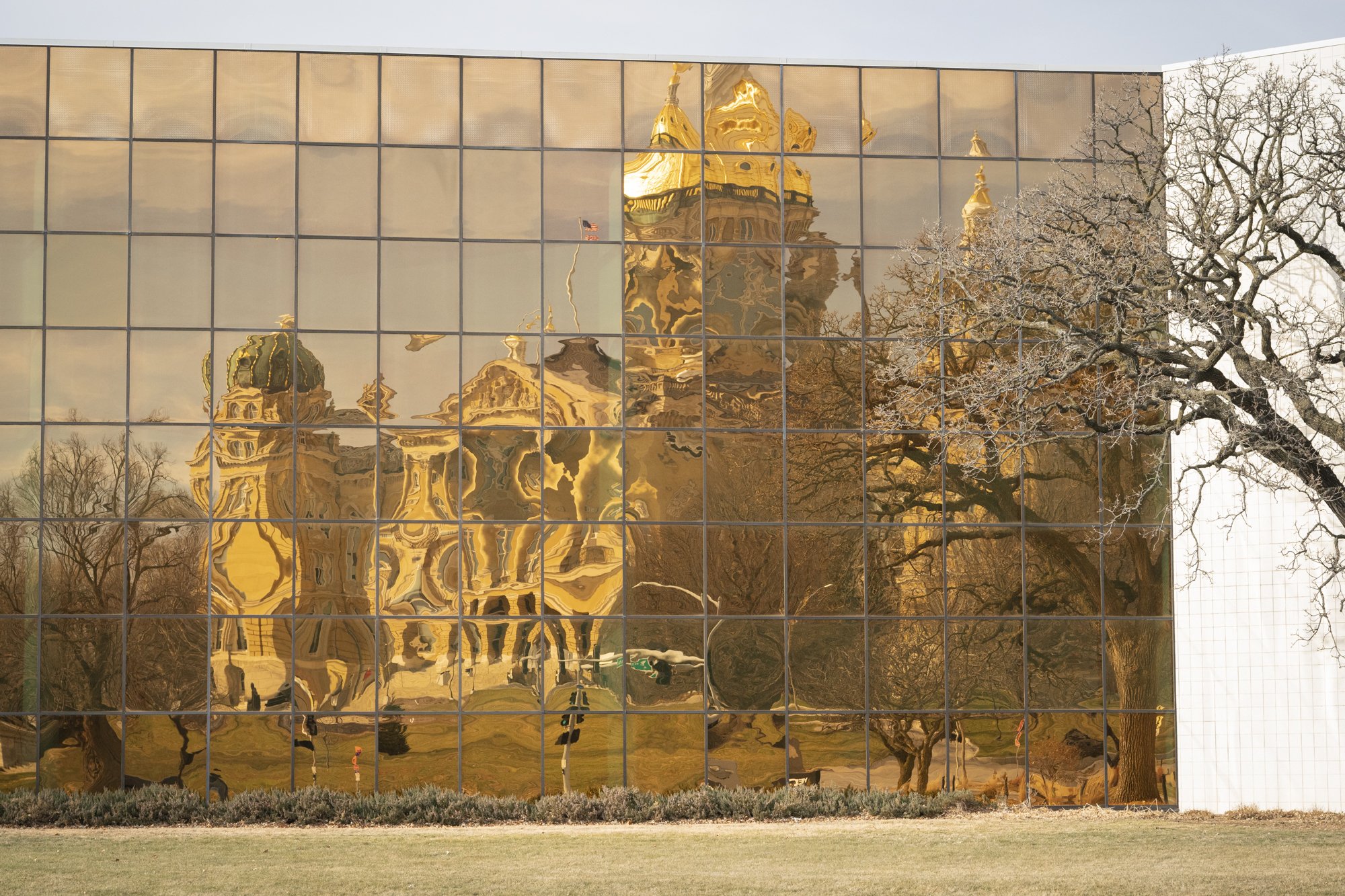
Fine art photograph of the capitol building in Des Moines, Iowa

The Des Moines, Iowa capitol building reflected in windows of a nearby office building

Sunset on train tracks going through farmland in southern iowa

Train tracks going through Iowa farmland at sunset

American Photography

Photographing America - The Open Road

Road Trip Photography Prints - Americana

A new batch of American photographs from the last couple road trips around the country. This series has gotten increasingly overwhelming from an archive perspective. It’s probably the largest series to date, but also the one I’ve done the least with. And by “least”, I mean nothing. So to look at it as a whole feels like a monumental tasks to make sense of for a book or any other publication. Guess it’s time to turn things over to a professional??!!

Click here to see more of the America series.

Contact me directly to order fine art prints for your home, office, or commercial space - rob@robhammerphotography.com

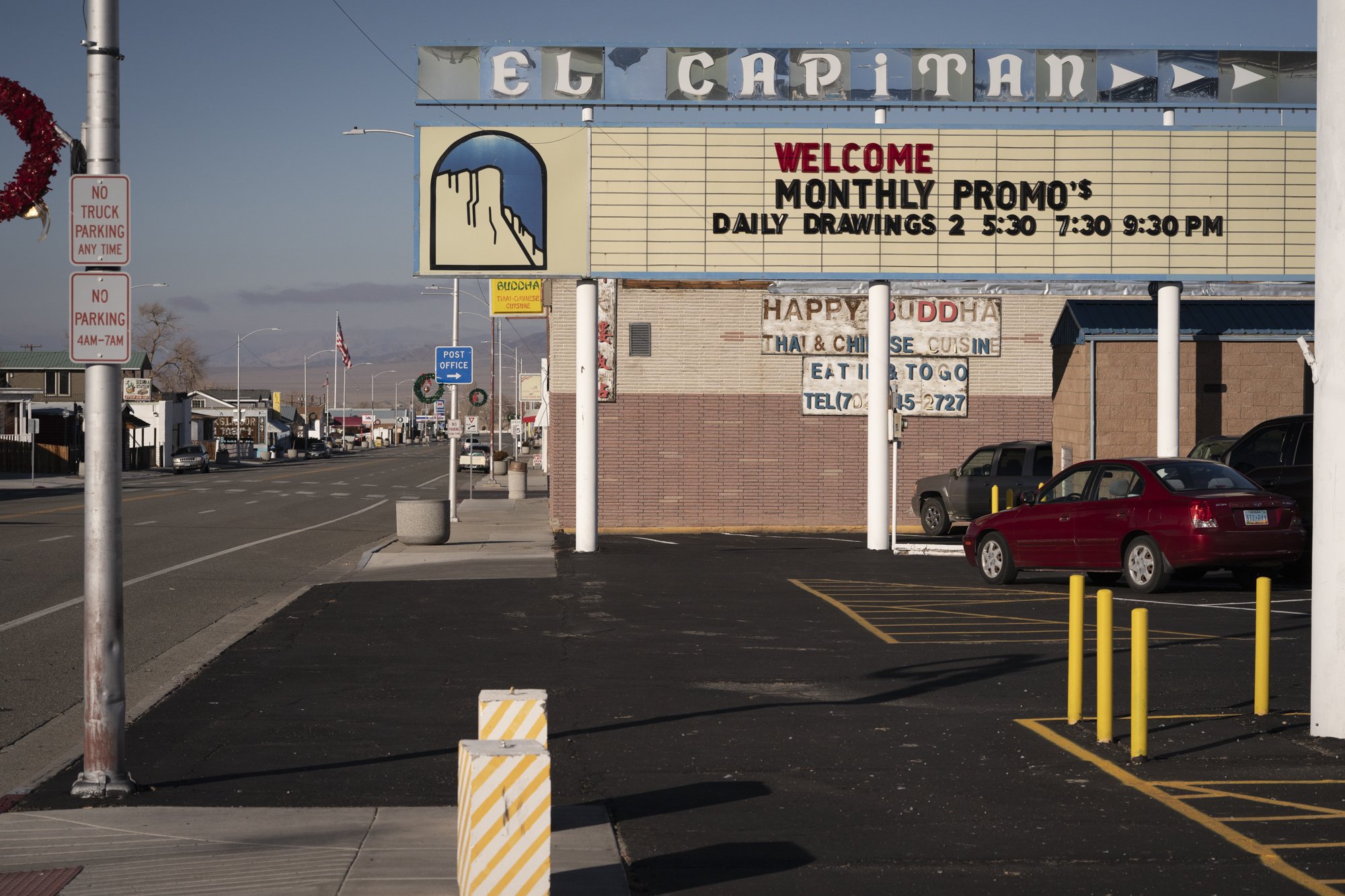
El Capitan Casino in Hawthorne, Nevada - Photo

Hawthorne, Nevada

Photo of the Honolulu Club bar in Yucca, Arizona - vintage sign.

Honolulu Club - Yucca, Arizona

McDonald's billboard and other signs in the desert landscape outside Tuba City, Arizona - Photo

Tuba City, Arizona

A small town graveyard with wind turbines in the background in southern Iowa

Southern Iowa

A Little League baseball field in the small farm town of Griswold, Iowa

Griswold, Iowa

Photo of a broken down truck in front of a factory in Big Island, Virginia

Big Island, Virginia

A baseball field in front of farm silos in Mountain Home, Idaho - Photo - Rob Hammer

Mountain Home, Idaho

Hillsboro, Ohio

Hillsboro, Illinois

Photo of a palm tree, power lines, and clouds in the California desert

California Desert

Vintage Whiting Bros sign in the small town of Yucca, Arizona

Whiting Bros - Yucca, Arizona

Photo of an old theater in Hawthorne, Nevada

Old movie theater - Hawthorne, Nevada

The Lovelock Speedway in Lovelock, Nevada - Photo

Lovelock Speedway - Lovelock, Nevada

Interior of an old shoe shop in Texarkana, Texas - photo

Shoe shop - Texarkana

An empty pool in a small town neighborhood near Griswold, Iowa

Griswold, Iowa

Serenity in the Marsh: Stunning Duck Blind Views that Connect Hunters to Nature

Capture the Beauty of Duck Hunting: Photography of Tranquil Marsh Views from the Duck Blind

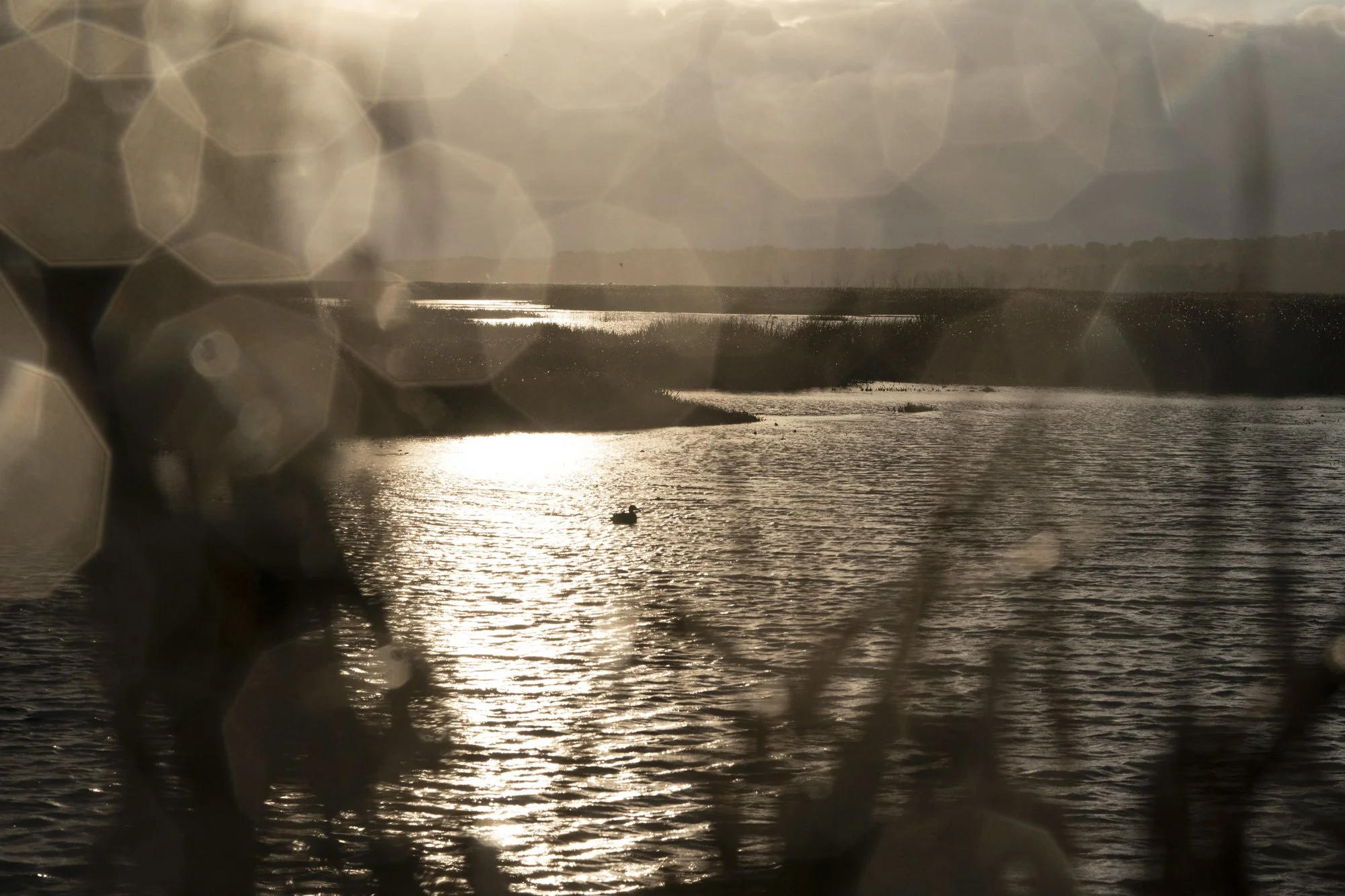
The stillness of the marsh at dawn is unlike any other—where the world feels suspended in time, and the only sounds are the subtle movements of nature. From a duck blind, hunters are immersed in a breathtaking view that connects them deeply to the environment. These photographs showcase the serene beauty of those moments—the quiet reflection of the marsh in the water, the mist rising off the reeds, and the vast openness of the landscape.

As a duck hunting photographer, my goal is to capture not just the action, but the peaceful relationship between hunter and environment. These stunning images reflect the calm before the hunt, allowing companies in the duck hunting industry to showcase their gear in the most authentic and serene setting. Whether it’s a perfectly placed blind, a well-crafted decoy, or the right camouflage apparel, these photographs offer a powerful narrative about the connection between the gear and the natural world.

For hunting gear companies, these images are an opportunity to highlight products that enhance the experience of duck hunting, providing a visual representation of both functionality and the serene beauty of the marsh. This collection of photographs not only invites viewers to appreciate the tranquility of the environment but also serves as a testament to the role that quality hunting gear plays in a hunter’s success and enjoyment.

Click here to see more of my duck hunting photography

San Diego Botanical Gardens

Lightscape - San Diego Botanical Gardens

Christmas Light Show - Photography

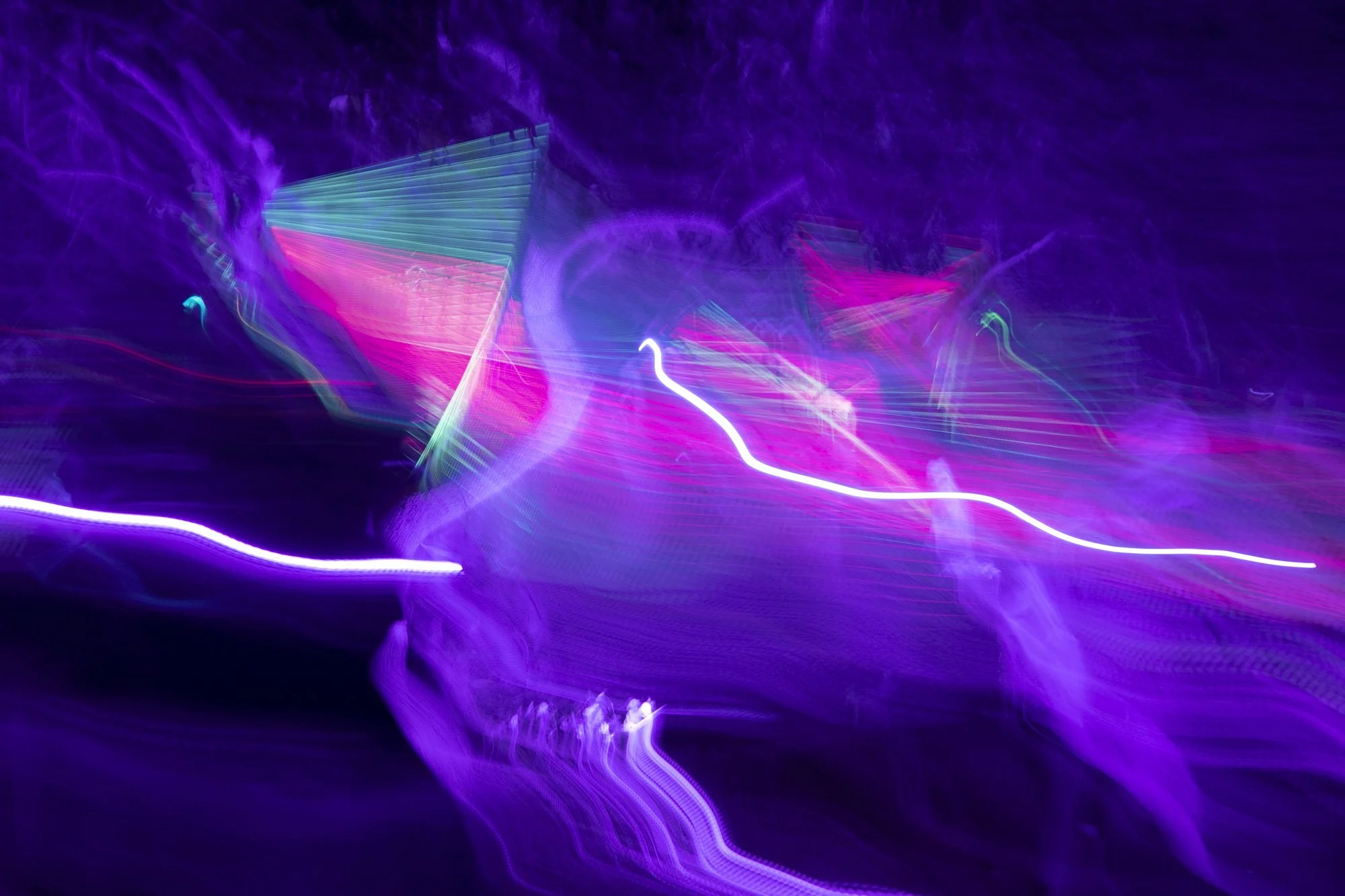
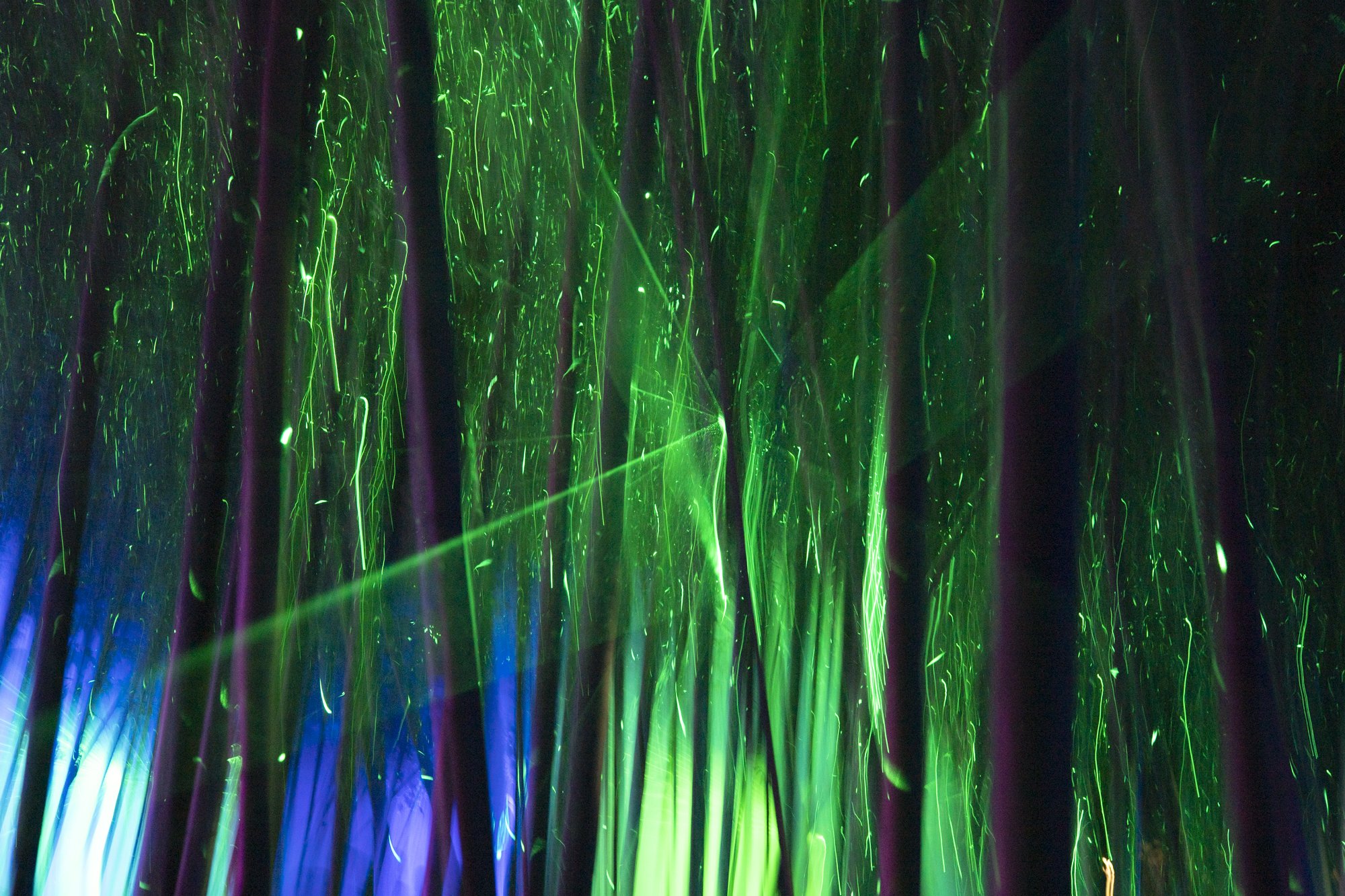
The last few weeks haven’t seen much action with the camera, unfortunately. Instead the days have been filled with end of the year business nonsense that I don’t enjoy. Going for any amount of time without making images causes a bit of uneasiness, so I brought the camera for a walk through Lightscapes at the San Diego Botanical Gardens, and played around with some hand held long exposures. It confused a number of workers that we would actually walk to the event, instead of driving.

Lightscapes - San Diego Botanical Gardens
Holiday Light Show - San Diego, California
Lightscape - San Diego Botanical Gardens - Encinitas - Photos
Christmas Light Show - San Diego
Long exposure abstract light trail photographs
Lightscape - San Diego Botanical Gardens - Encinitas - Photos

Basketball Wall Art For Modern Interiors

Basketball Wall Art Ideas for Modern Interiors

Basketball doesn’t just belong in arenas. It shows up in driveways, alleyways, deserts, and small towns—places where the game exists without an audience. As wall art, these scenes bring a sense of quiet, structure, and familiarity into a space.

For those looking to add basketball wall art to their home or office, the question isn’t just what to hang—but what kind of image holds attention over time.

Why Basketball Works as Wall Art

At its simplest, basketball is a set of recognizable forms—a rim, a backboard, a painted line. When photographed outside of a stadium, those elements become graphic and minimal.

A single hoop against an open sky. A backboard weathered by years of use. A court fading into the landscape.

These images tend to work well as wall art because they balance:

  • strong, simple composition

  • texture and age

  • a subject that feels familiar without being overly specific

They don’t rely on action or players. Instead, they create space—something that holds attention without overwhelming it.

Different Styles of Basketball Wall Art

Not all basketball imagery feels the same in a room. The setting and composition shift the tone entirely.

Minimal / Isolated Hoops
A lone hoop in an open environment creates a clean, understated presence. These pieces often work best in modern interiors.

Urban Courts and Alleyways
Layers of texture—walls, pavement, fencing—bring more density and detail. These images tend to feel more grounded and architectural.

Rural and Landscape-Driven Scenes
Hoops set against fields, mountains, or desert environments introduce scale and atmosphere. These often read as quieter, more contemplative pieces.

Graphic Light and Shadow
Reflections, silhouettes, and strong contrast push the work toward abstraction, where the subject becomes more about shape than place.

Basketball Photography as Fine Art

For over 15 years, this project has focused on basketball hoops found far from stadiums—mounted to barns, garages, telephone poles, and fading backboards in rural towns.

The photographs are not staged. Each one is discovered, observed, and documented as it exists. Together, they form a visual record of basketball as a constant presence in American life, regardless of location or scale.

This ongoing series has been featured in galleries, museums, on NBA TV, in iconic magazines like SLAM, ESPN, and Sports Illustrated, and international fine art books on basketball, reflecting the broader cultural significance of the work.

View The Full Project

Where to Find Basketball Wall Art Prints

For those looking to bring this work into their own space, a selection of photographs from the series is available as fine art prints.

View Basketball Wall Art Prints

For Collectors, Designers, and Licensing

These basketball hoop photographs are also available for editorial and commercial licensing. The work has been used by brands, publications, and media outlets looking for an authentic representation of basketball culture beyond the professional game.

For inquiries regarding larger installations, hospitality projects, or licensing, please get in touch - rob@robhammerphotography.com

Basketball photography print on the wall of a beautiful home

Basketball hoop wall art for residential design

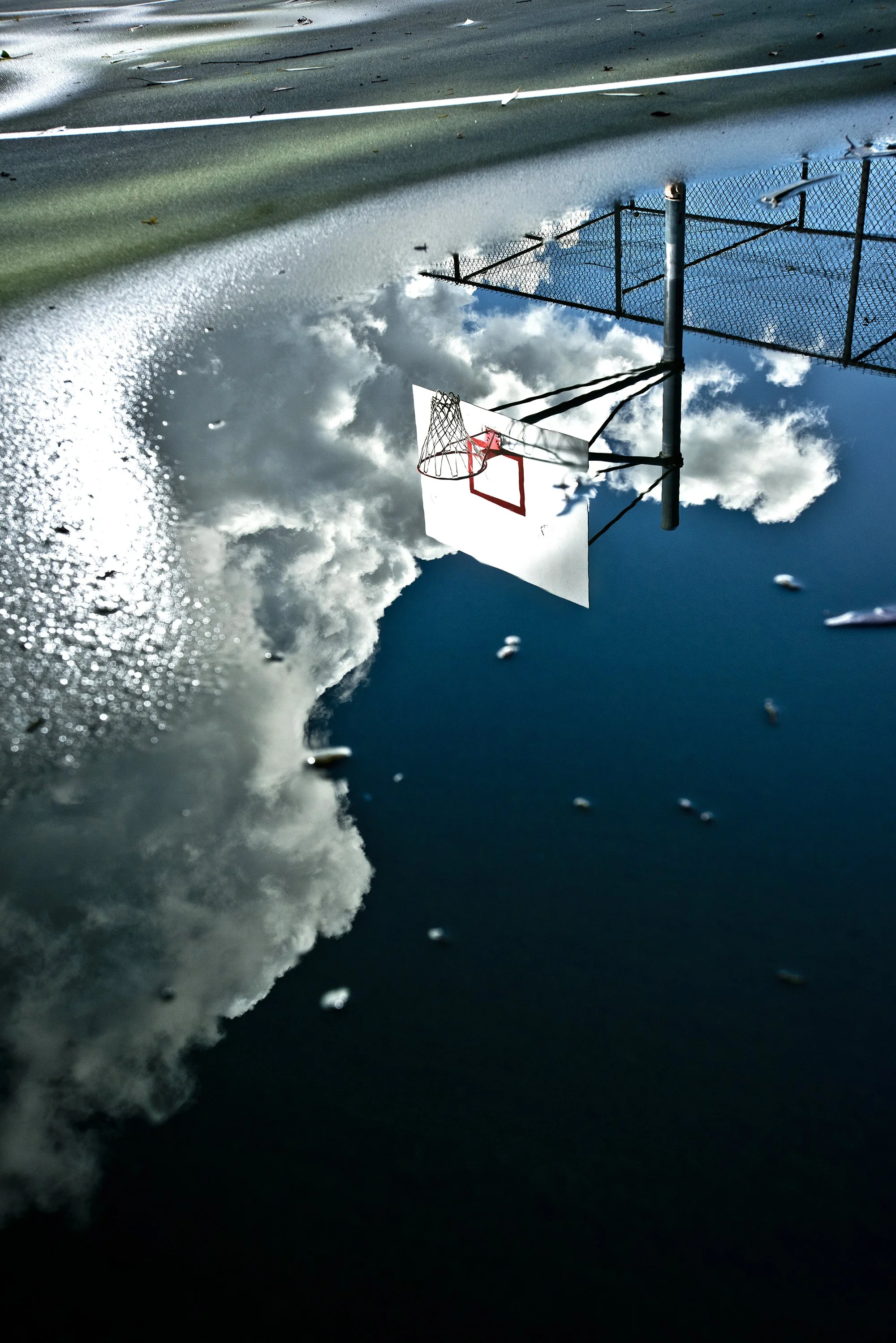
basketball hoop reflected in water puddle on outdoor court fine art print

A basketball hoop reflected in a puddle on an outdoor court, creating a surreal, inverted scene. Available as a fine art basketball photography print for modern interiors and collectors.

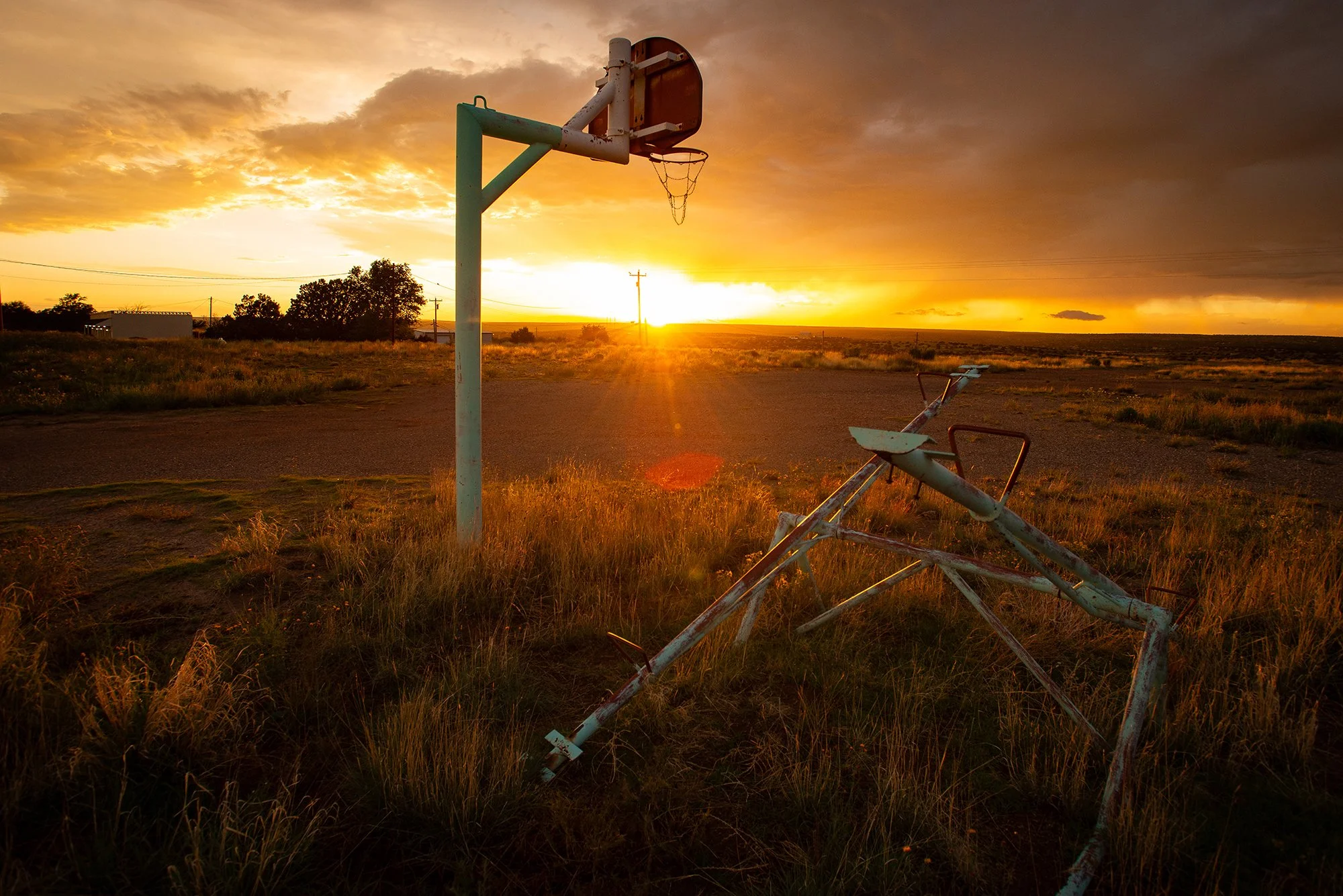
basketball hoop at sunset in rural landscape fine art photography print

A weathered basketball hoop standing against a dramatic sunset in rural America, captured as part of the American Backcourts series. Available as a fine art basketball wall art print for collectors and modern interiors.

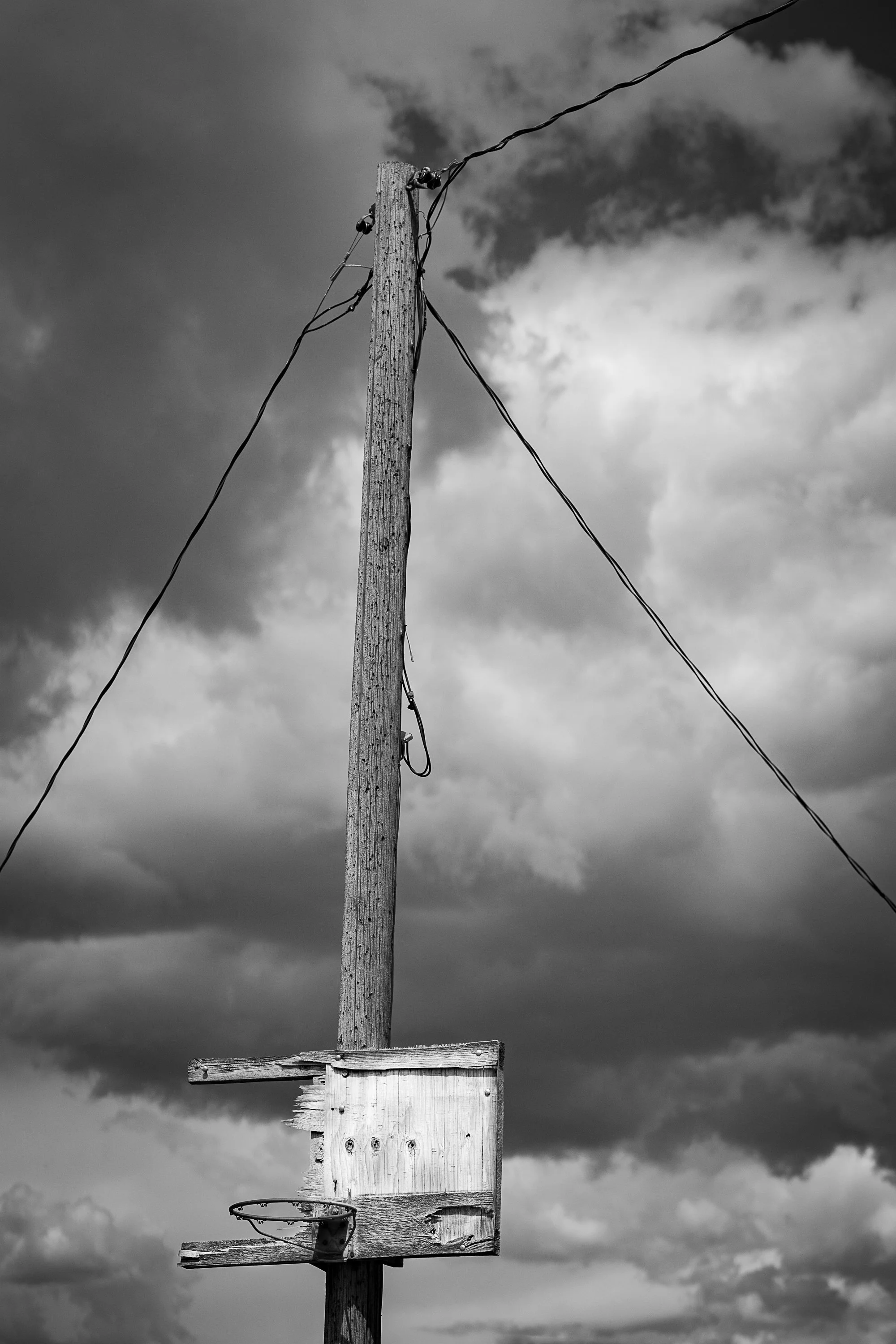
black and white photo of weathered wooden basketball hoop on pole under cloudy sky

A weathered wooden basketball hoop mounted to a utility pole, photographed in rural America as part of a long-term series documenting the overlooked places where the game is played.

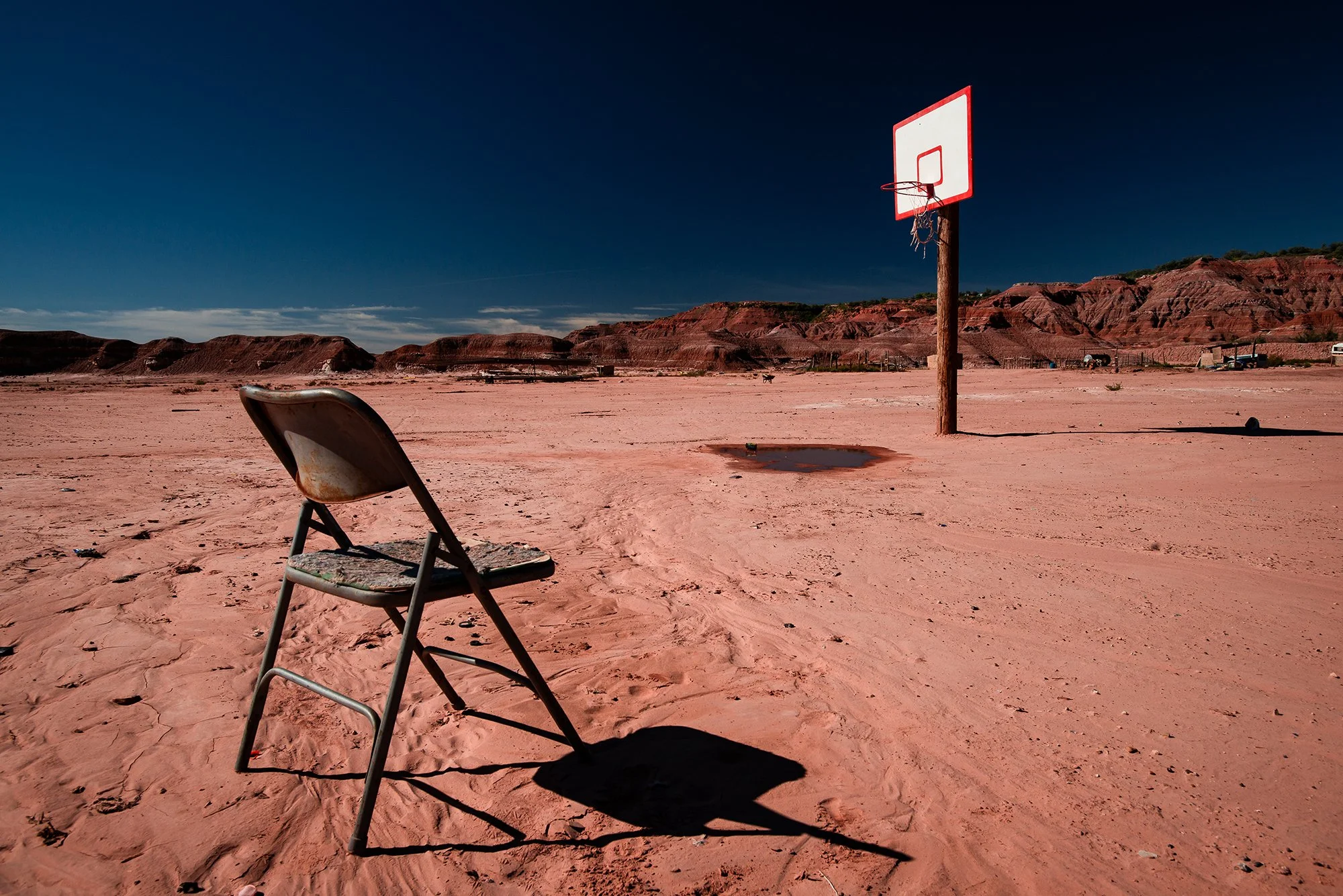
basketball hoop in desert landscape with chair fine art photography print

A solitary chair facing a basketball hoop in a remote desert landscape, part of the American Backcourts series. Available as a fine art basketball wall art print.

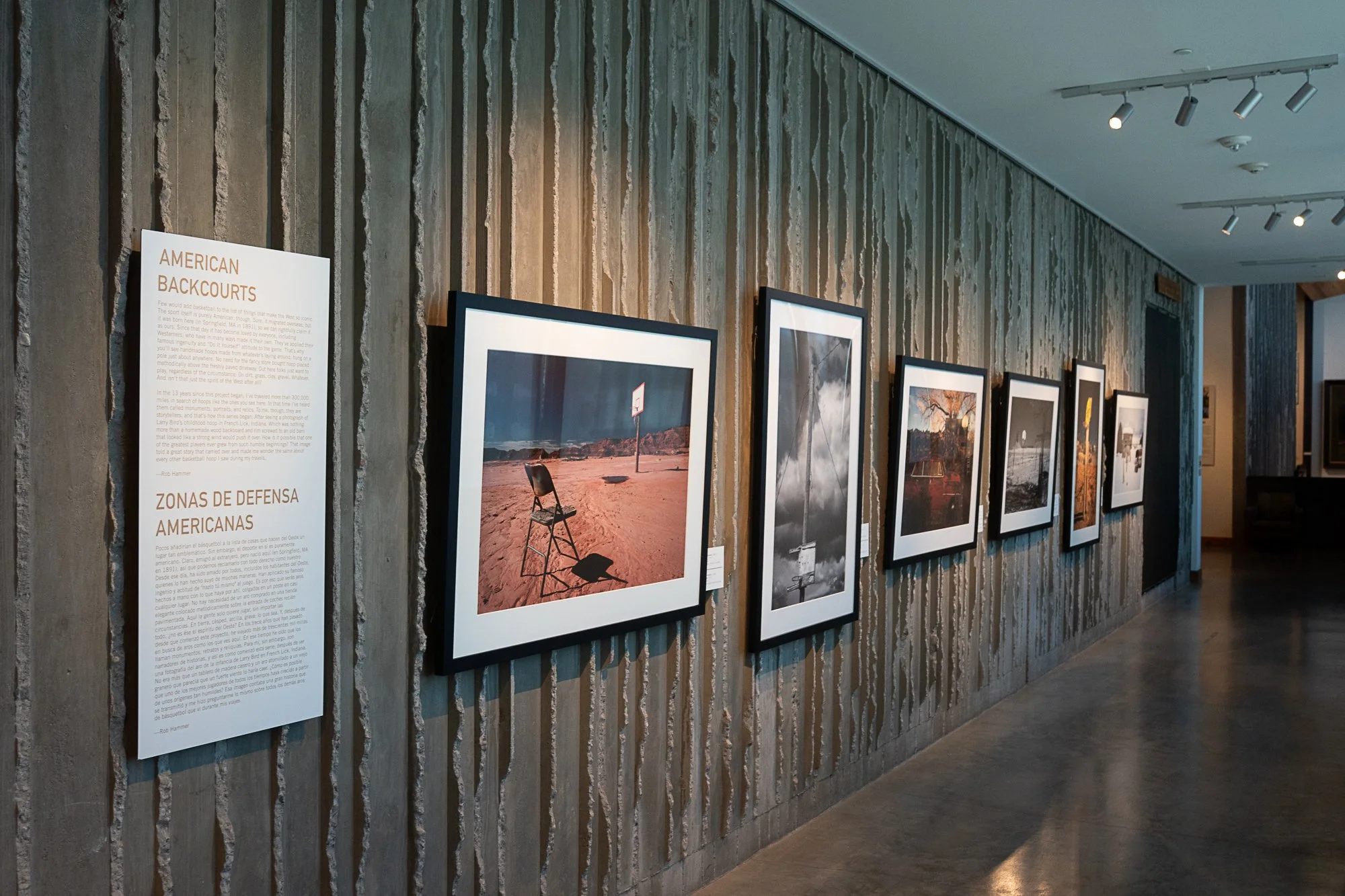
Basketball hoop photography prints displayed in gallery exhibition from the American Backcourts series

Installation view from the American Backcourts series, a long-term project documenting basketball hoops across the United States, exhibited in gallery settings and featured in publications including SLAM and NBA TV.

Kansas City Basketball

Basketball Hoop Photography - Prints

Story Behind The Image

Of my many vices, BBQ is damn near the top of the list. Food in general is a big part of my life, but great BBQ is an especially large weakness. Many years ago while driving cross country, I stopped in Kansas City for some of their famous meat, and almost immediately complained to friends about the quality of that particular establishment. One of them recommended Arthur Bryant’s on Brooklyn Avenue. Ever since that trip AB’s has been a must stop anytime I’m within a couple hundred miles. They don’t miss. You know walking in there that they are going to take care of you. The place just feels right. Like walking into Madison Square Garden, you can feel the history. What the hell does this have to do with basketball? Nothing really, but if you’ve ever had a proper plate of BBQ, then you know the only thing that follows is immense satisfaction followed by meat sweats and a nap. So the ritual goes that I eat too much food, sparing the napkin full of scraps that are saved for Mojo who is (was) always waiting in the truck, drool already hanging several inches from his mouth. Poor bastard had to sit there while the smell of burnt ends and pulled pork wafts steadily in the window. After his treat we go for a long walk which turned into the same familiar route over the years. One of the regular sites is an abandoned school that I’ve made some mediocre images of. Viewing it from the outside always led to daydreaming of what the  gym inside looked like. As luck would have it, while walking by one year the plywood on a ground floor window was ripped off and the metal grate had been ripped open. That’s an invitation, right? Of course it is. Anyone that takes if for anything less is a fool. So I hopped in the window with a tripod, camera bag, and a headlamp. Kansas City summers are hot to say the least. Inside a sealed off brick building is something else altogether. It felt like you could chew on the air in there. Walking into the gym didn’t even seem real. My jaw must have drooped right to the floor. Couldn’t believe what a gift I was handed.  The whole room was all but gutted, yet the backboard still stood. I could have been happy in there for days. Still though it wasn’t a place to be for long. There were obviously people squatting and I didn’t have much interest in them knowing I was there. So after waiting waiting waiting for my lens to defog, a few frames were made, and I hit the road without any interactions between the squatters or the police. Moral of the story is eat more BBQ. 

If you’re a photography collector looking for basketball wall art, please contact me directly. All of my basketball hoop photography is available as fine art prints - rob@robhammerphotography

American Photography

Photographing America - Road Trip - USA - Travel

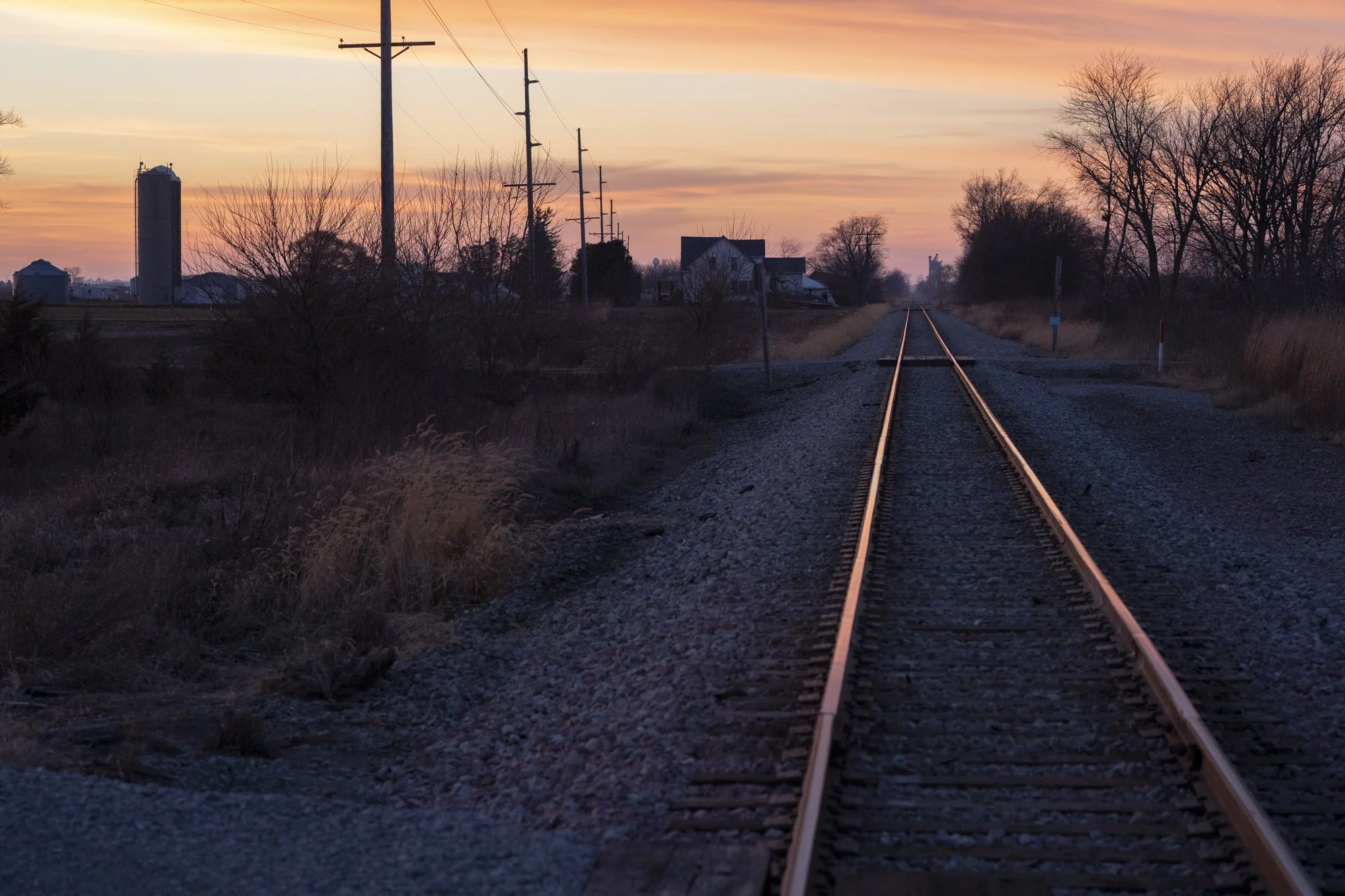
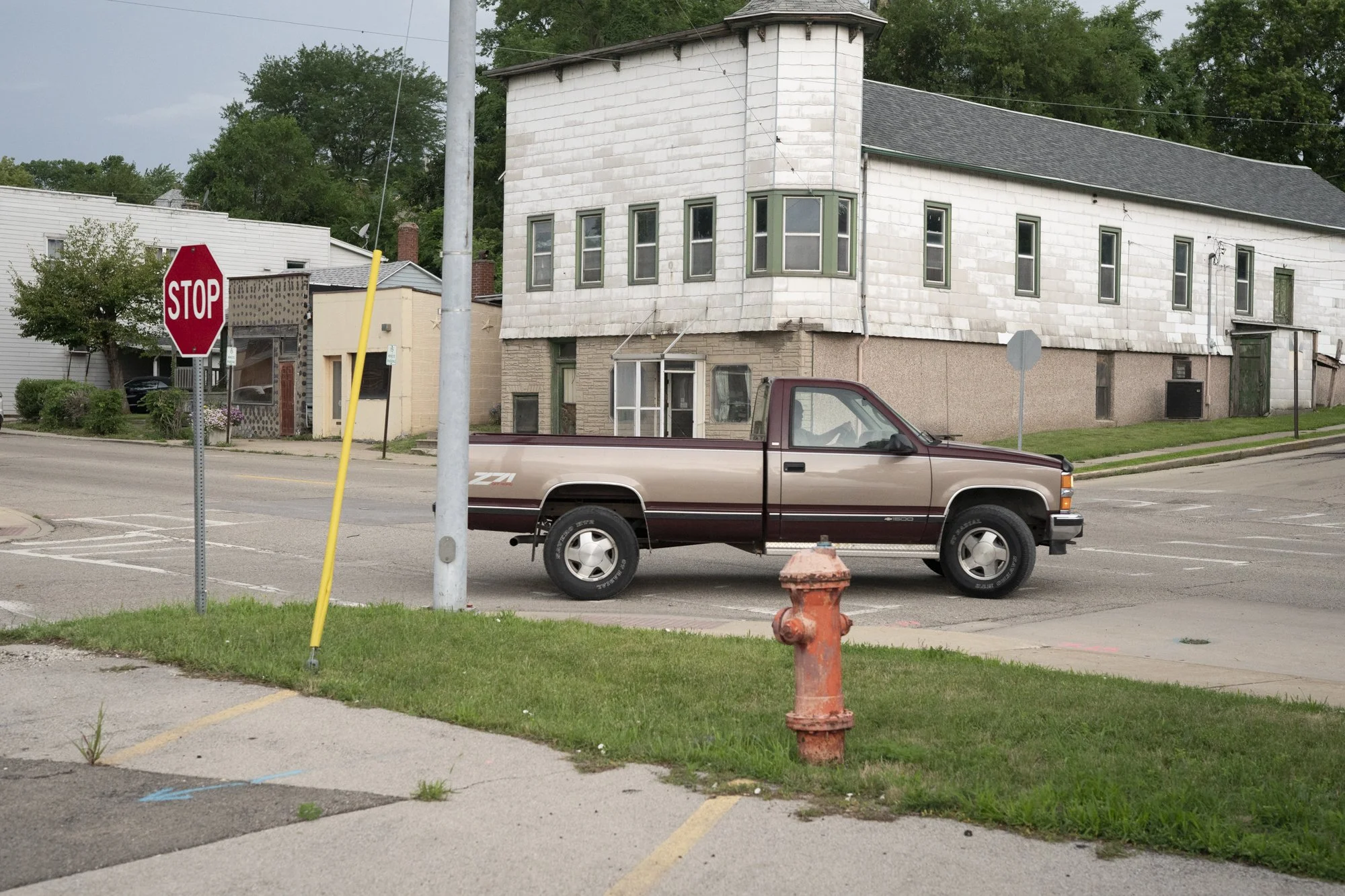
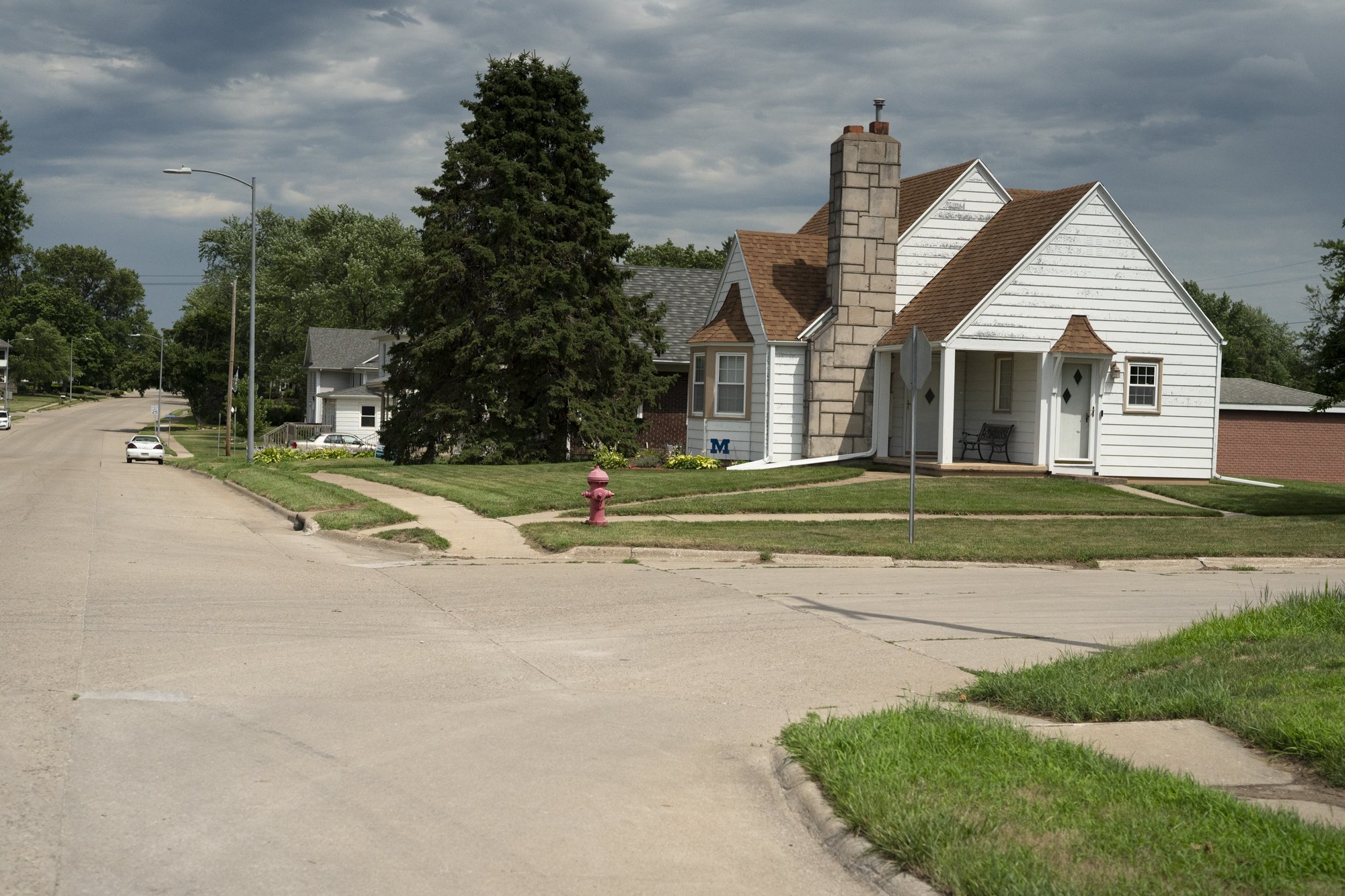
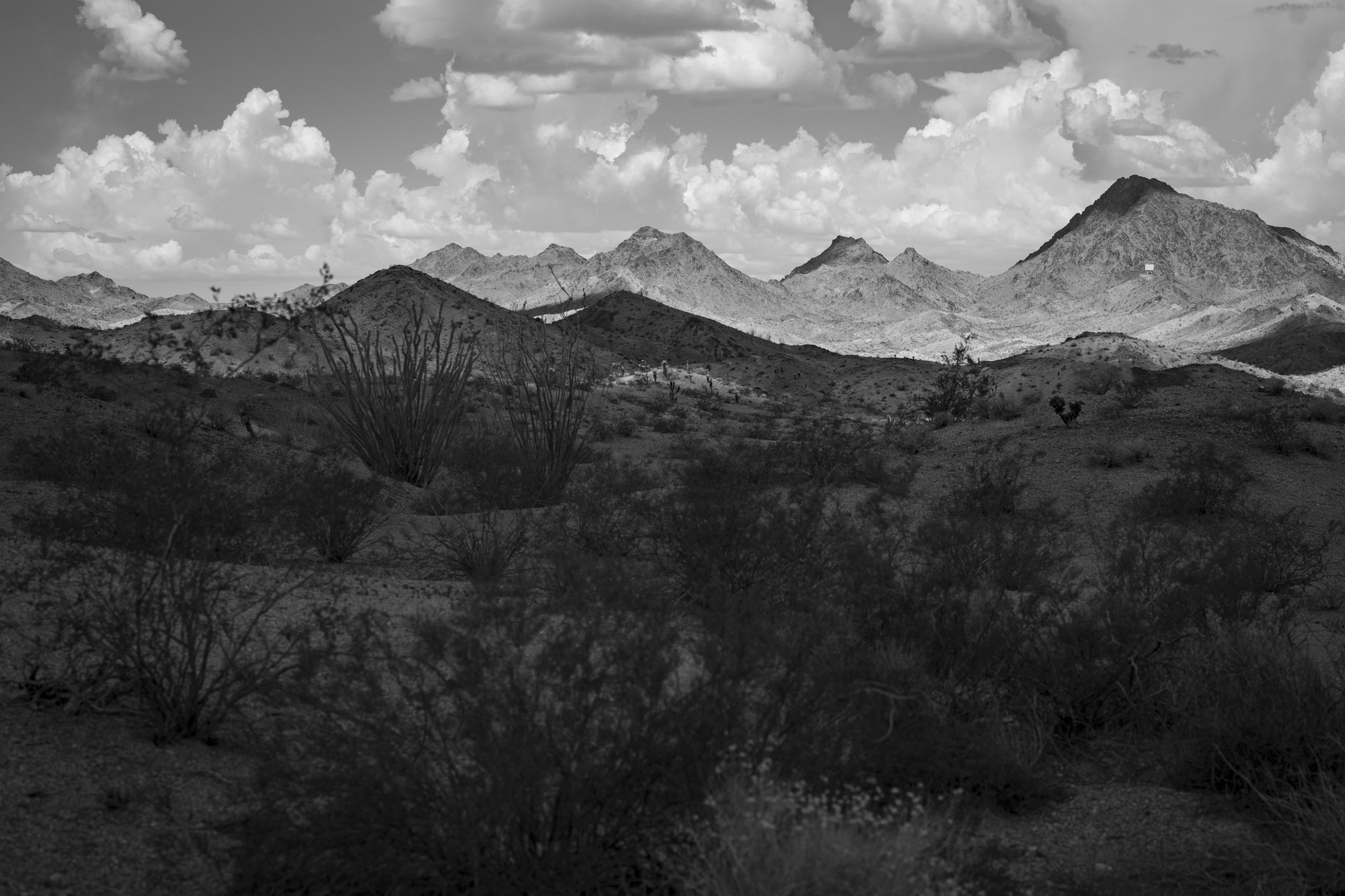
Every day spent on the road is educational in some way, especially when you drive for hours upon hours without producing anything. Half days even. A full day, and you still might not have put the camera up to your eye. Then you get to some kind of hot spot, for the lack of a better word. That’s what happened here. These top 3 images were made within 100 feet of each other in some small Illinois town on a day that otherwise produced almost nothing. Odd how that happens.

Click here to see more from my America series.