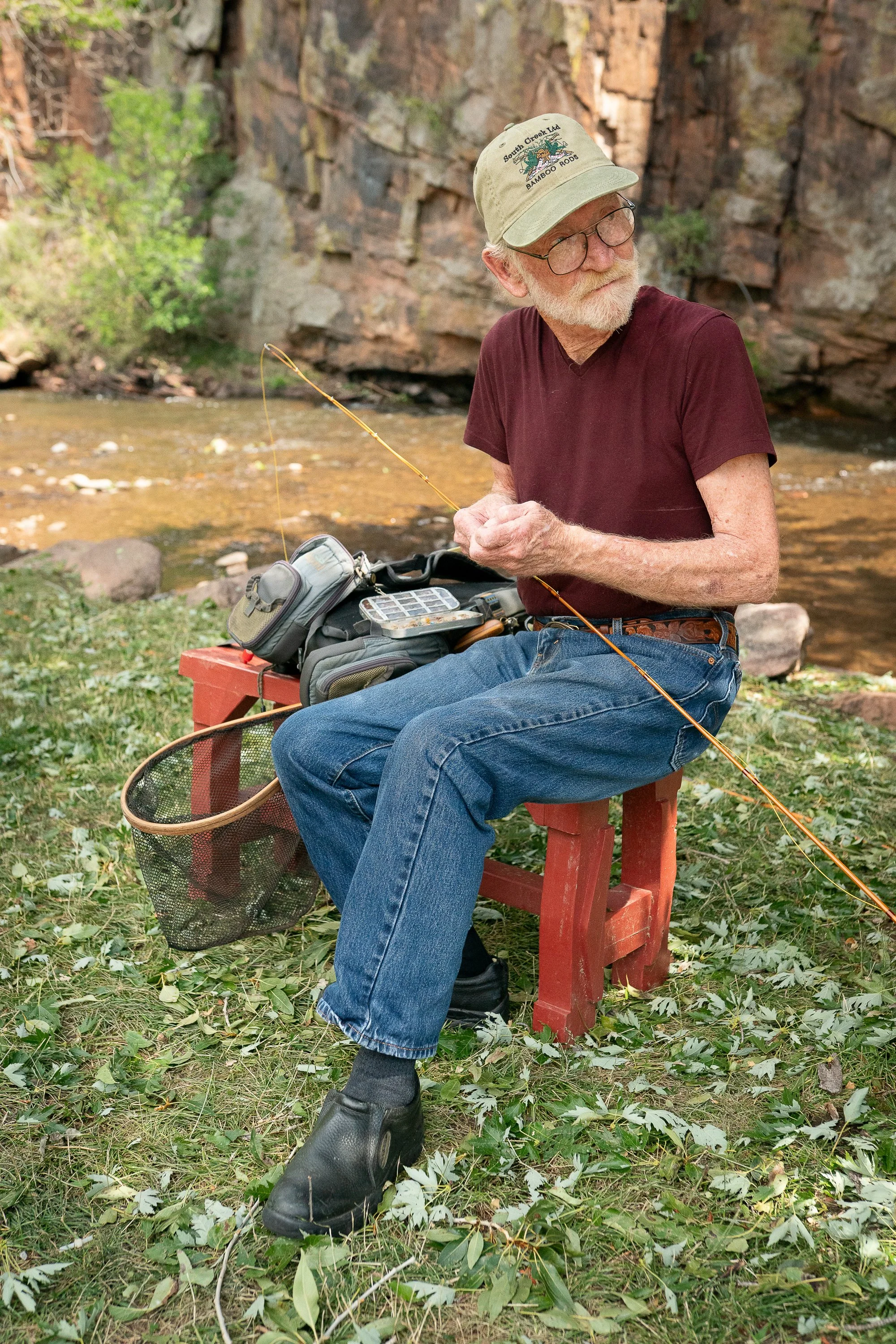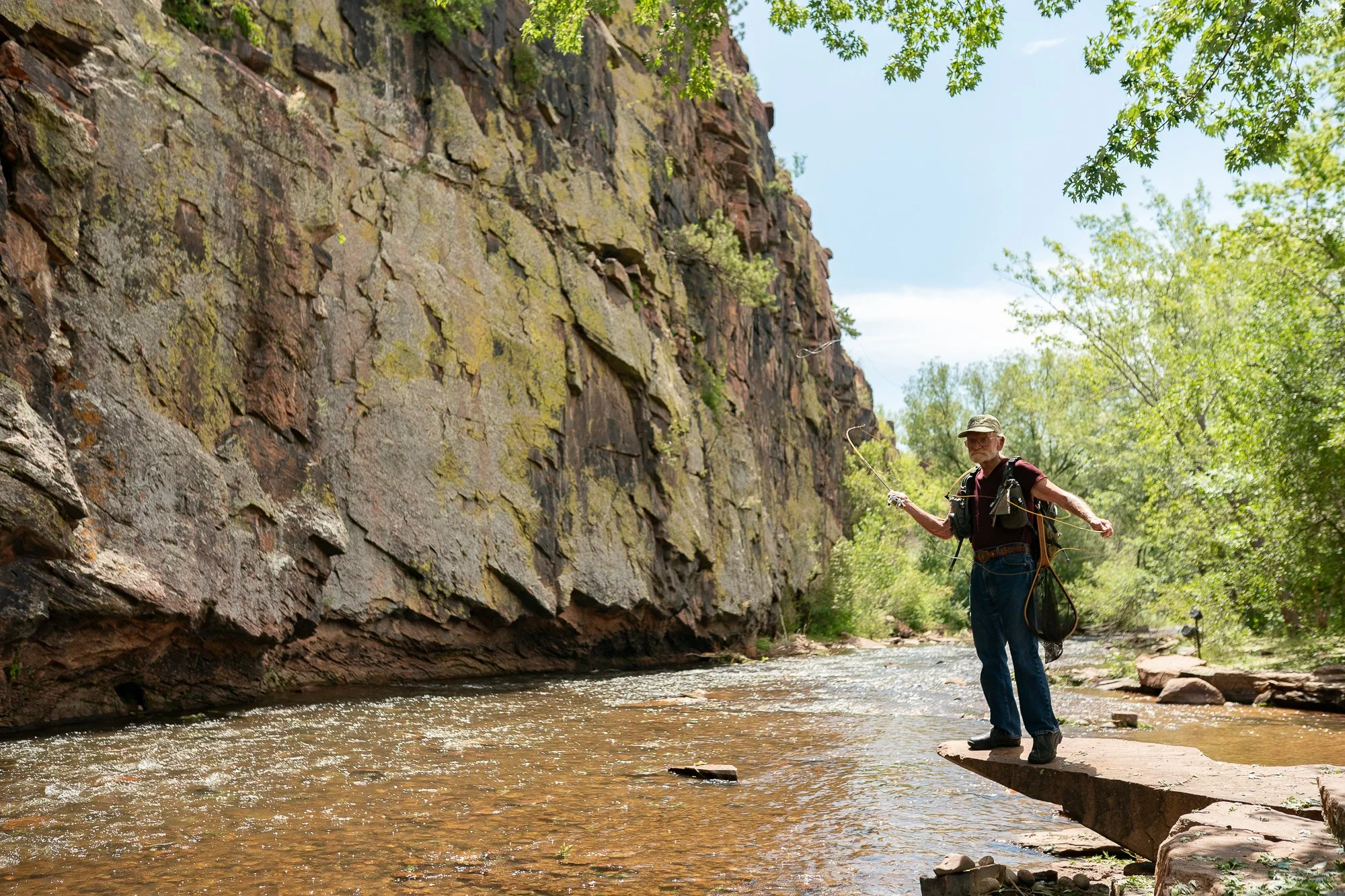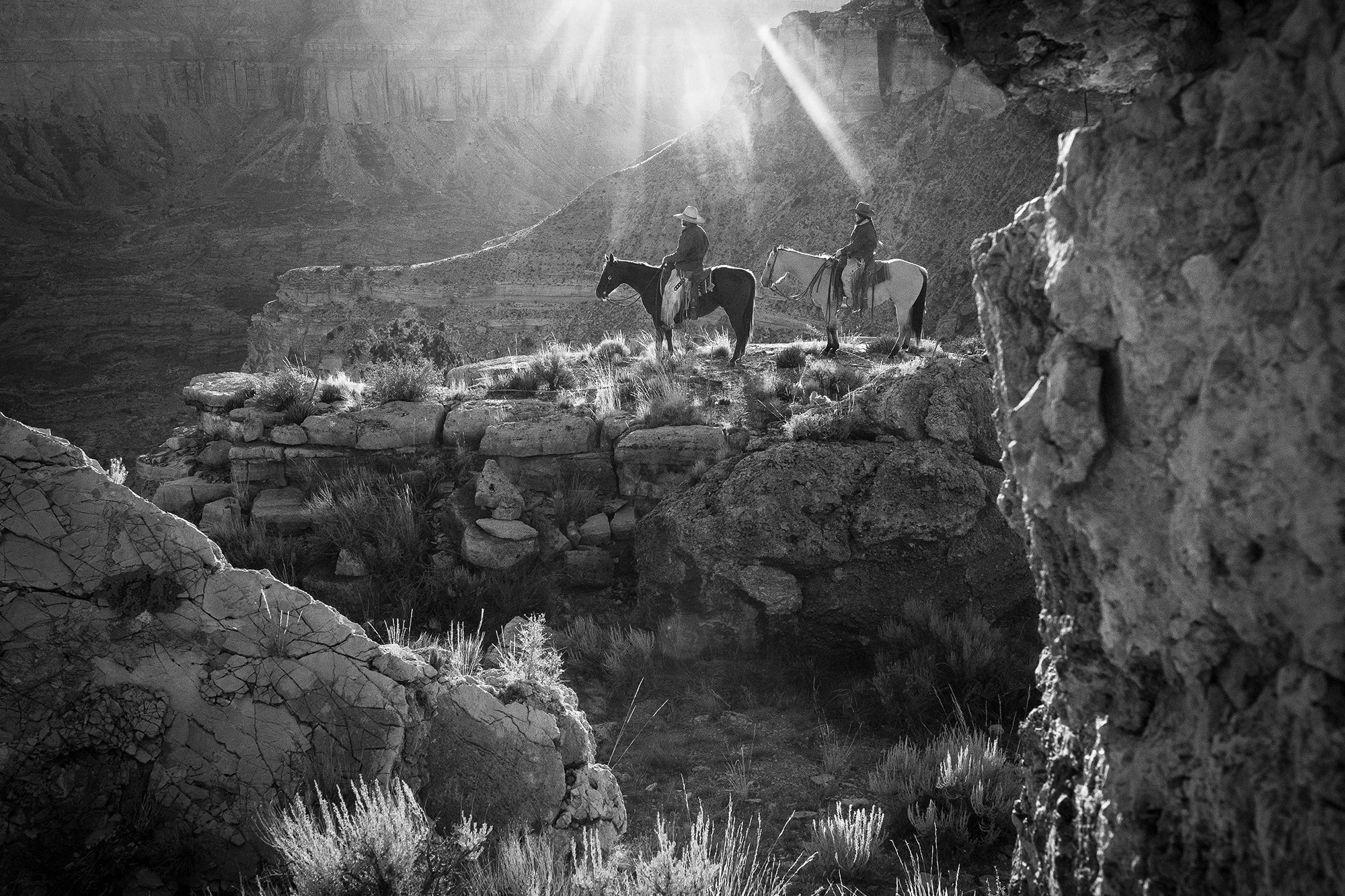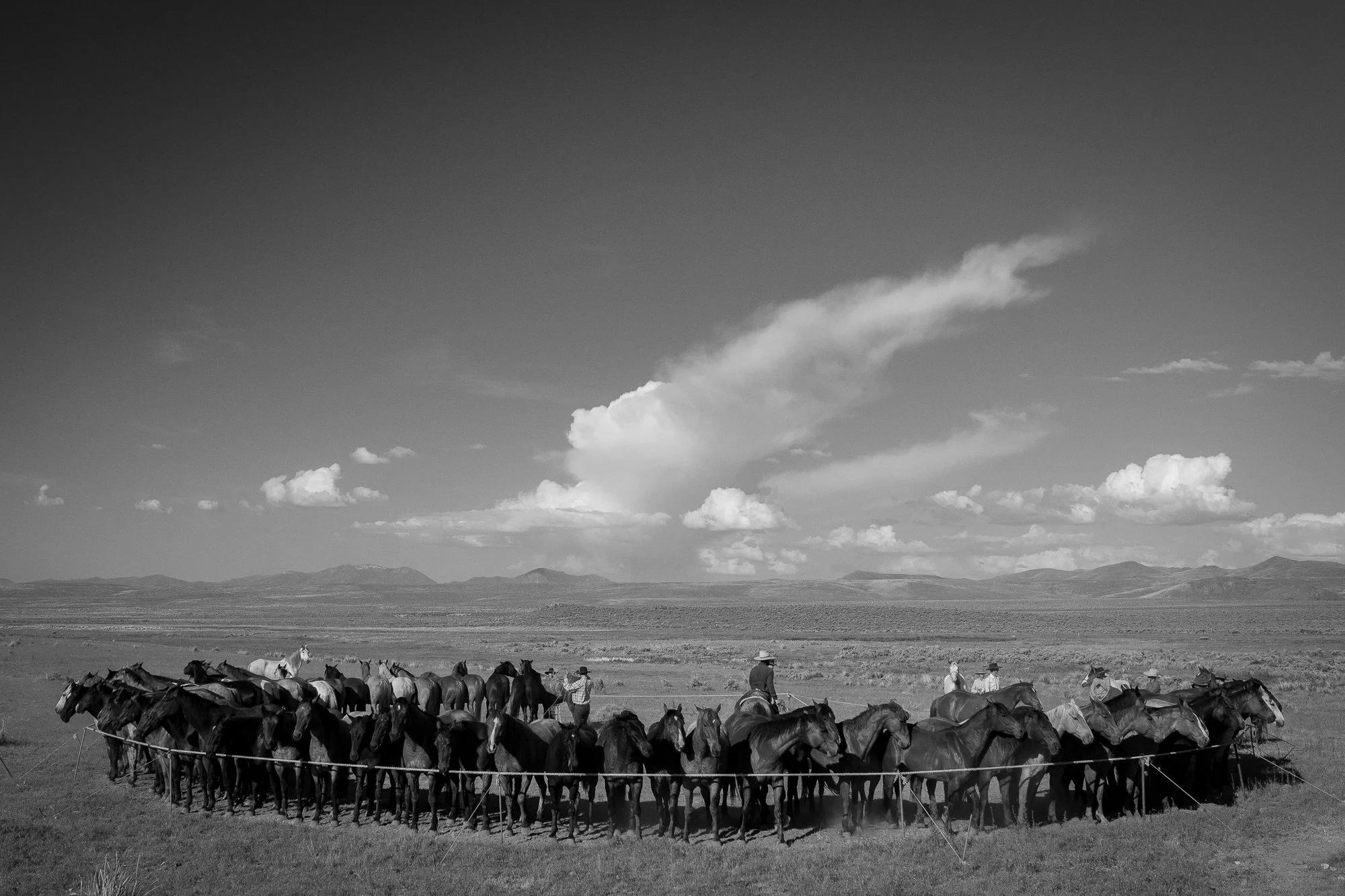
Fly Fishing Photography in Estes Park, Colorado

Fly Fishing Photography Near Denver: Estes Park and the Front Range

Not every fly fishing trip is a destination trip.

Some of the most consistent time on the water happens close to home—quick drives when you only have a couple hours in your work schedule or you need to get back on a plane.

Estes Park sits right on that edge for Colorado’s Front Range. Close enough to Denver to be accessible, but far enough to feel like a different environment entirely. It might not come with all the fanfare of Colorado’s most iconic fly fishing locations, but it sure is pretty.

This series of photographs comes from time spent working in that space—fishing and photographing in real conditions, without the pressure of a “big trip” or a big name location.

Photograph of a fly fisherman kneeling on ice while casting into the Big Thompson River near Estes Park, Colorado.

Estes Park Fly Fishing

Fly Fishing Close to Denver Changes the Approach

Fishing within reach of Denver means working with limitations:

  • tighter timeframes

  • unpredictable weather

  • more pressure on the water

From a photography standpoint, that changes how you shoot.

You don’t have a full day on the water, so there’s less waiting for perfect conditions and more adapting to what’s in front of you:

  • shifting light through the canyon

  • quick decisions on composition

  • moments that happen once and don’t repeat

It forces a more responsive way of working—and often leads to more honest images.

A fly fisherman casting into a winter stream in a rocky canyon near Estes Park, CO

A fly fisherman in a rocky canyon near Estes Park, CO

Real Conditions, Not Ideal Ones

In the Rocky Mountains there is no such thing as ideal conditions, and that’s a lot of the fun - you’re always finding a way to make the most of what comes at you. That part of the process is what’s so addicting about fly fishing and photographing the sport.

Instead of building images around ideal conditions, the focus is on documenting what’s actually there:

  • anglers adjusting on the fly

  • reading water in real time

  • working through imperfect situations

That’s why the work separate from all the polished, staged imagery found out there on the internet for 50 cent a download.

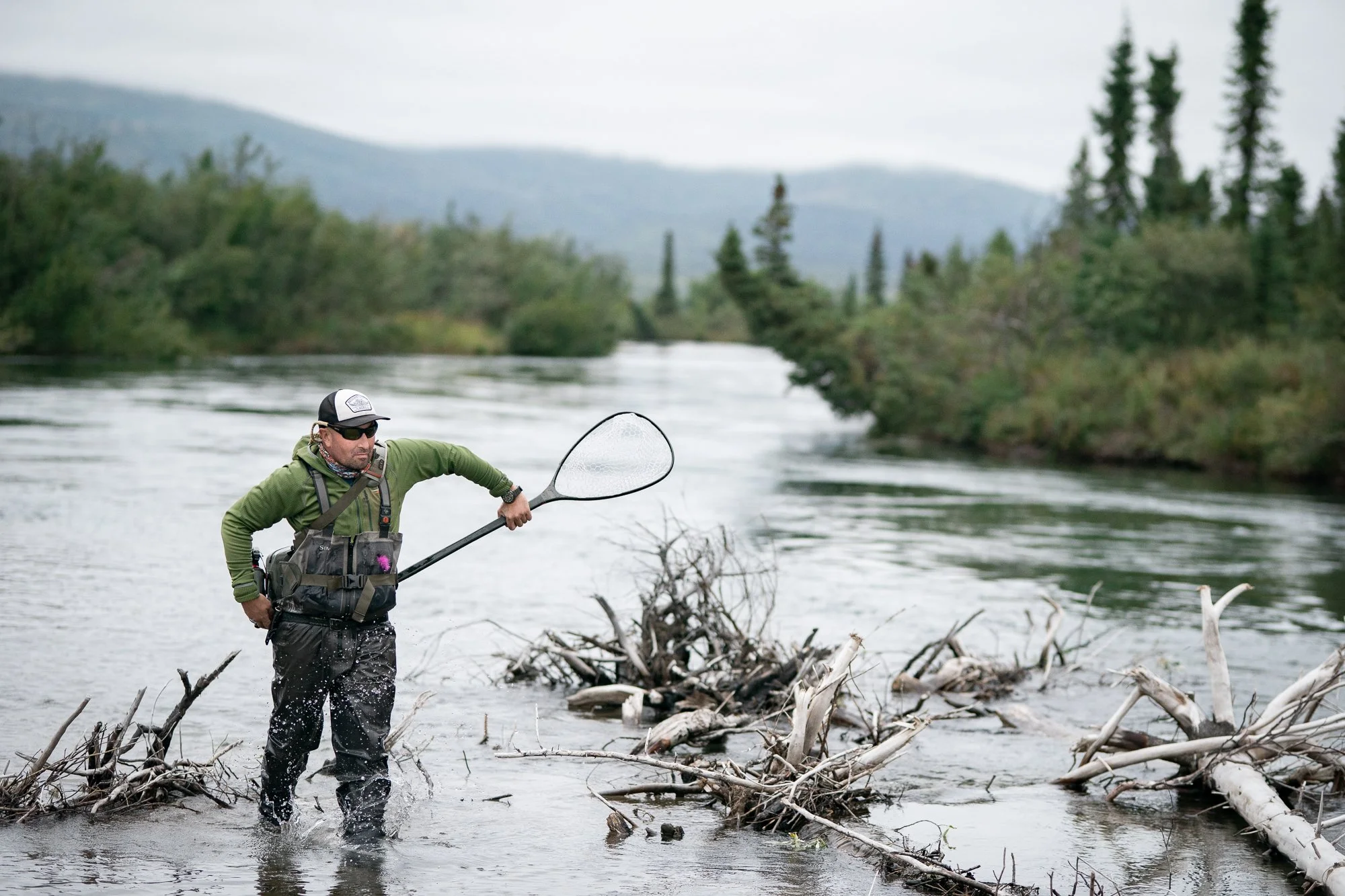
Photograph of a fly fisherman netting a trout in Estes Park, Colorado

Winter trout fishing in the Front Range outside Denver, CO

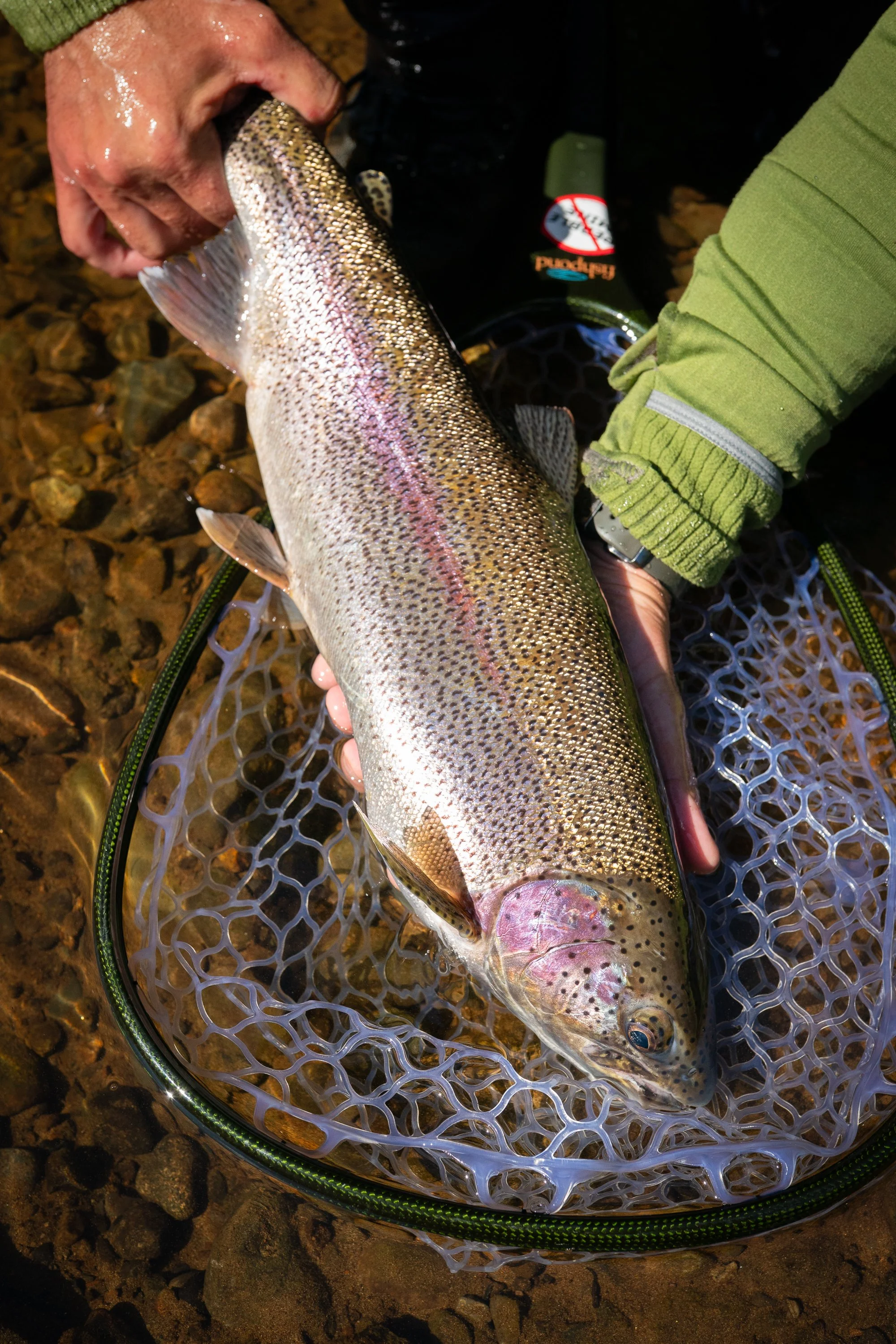
Rainbow trout caught in winter near Estes Park, CO

Rainbow Trout - Estes Park

Why Local Water Produces Strong Photography

When you’re not chasing a “bucket list” location, the mindset shifts.

You’re not trying to prove anything—you’re just paying attention.

That tends to lead to:

  • more observational images

  • better use of available light

  • compositions that feel less forced

Over time, those images become more useful for:

  • editorial storytelling

  • brand work that values authenticity

  • regional campaigns tied to Colorado and the Front Range

Photograph of a fly fisherman in a snowstorm in Colorado near Estes Park

Fly fishing in the snow near Estes Park, CO

Photograph of a mallard swimming by a fly fisherman

A mallard swims in front of a fly fisherman on the Big Thompson River

Fly Fishing Photography for Regional and National Use

Work created in accessible environments like this often translates well across different uses.

It doesn’t rely on a specific landmark or recognizable destination. Instead, it focuses on:

  • the act of fishing

  • the relationship with the environment

  • moments that feel familiar and repeatable

That makes the images flexible for:

  • outdoor brands

  • editorial features

  • tourism and regional campaigns

A fly fisherman kneels in a stream next to snow covered banks to avoid spooking fish

A fly fisherman kneels in the river to avoid spooking fish near Estes Park

Photograph of a fly fsherman removing a hook from the mouth of a rainbow trout near Estes Park, CO

Removing hook from Rainbow Trout

Part of a Larger Body of Fly Fishing Work

This series connects to a larger and ongoing body of fly fishing photography across different environments:

Each location brings a different pace and visual language, but the approach stays consistent—real conditions, no staging, and a focus on the experience rather than the result.

Photograph of a fly fisherman crouching in the river to avoid being seen by fish

A fly fisherman approaches with stealth to avoid spooking fish

Black and white photograph of a fly fisherman in Big Thomson Canyon near Estes Park

Black and white photo of winter fly fishing in Estes Park

Prints and Licensing

Select images from this series are available as fine art prints, particularly landscape-driven compositions that work well in interior spaces.

View available fly fishing photography prints

Licensing is also available for brands, agencies, and publications looking for fly fishing imagery created in real conditions. Contact me for details - rob@robhammerphotography.com

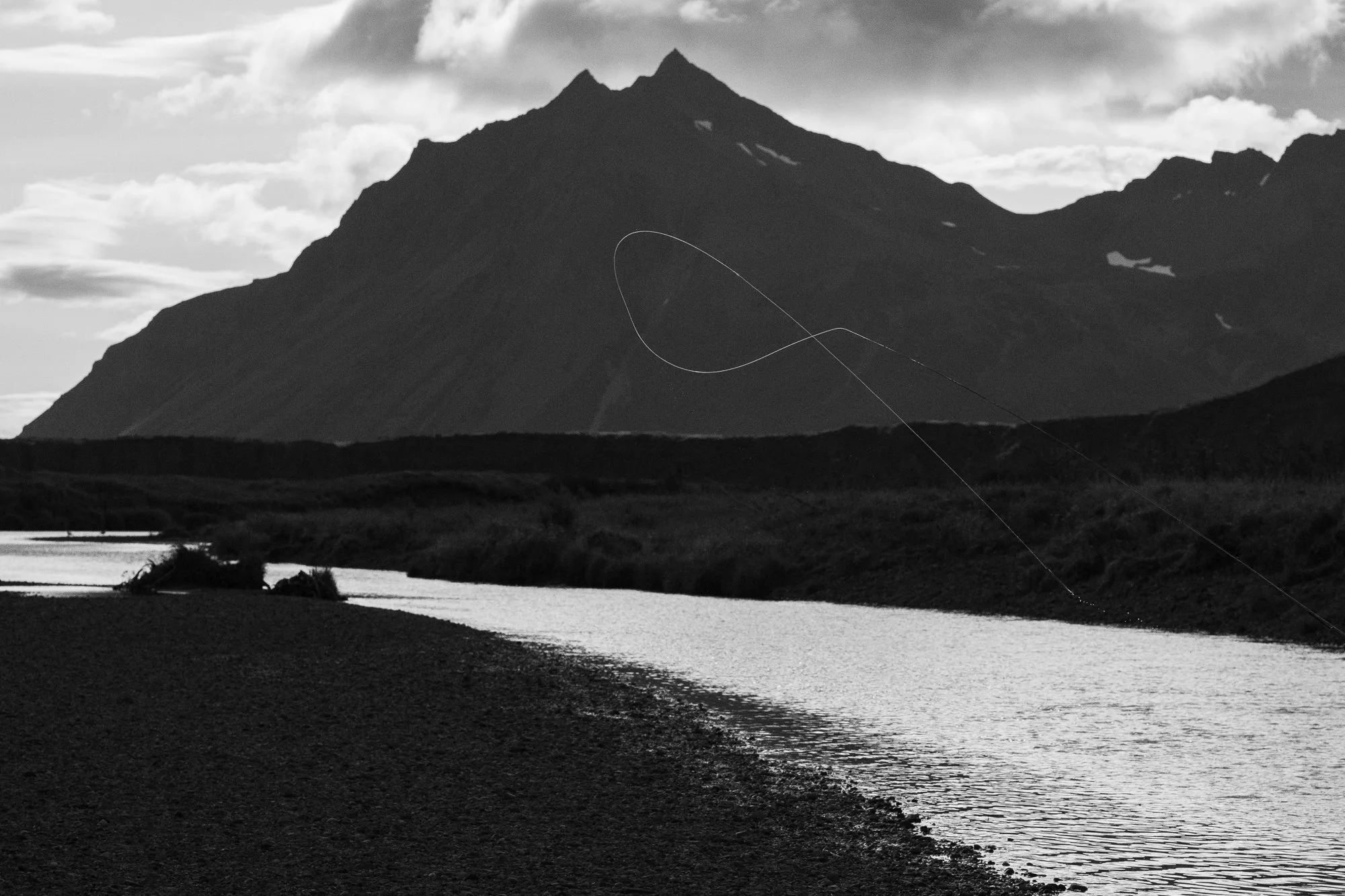
Long exposure photograph of water flowing on a river

Abstract river photograph

Black Canyon of the Gunnison Fly Fishing Photography

Black Canyon of the Gunnison Fly Fishing: A Real Look Inside One of Colorado’s Toughest Fisheries

There are places people talk about, and then there are places that quietly sit on a bucket list for years.

The Black Canyon of the Gunnison is one of those places.

Steep walls, limited access, and a river that doesn’t give much away easily. From the rim, it looks almost impossible to fish. And in a lot of ways, it is.

But that’s exactly why people keep coming back.

An angler hikes steep canyon terrain with fly fishing gear above Black Canyon of the Gunnison

The brutal climb in and out of Black Canyon is part of what makes this fishery feel earned.

A fly angler climbs steep terrain out of the Black Canyon of the Gunnison

The brutal climb out of the Black Canyon is as much a part of the fly fishing experience as the river itself.

Why the Black Canyon Is Different

Most fly fishing in Colorado gives you options.

The Black Canyon doesn’t.

There are only a handful of routes down to the river, and none of them are easy. Going down S.O.B. Draw is just as brutal as the hike up.

Once you’re down there, the Gunnison River feels like it’s yours. The hike in eliminates 99% of people, so there’s a good chance you might have the whole place to yourself.

It’s not a numbers game. It’s a place where you slow down and soak in a landscape that hasn’t changed in thousands of years.

A fly angler prepares gear at riverside camp in the Black Canyon of the Gunnison

An angler yawns while organizing gear at camp just after waking up in the Black Canyon of the Gunnison.

Two tents sit beneath trees at a riverside campsite in Black Canyon

Camp is set beneath the trees along the riverbank, creating shade and shelter deep in Black Canyon.

Access Isn’t the Hard Part—It’s Everything Else

A lot gets made about access—and yeah, it’s real.

But the physical side is just the beginning.

You carry everything in. You manage light that disappears early and returns late. Wind moves through the canyon in ways that don’t show up on a forecast. And the water itself demands precision.

Fly anglers descend rocky terrain into the Black Canyon of the Gunnison with gear

The descent into the Black Canyon demands careful movement over boulders before reaching fishable water.

A fly angler stands on rocky terrain inside the Black Canyon of the Gunnison

A fly angler pauses along rugged canyon rock while moving deeper into the Gunnison’s demanding terrain.

A fly angler fishes the Gunnison River beneath steep canyon walls in the Black Canyon

A lone angler works a quiet stretch of the Gunnison River beneath the steep walls of Black Canyon.

What the Fishing Actually Feels Like

There’s a quiet intensity to fishing here.

You’re not moving fast. You’re not covering miles of water. You’re scrambling over boulders just about the whole time, working small sections carefully, knowing that every fish in this river has survived conditions that make them selective.

When it comes together, it feels earned in a way that’s hard to replicate elsewhere.

A fly angler casts into technical pocket water in the Black Canyon of the Gunnison

A fly angler works precise casts through technical canyon water shaped by powerful currents and stone.

A fly angler crosses large rock formations inside the Black Canyon of the Gunnison.

Massive canyon rock and technical terrain shape every step along the Gunnison River.

A fly angler reaches through canyon rocks while navigating tight terrain in Black Canyon.

Tight canyon walls and rough terrain make even simple movements part of the challenge.

A lone angler stands on river rock surrounded by towering canyon walls in Black Canyon

Solitude and scale shape every hour spent fishing beneath these massive canyon walls.

Why It Stays a Bucket List Fishery

There are easier places to fish in Colorado.

There are places with more fish, easier access, and more predictable conditions.

But very few places feel like this.

The Black Canyon of the Gunnison isn’t about convenience. It’s about immersion—being fully inside a landscape that hasn’t been softened or simplified.

That’s what makes it stick with people.

A fly angler fishes the Gunnison River surrounded by steep canyon walls

A fly angler works the Gunnison River in one of Colorado’s most demanding fly fishing environments.

Foam patterns swirl across moving water in the Gunnison River

River foam drifts across canyon current, revealing the movement and complexity of Gunnison water.

A fly angler stands in the river casting beneath towering canyon walls in Black Canyon

A fly angler casts through canyon water while steep rock walls rise above him in Black Canyon.

A rainbow trout rests in a landing net during fly fishing in the Black Canyon of the Gunnison

A hard-earned trout reflects the precision required in demanding canyon water.

An angler fishes shallow current beneath towering canyon walls in the Black Canyon

Standing mid-river, an angler casts through fast water framed by steep canyon walls.

A Note on Conditions and Planning

If you’re thinking about fishing here, timing matters. Our trip was in July, and the night time temps were rough. Even without clothes on, I was sweating the entire night. Beyond that, flows, access routes, and even basic safety can change quickly depending on the season. This isn’t a place to figure things out on the fly.

For current conditions, it’s worth checking updates through the National Park Service before making the trip.

An angler sits on large canyon rocks rigging fly fishing gear beside the river in Black Canyon

An angler rigs flies and tackle on the rocks beside the river, preparing for another stretch of water in Black Canyon.

A fly angler stands beneath steep canyon walls in the Black Canyon of the Gunnison

Towering canyon walls dwarf the angler as he navigates one of Colorado’s most demanding fisheries.

Fly fishing waders dry on a tree brach after a day of fishing in the Black Canyon of the Gunnison

Waders dry at riverside camp as gear rests between long days of fly fishing inside the Black Canyon.

A close-up shows a scraped shin with fresh cuts at camp in Black Canyon

Scrapes and bruises come with navigating the steep rocks and rough terrain of Black Canyon.

A man sits on the grass in Black Canyon holding a camp stove mug near the river

Morning at camp in Black Canyon, sharing coffee beside the river before heading back on the water.

Part of a Larger Body of Work

This work is part of an ongoing series documenting fly fishing across the American West—focused on real conditions, real environments, and the connection between anglers and the landscapes they move through.

If you’re interested in licensing imagery or working together on projects like this, get in touch - rob@robhammerphotography.com

View Fly Fishing Photography Portfolio

View Fly Fishing Prints

Explore more Colorado Fly Fishing Photography (Fall Foliage)

An angler crosses a fallen log above the Gunnison River inside the Black Canyon

Moving through remote canyon water often means navigating unstable crossings before reaching fishable water.

A fly angler stands on massive canyon boulders above fast-moving Gunnison River water

Technical water and unforgiving boulders demand precision at every step.

An angler casts while wading the Gunnison River in the Black Canyon

A fly angler works a slower stretch of river, casting across clear water beneath canyon walls.

A trout slips from an angler’s hand during release in the Gunnison River

A trout slips back into the current after release, disappearing into the clear water of Black Canyon.

Two anglers fish wide canyon water beneath steep Black Canyon walls

Two anglers work separate seams of water, covering a broad stretch of river in Black Canyon.

A smiling angler stands beside the Gunnison River after time spent in the Black Canyon

Hard miles and technical water still leave room for moments of earned satisfaction.

Steep canyon walls rise above the Gunnison River in the Black Canyon of the Gunnison

Massive canyon walls define the landscape, shaping the river corridor through Black Canyon.

An angler carefully descends steep backcountry terrain above the Gunnison River

Hiking out of the Black Canyon is brutal work, but well worth the effort.

Alton, Illinois — Where Industry, Architecture, and Time Collide

Alton, Illinois Photography — A Study of America’s Overlooked River Towns

There are towns across America that most people pass through without noticing. Alton, Illinois is one of them. Set along the Mississippi River just north of St. Louis, it carries the layered weight of industry, architecture, and time in a way that feels distinctly American—unpolished, functional, and quietly enduring.

This series is part of a larger body of work exploring small towns and in-between places across the country—places that aren’t built for attention, but reveal something deeper when you slow down long enough to look.

Grain elevator with “Welcome to Alton” sign at a downtown intersection in Alton, Illinois

Grain elevators with a “Welcome to Alton” sign anchor a downtown intersection in Alton, Illinois, tying the town’s industrial past to its present streets.

A River Town Built on Industry

The visual anchor of this set is unmistakable: the grain elevators and concrete silos rising over the town.

They aren’t hidden. They dominate.

From nearly every angle—behind storefronts, above intersections, next to bars and brick buildings—they sit as a reminder of what built towns like Alton in the first place. The Mississippi River turned places like this into working infrastructure, not destinations.

That contrast shows up repeatedly:

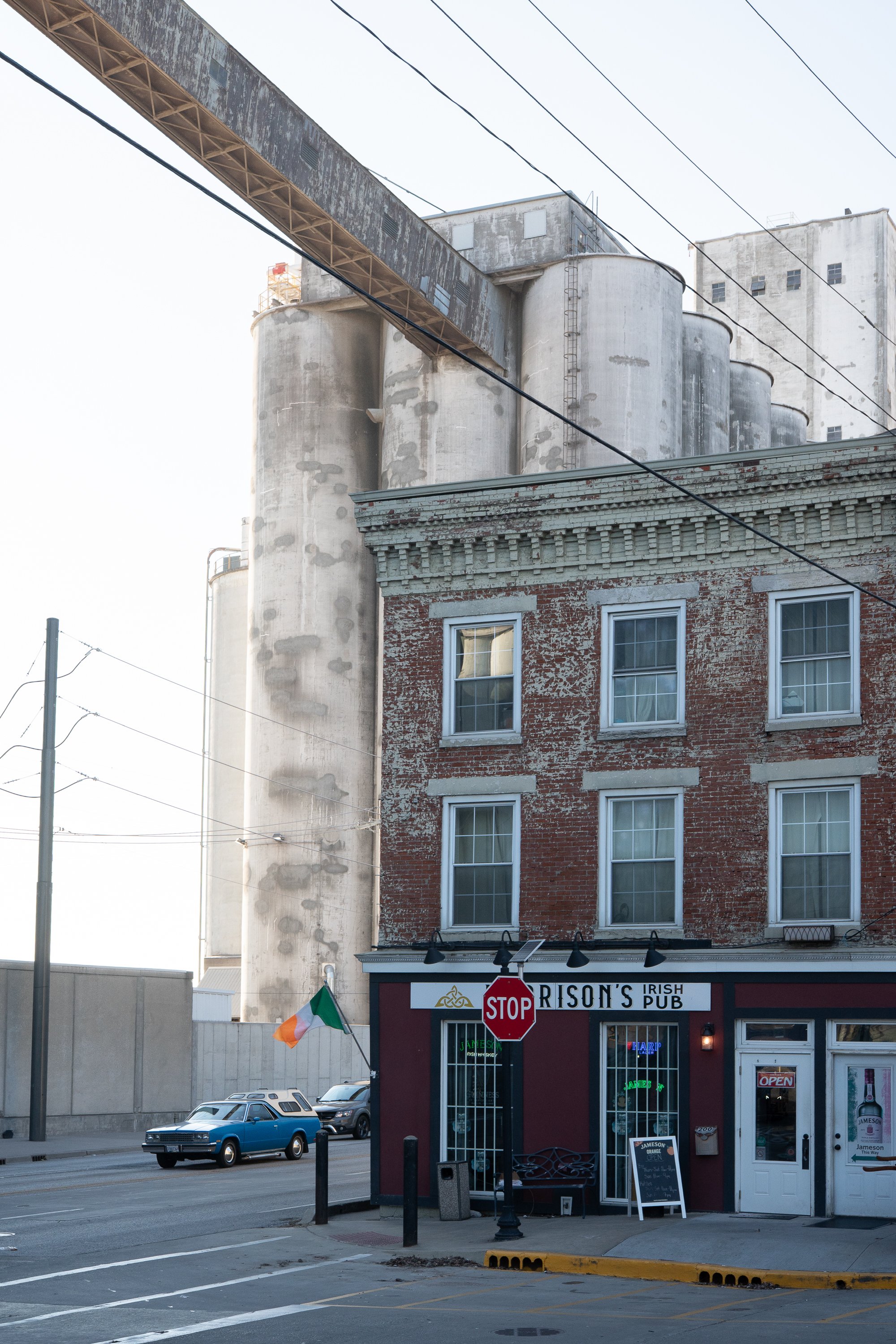
  • A bar with an Irish flag sitting in the shadow of concrete silos

  • A “Guns & Ammo” sign facing a massive industrial wall

  • Small businesses dwarfed by the scale of production behind them

This is the American landscape without editing.

Towns like this exist all over the West and Midwest, shaped by industry and geography in similar ways—whether along the Mississippi River or out in places like Nevada where isolation and infrastructure define the landscape.

Large industrial building behind a small town street with cars and storefronts in Alton, Illinois

A large industrial building stands behind the main street in Alton, Illinois, where daily life unfolds alongside the town’s industrial scale.

Faded painted lettering on a red brick building with boarded windows in Alton, Illinois

Faded lettering and a boarded brick storefront in Alton, Illinois reflect the aging buildings found across small town America.

See more from Nevada

Architecture That Refuses to Disappear

What makes Alton compelling isn’t just the industry—it’s what exists alongside it.

There’s a persistence in the architecture:

  • Ornate brick buildings with detailed cornices

  • A cylindrical turret that feels pulled from another era

  • Storefronts that have changed names, but not structure

Nothing feels preserved in a curated way. It’s just… still there.

Even the fading signage—the partial “Grand” marquee—adds to that sense of time stacking rather than being replaced.

You see this same persistence in other small towns across the country, where architecture outlasts the industries that built it—places like Helper, Utah, where buildings tell the story long after the economy shifts.

View the Helper, Utah series

Round corner tower on a historic brick building in downtown Alton, Illinois

A rounded tower rises above the street in Alton, Illinois, a detail of historic architecture that still defines this Midwest town.

The Space Between Things

Some of the strongest images here aren’t landmarks—they’re transitions.

  • A blank white wall punctuated by small square windows

  • A single tree leaning slightly off balance on an empty sidewalk

  • A parking lot bordered by collapsing stone and patched brick

These are the in-between spaces that define most American towns but rarely get photographed.

They aren’t designed. They’re accumulated.

And that accumulation—of repairs, decay, utility, and adaptation—is where the real visual language of this project lives.

A broken stone wall and empty parking spaces in Alton, Illinois capture the overlooked textures of the American landscape.

Small tree and streetlamp against a white wall with square openings in Alton, Illinois

A small tree and streetlamp sit against a stark white wall in Alton, Illinois, a quiet moment within the broader American landscape.

Main Streets Still Holding On

There’s still a rhythm to the town.

Cars move through wide intersections.
Shops remain open.
Light hits the buildings the same way it probably has for decades.

But there’s also space—physical and economic.

That openness becomes part of the composition:

  • Wider streets than necessary

  • Gaps between active businesses

  • Light falling deeper into the frame than it would in a denser city

It creates a slower visual pace, which is exactly what allows these photographs to exist in the first place.

Grain silos behind a brick building with a pub on a street corner in Alton, Illinois

Grain silos rise behind a neighborhood pub in Alton, Illinois, where industry and local gathering spaces exist side by side.

Part of a Larger American Landscape

This work from Alton, Illinois is one piece of a much larger project—years spent photographing towns, roads, and overlooked places across the United States.

Explore the full America photography project

This body of work also led to the publication of Roadside Meditations, a book that explores similar themes across the American landscape—quiet places, long roads, and the overlooked details in between.

View the Roadside Meditations book

Colorful mural on a low building with industrial structures and an empty lot in Alton, Illinois

A mural stretches across a low building in Alton, Illinois, set against older industrial structures and an open lot.

Downtown street with cars leading toward grain elevators in Alton, Illinois

Cars move through a downtown street in Alton, Illinois toward the grain elevators, connecting the town center to its industrial edge.

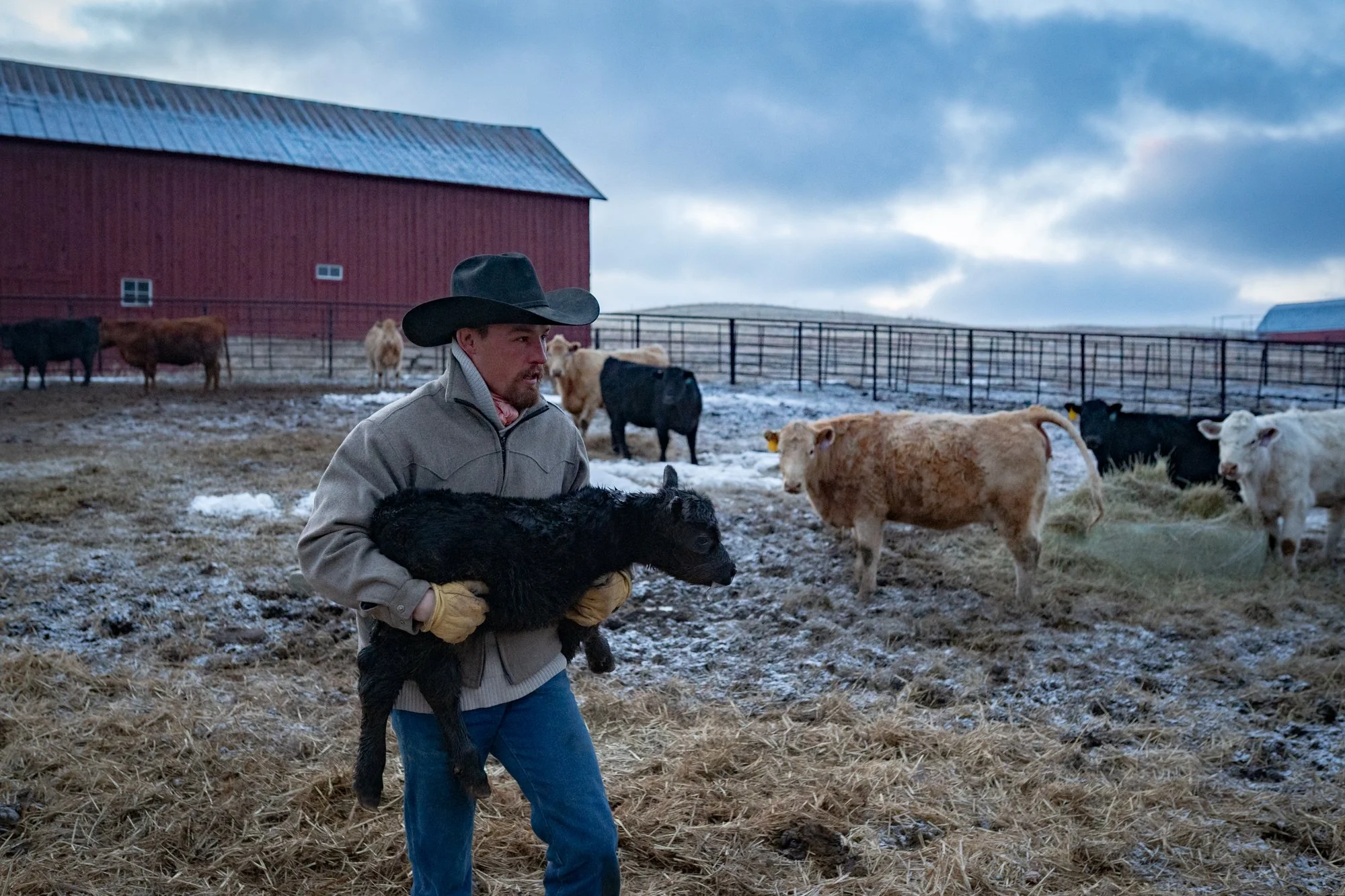
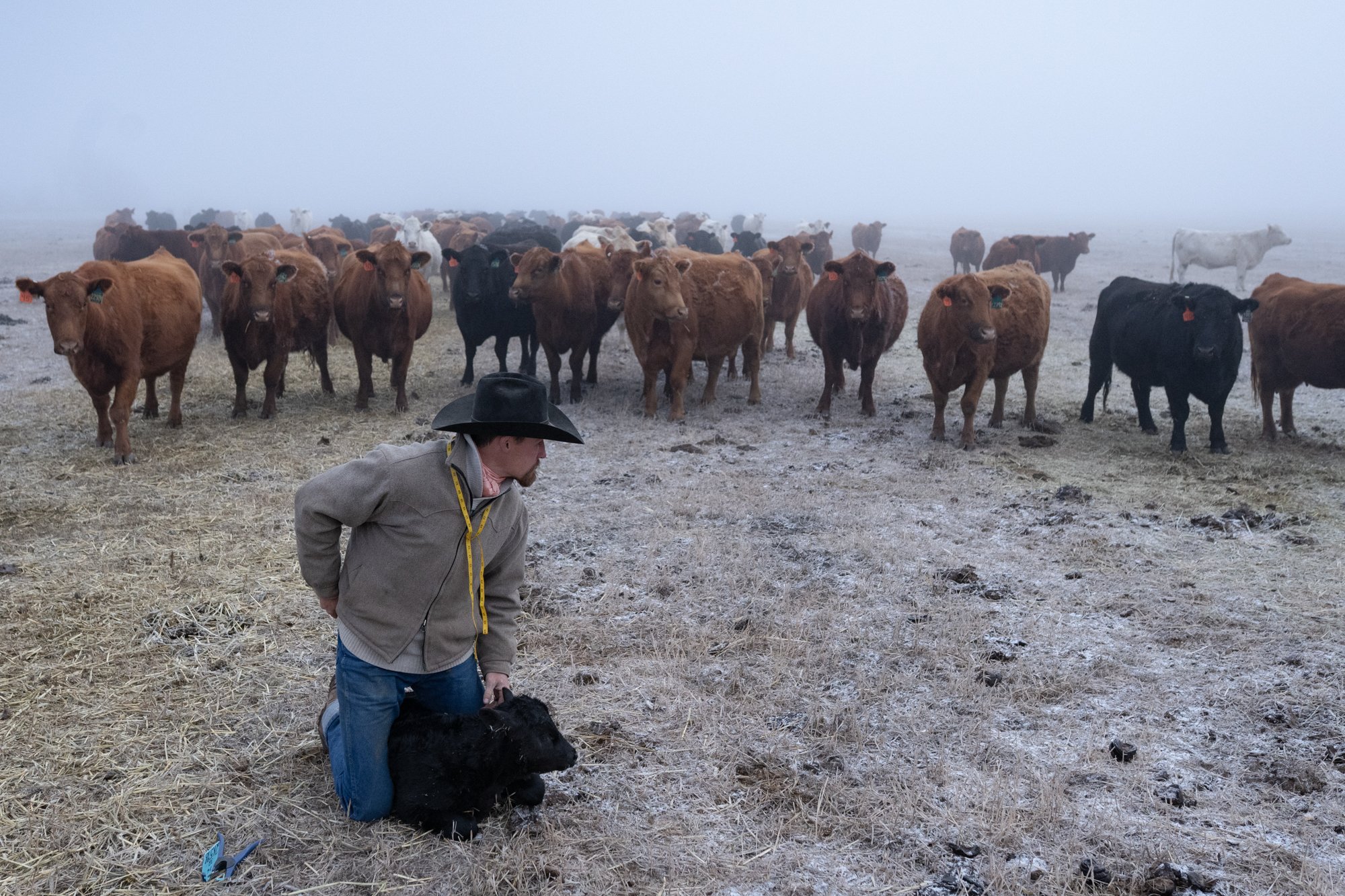
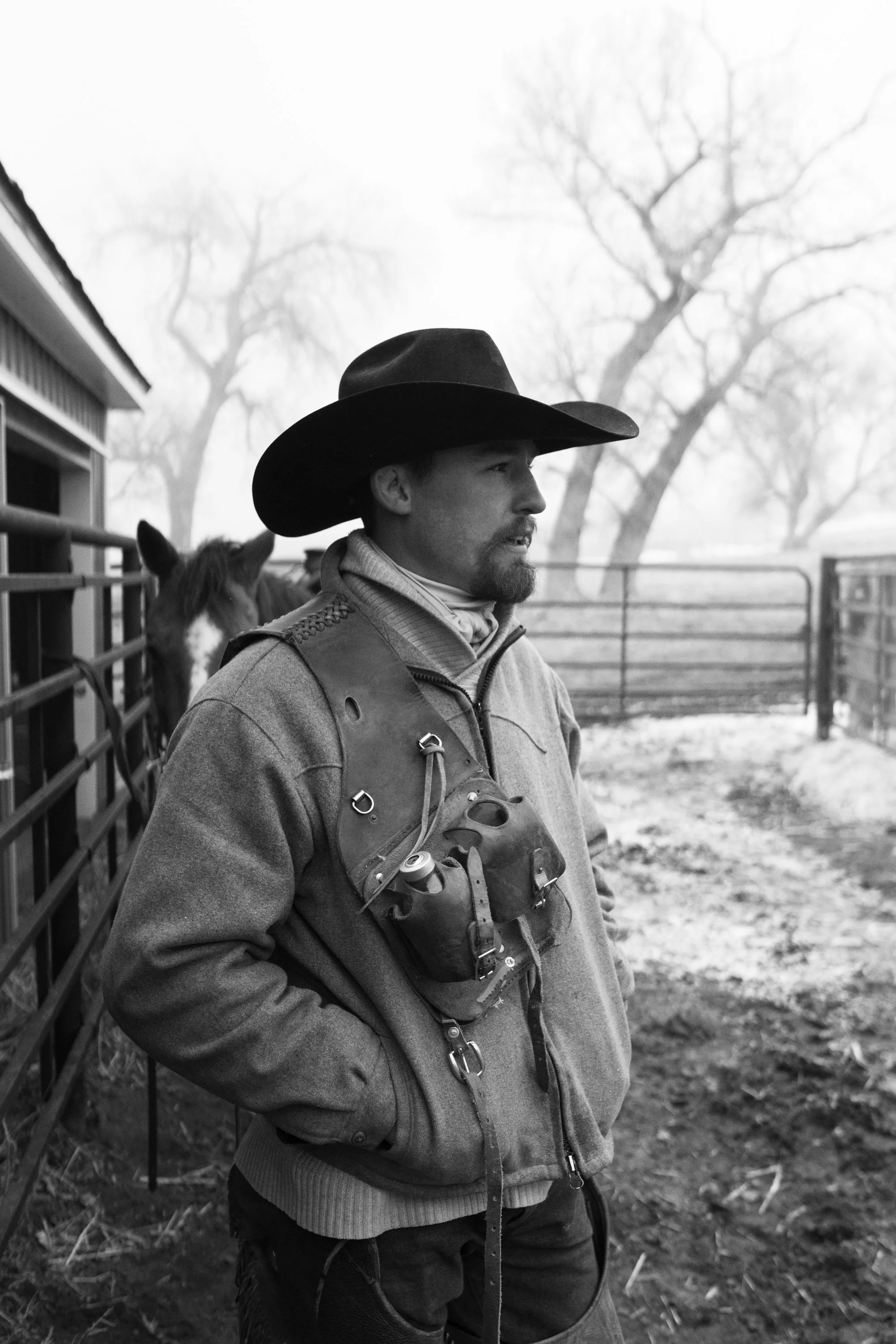
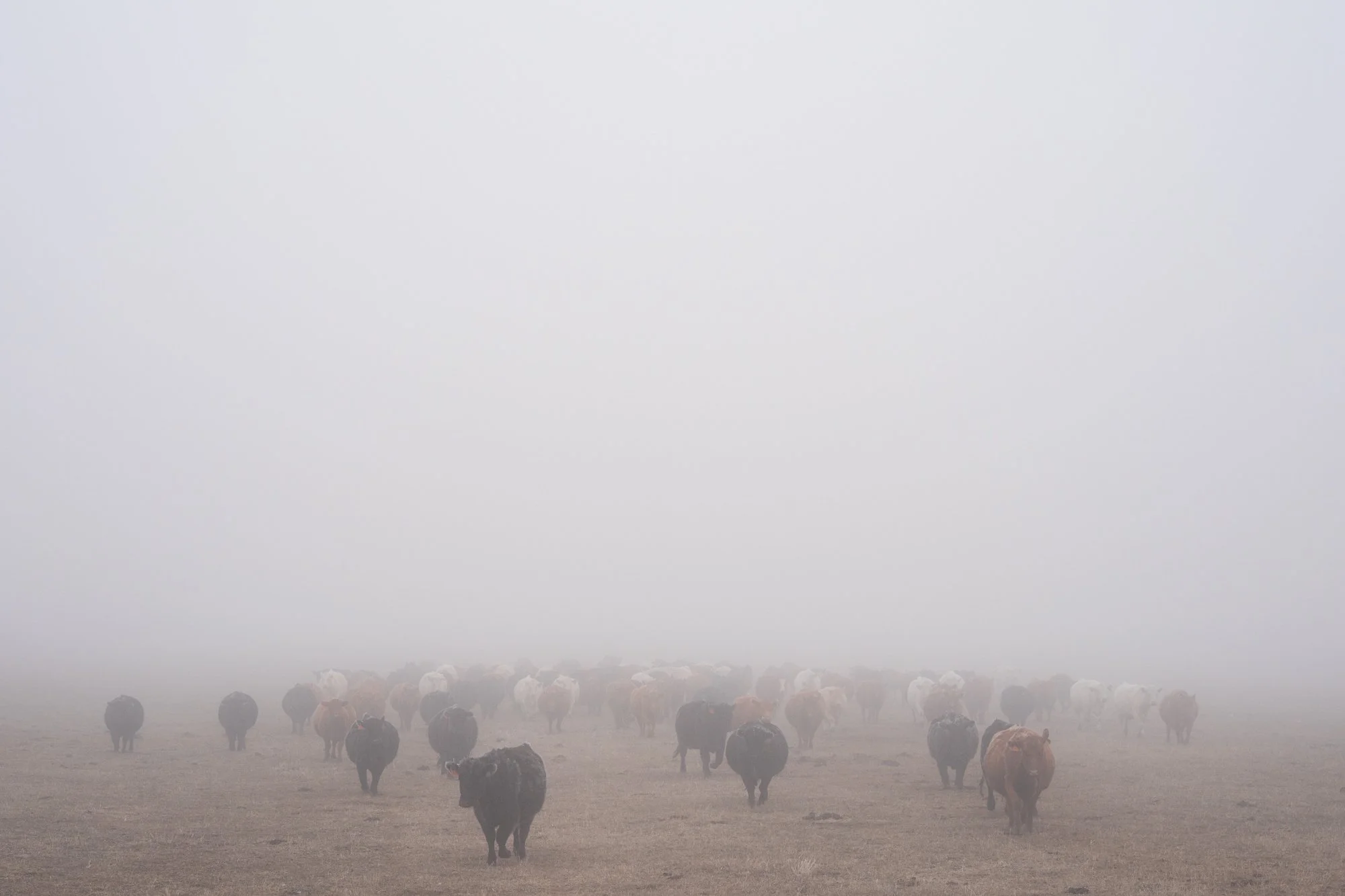
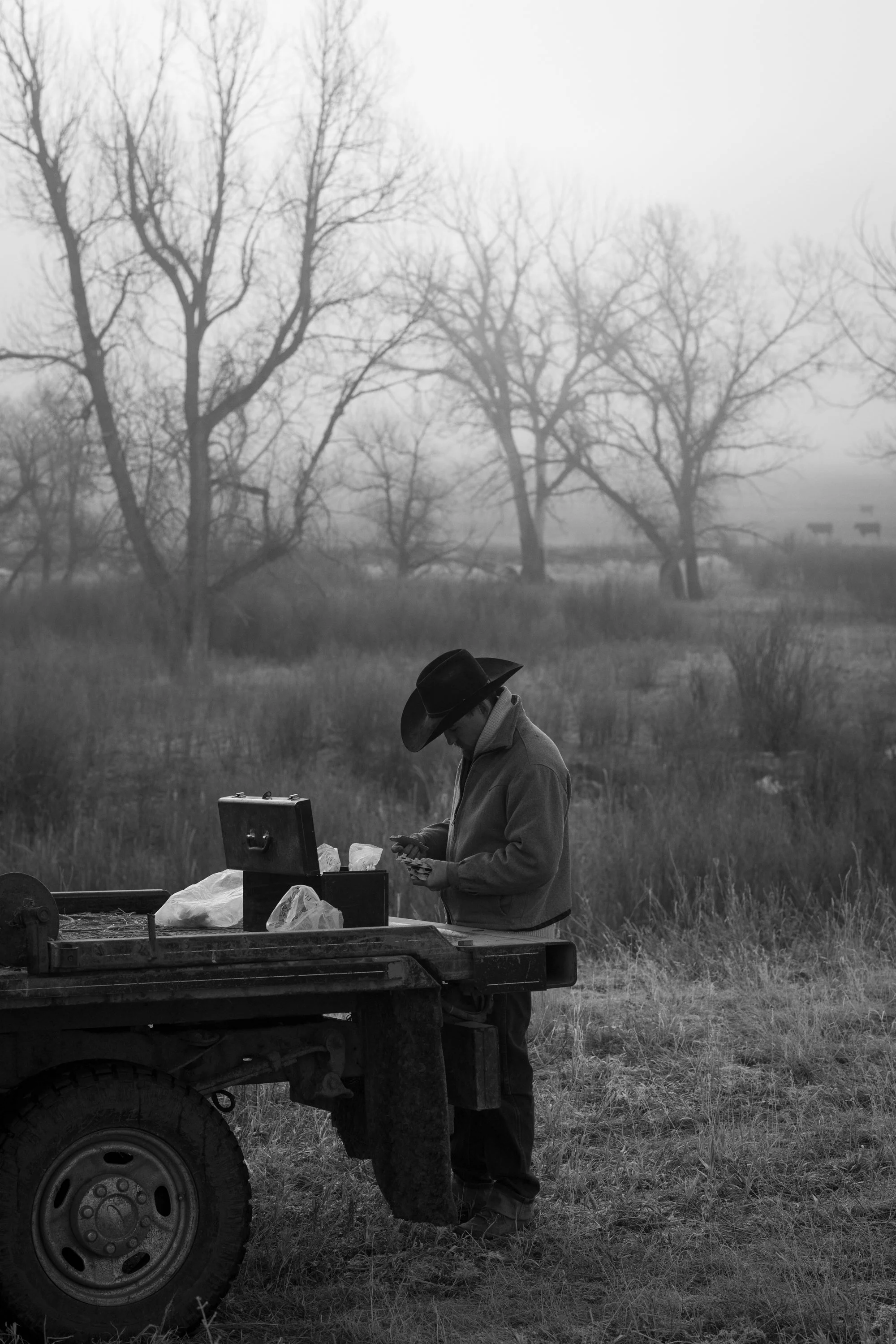
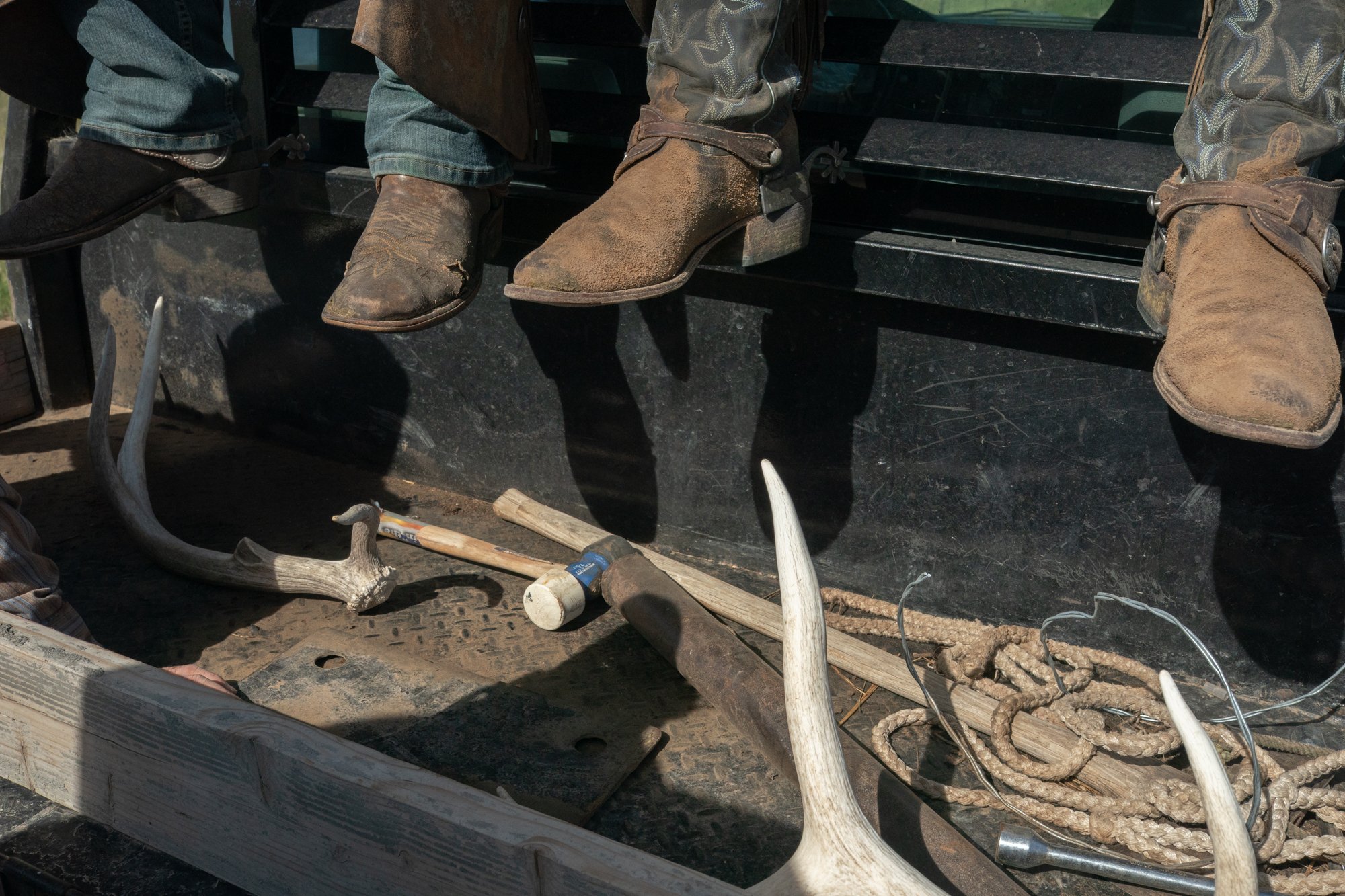
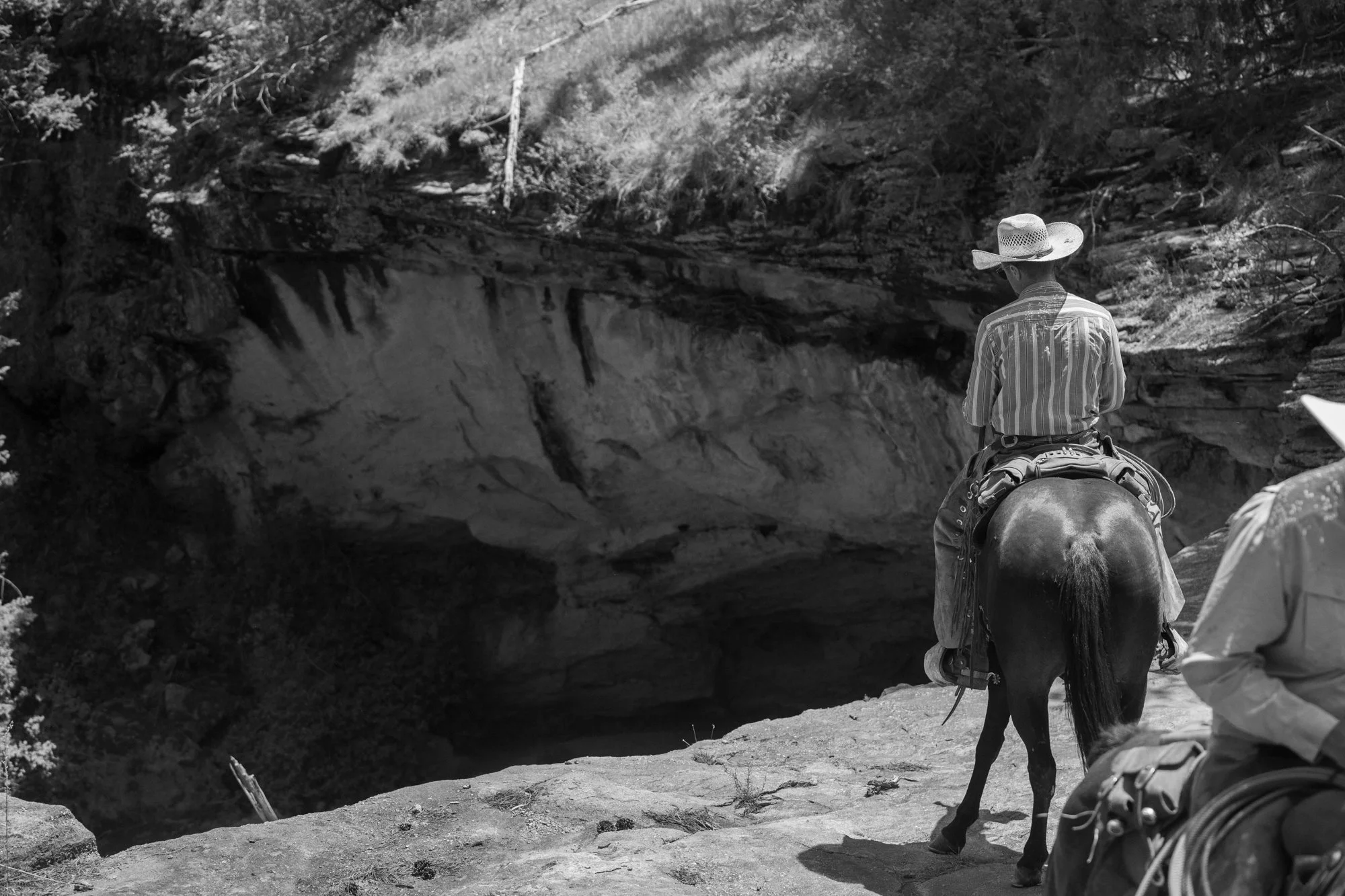
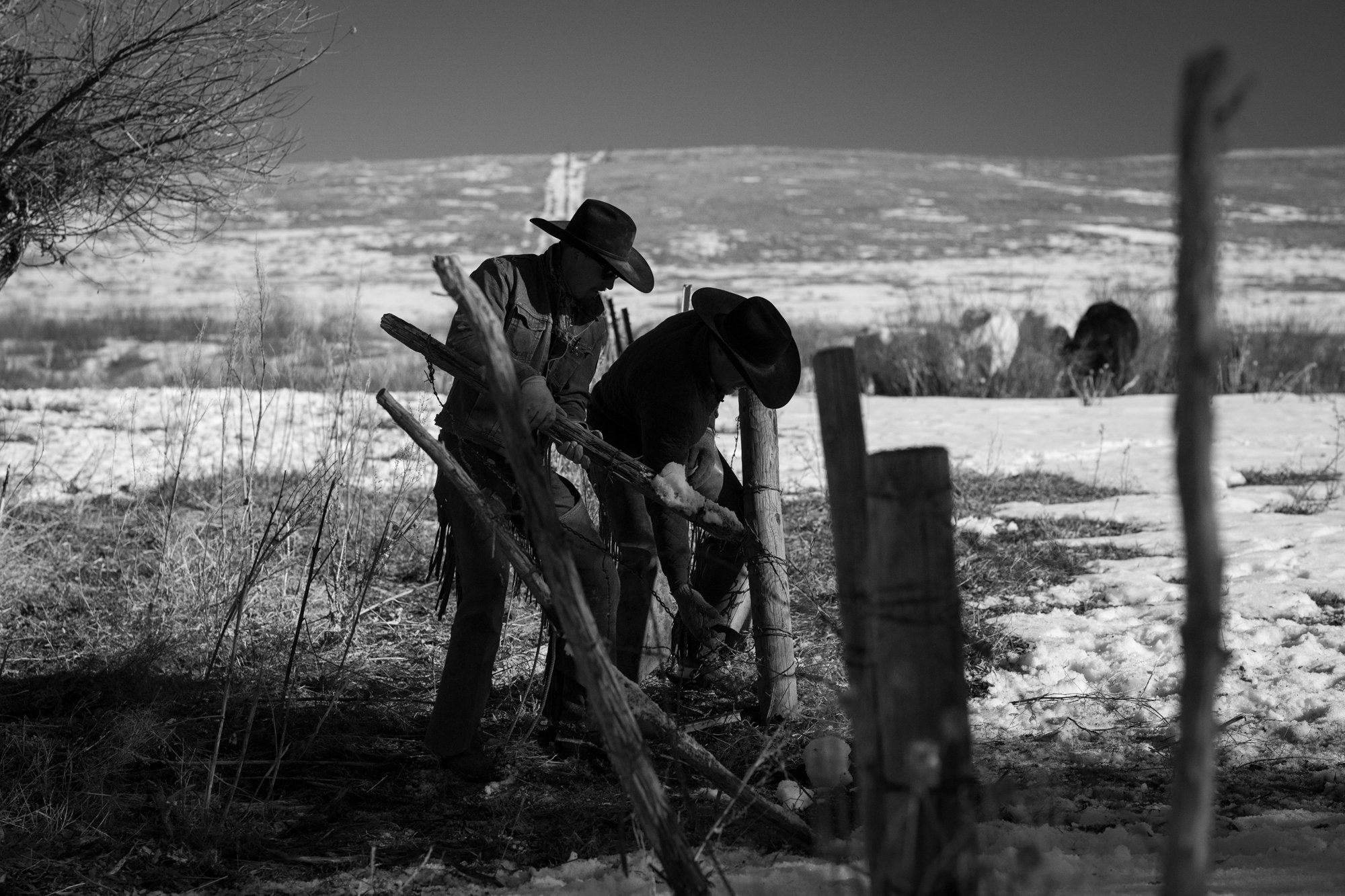
Cowboy Photography on View at the National Western Center in Denver

Western Photography Exhibition in Denver: Cowboy Work at the National Western Center

There’s no shortage of Western imagery in Colorado, but very little of it shows the work as it actually is.

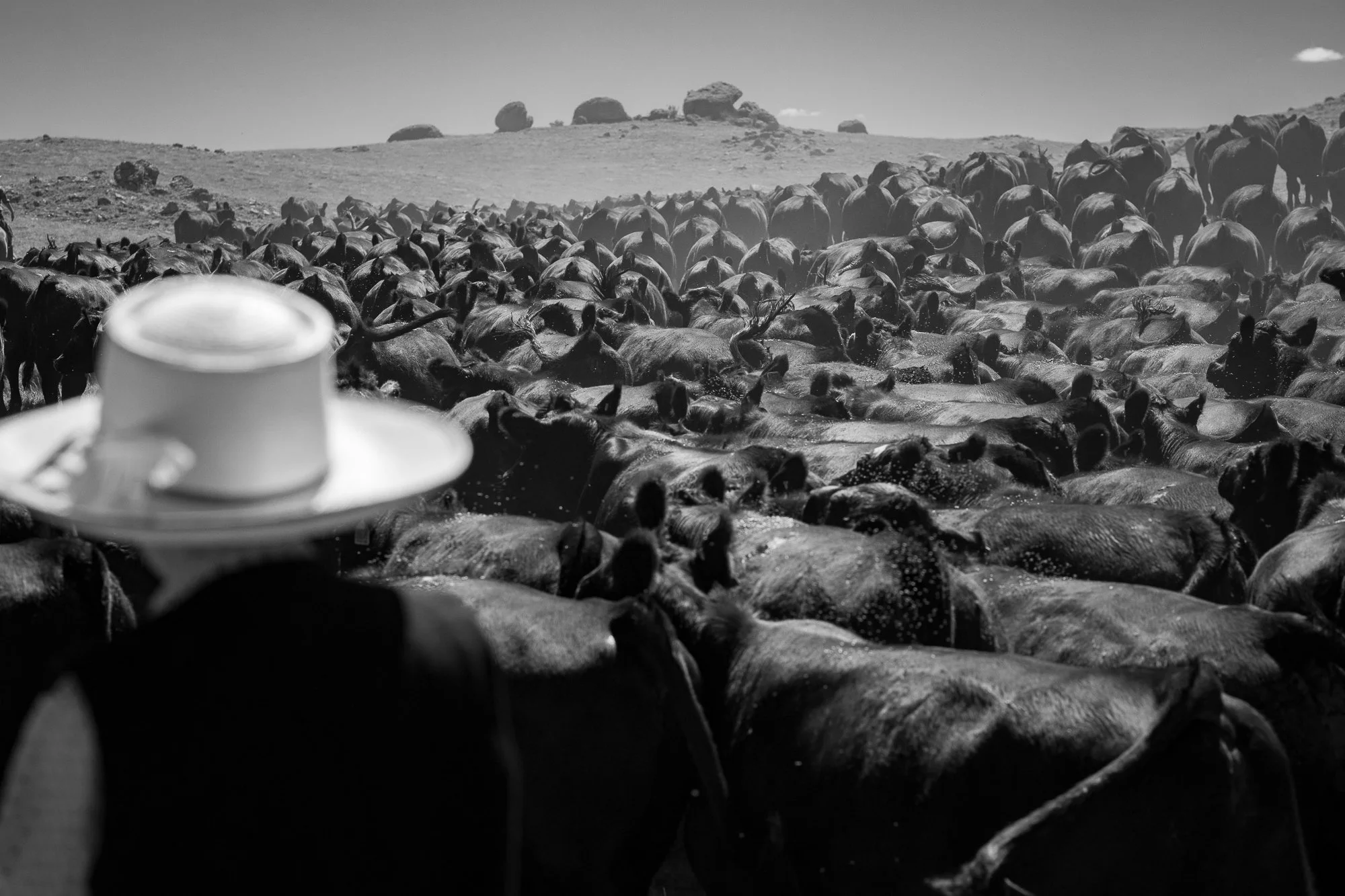
Most people encounter the American cowboy through film, advertising, or nostalgia—images that lean heavily on mythology. What’s often missing is the day-to-day reality: the brutally cold mornings, endless days, the physical toll, and the quiet pride that comes with it.

That’s part of what makes this upcoming exhibition at the National Western Center worth paying attention to. Set inside the Legacy Building, the show brings together a group of photographers whose work engages with the modern American West in a more honest way—grounded in real places and real people.

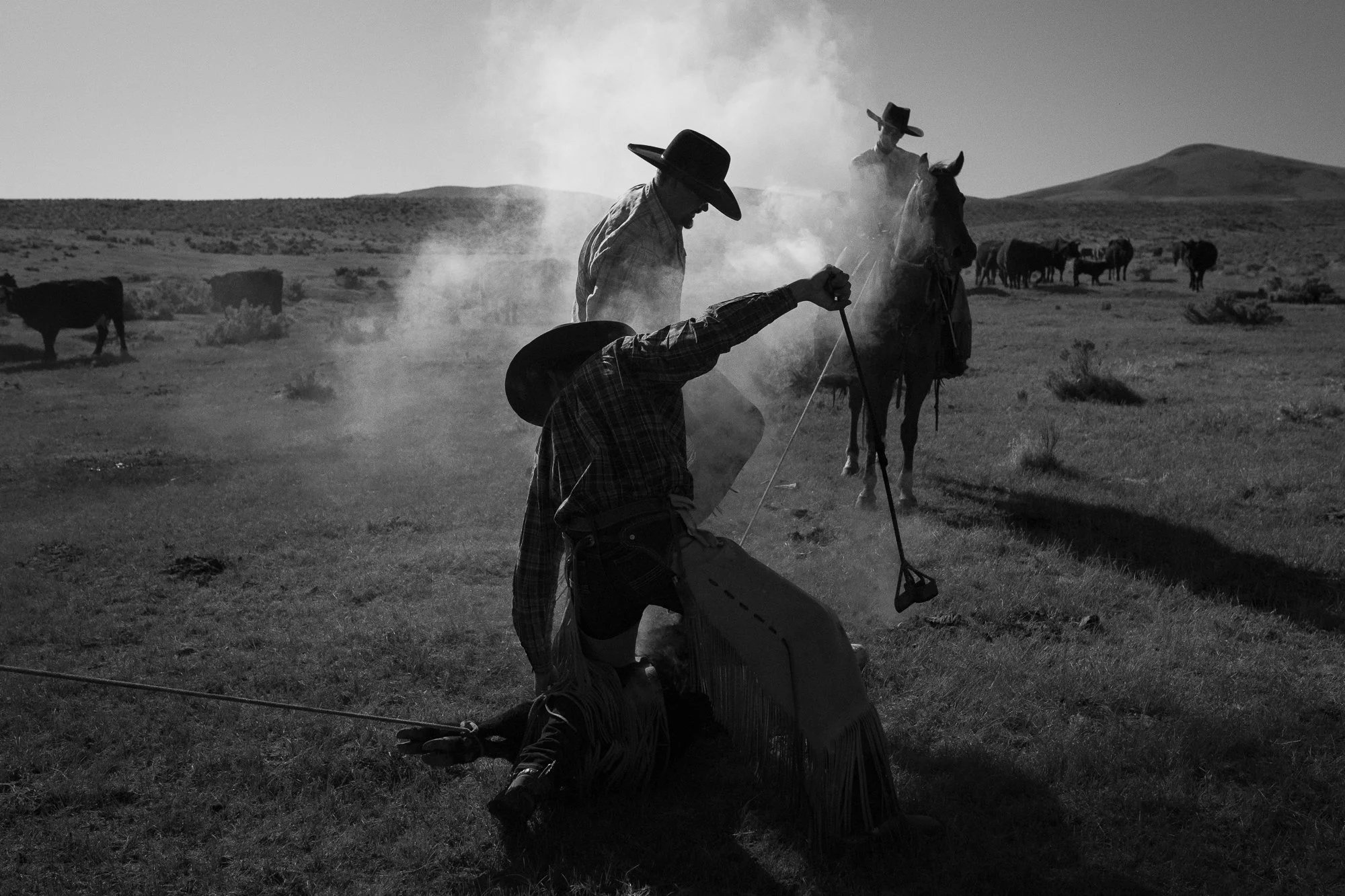
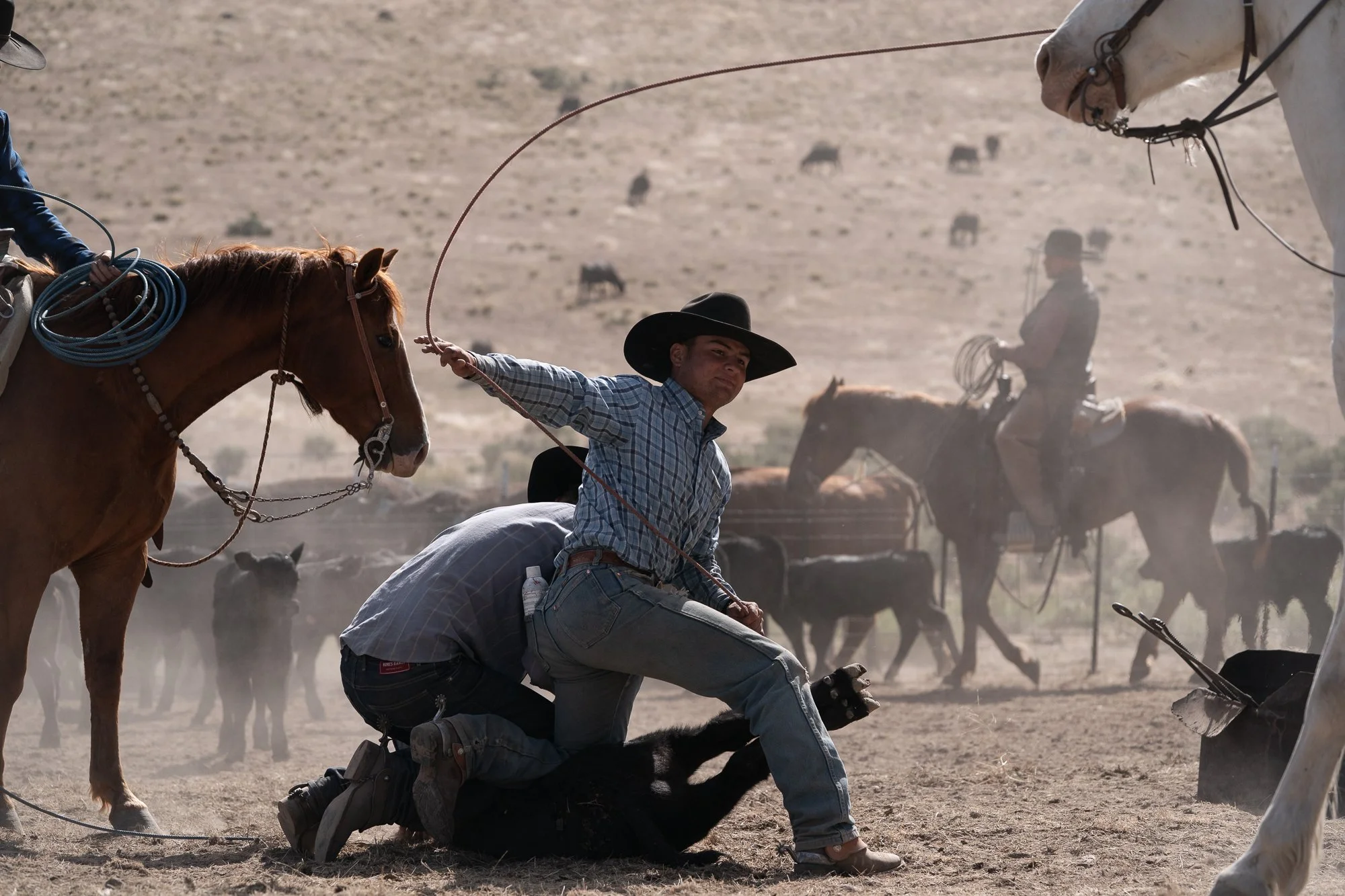
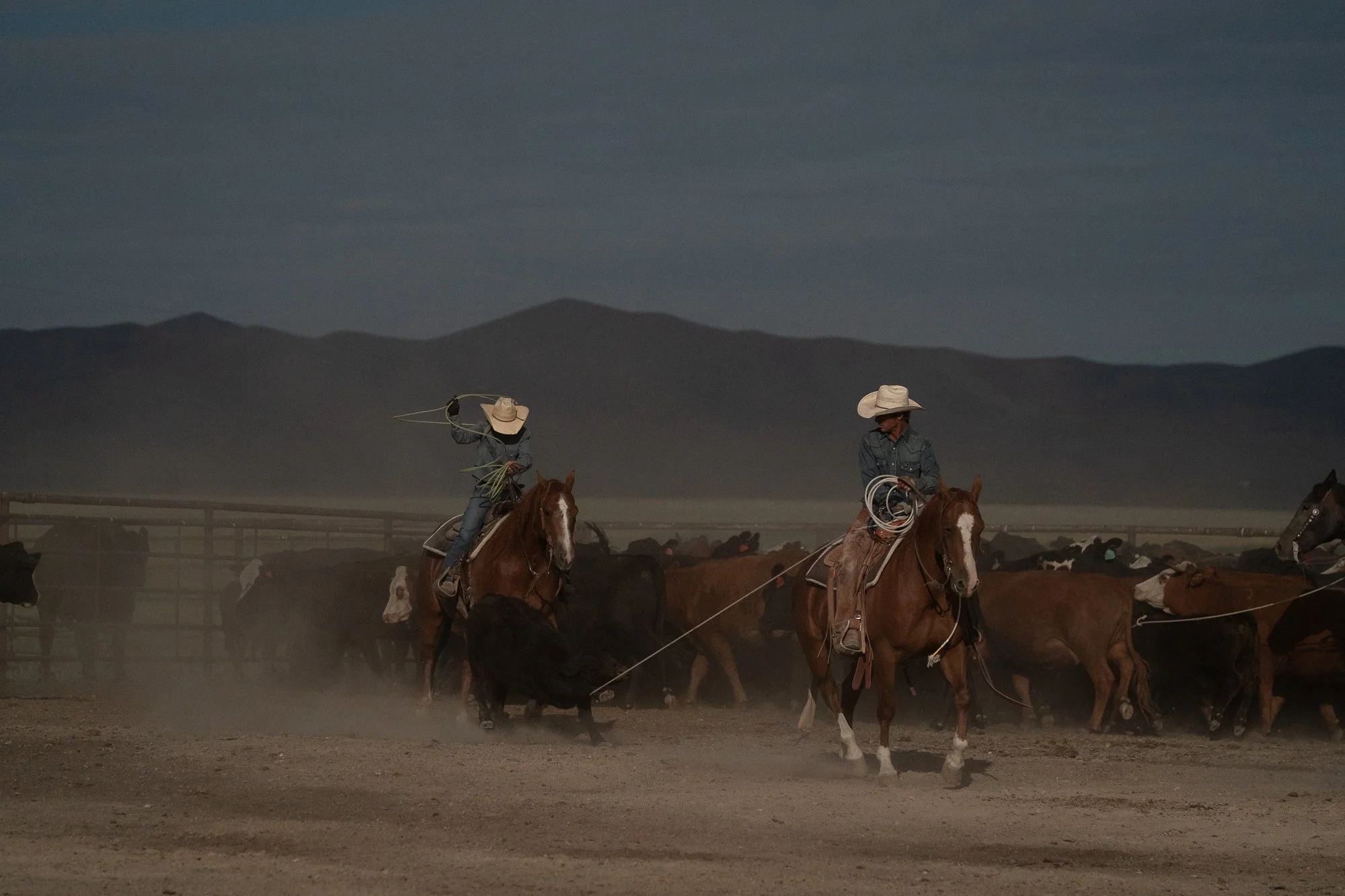
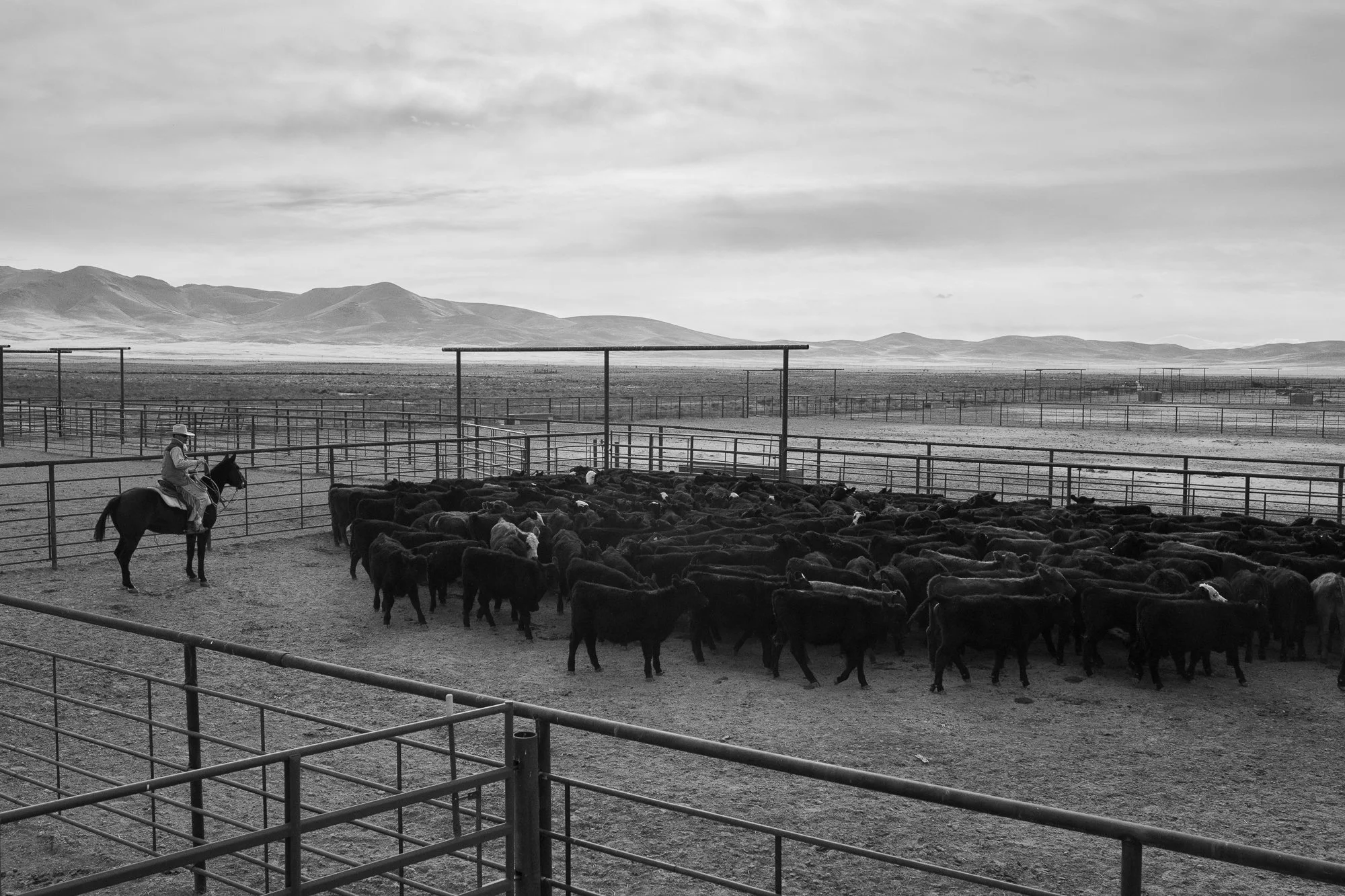
Poster for “Working the West” exhibition featuring cowboys working cattle with gallery details  for Wilson Gallery in Denver, Colorado

Poster for the “Working the West” exhibition at Wilson Gallery in Denver, Colorado, featuring a photograph of cowboys working cattle as part of a larger documentary project.

About the Exhibition at the National Western Center

The exhibition will be held in the Wilson Gallery, a space that has quickly become a focal point for Western art and culture in Denver.

The National Western Center itself is evolving into something more than an event venue. It’s positioning itself as a year-round hub for agriculture, history, and the contemporary West—making it a fitting place for work that sits at the intersection of tradition and modern life.

This particular show brings together a range of photographic perspectives. Some lean toward landscape, others toward portraiture, but all orbit around the same subject: the West as it exists today, not as it’s remembered.

Being included alongside a group of well-known photographers (Anouk Krantz, Jay Dusard, Jim Krantz, and Rob Hammer) adds another layer to the exhibition—not just in terms of visibility, but in how the work is viewed in conversation with others who have spent years documenting similar worlds.

Exhibition poster with date, time, and location details for a Western photography show at the  Legacy Building in Denver, Colorado

A printed graphic listing the date and location for the exhibition at the National Western Center in Denver.

Cowboy Photography as Contemporary Western Art

There’s a tendency to treat cowboy imagery as something fixed in the past. But the reality is that the work hasn’t gone anywhere—it’s just largely out of sight.

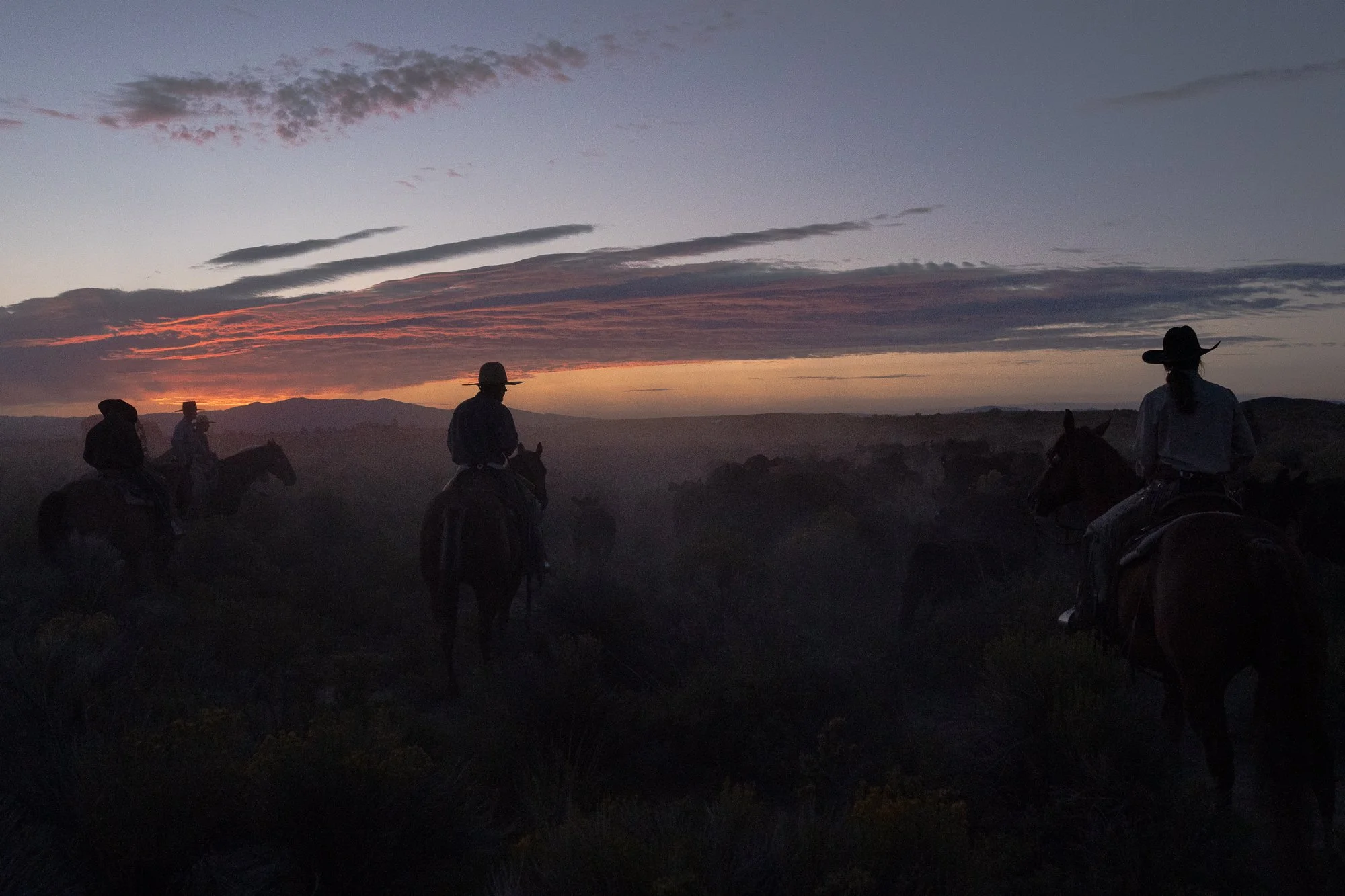
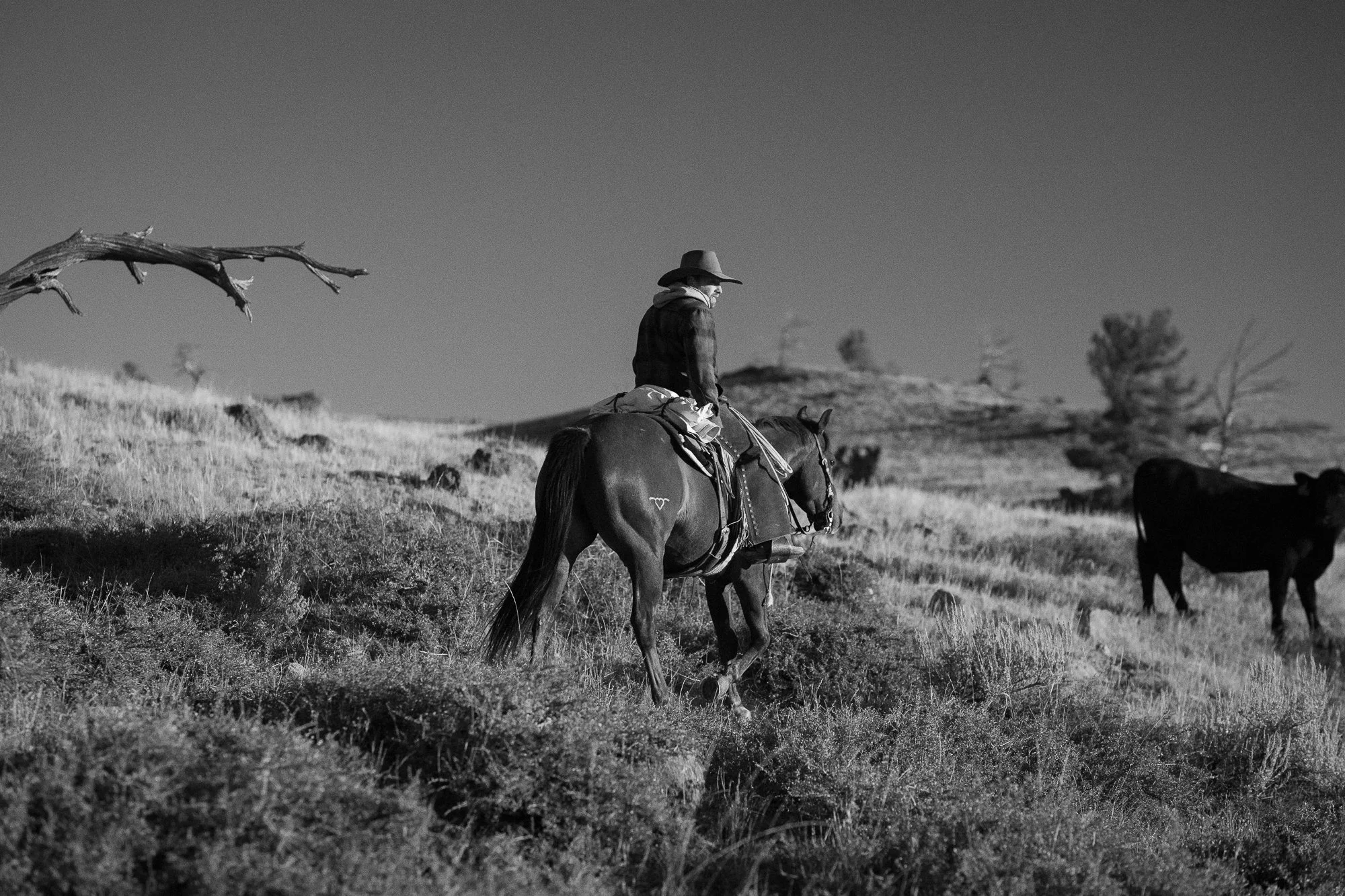
Across the American West, cowboys are still doing the same jobs they’ve done for generations: gathering cattle across vast, rugged pastures, branding, doctoring, etc. The tools have changed in small ways, but the core of the work remains the same.

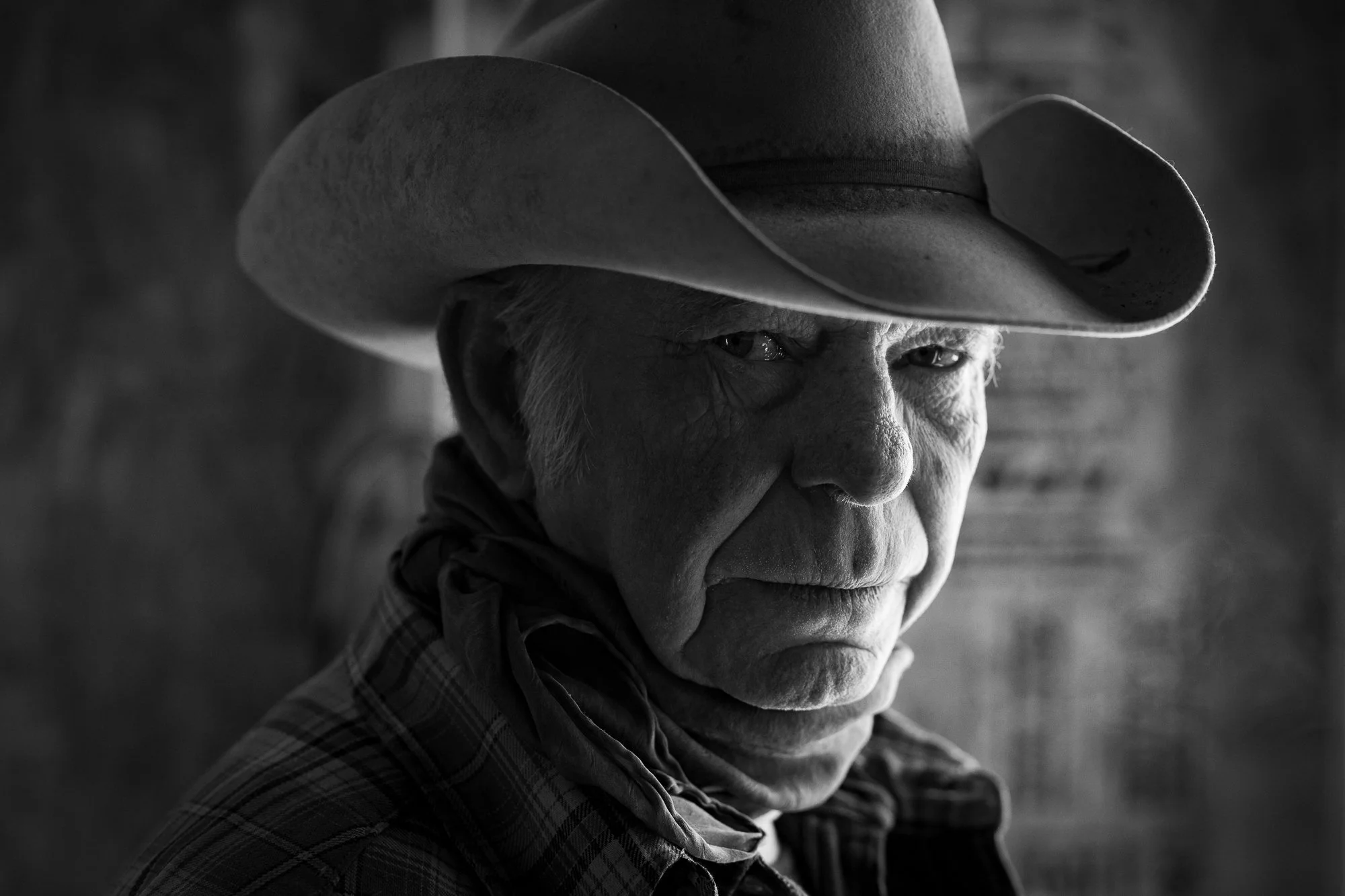
Photographing that world requires access, time, and a willingness to work within it—not around it. The difference shows.

In this context, cowboy photography becomes less about nostalgia and more about documentation. It sits closer to documentary photography than it does to traditional Western art, even if it shares the same visual language.

That shift is subtle, but important—and it’s part of what this exhibition reflects.

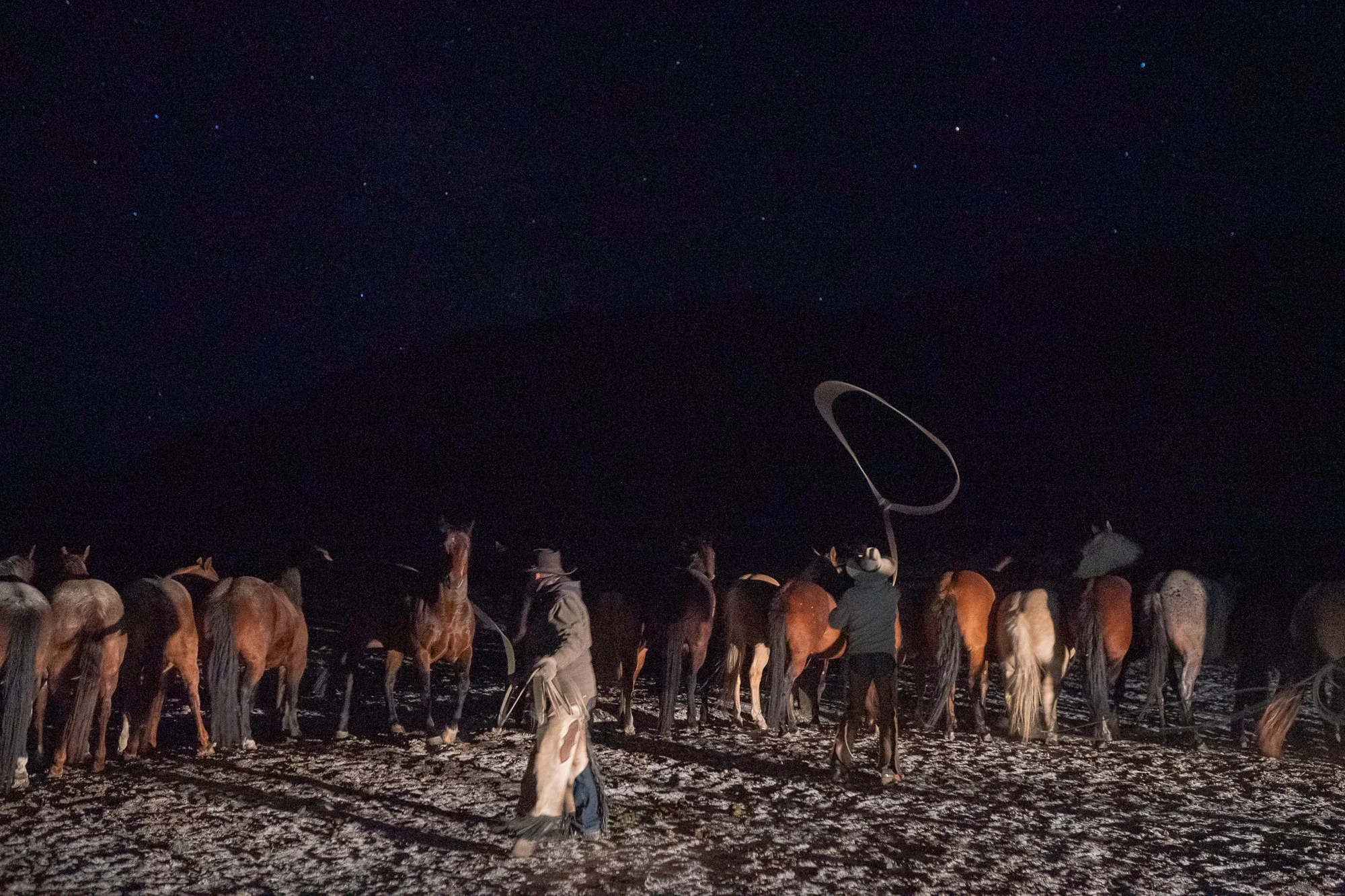
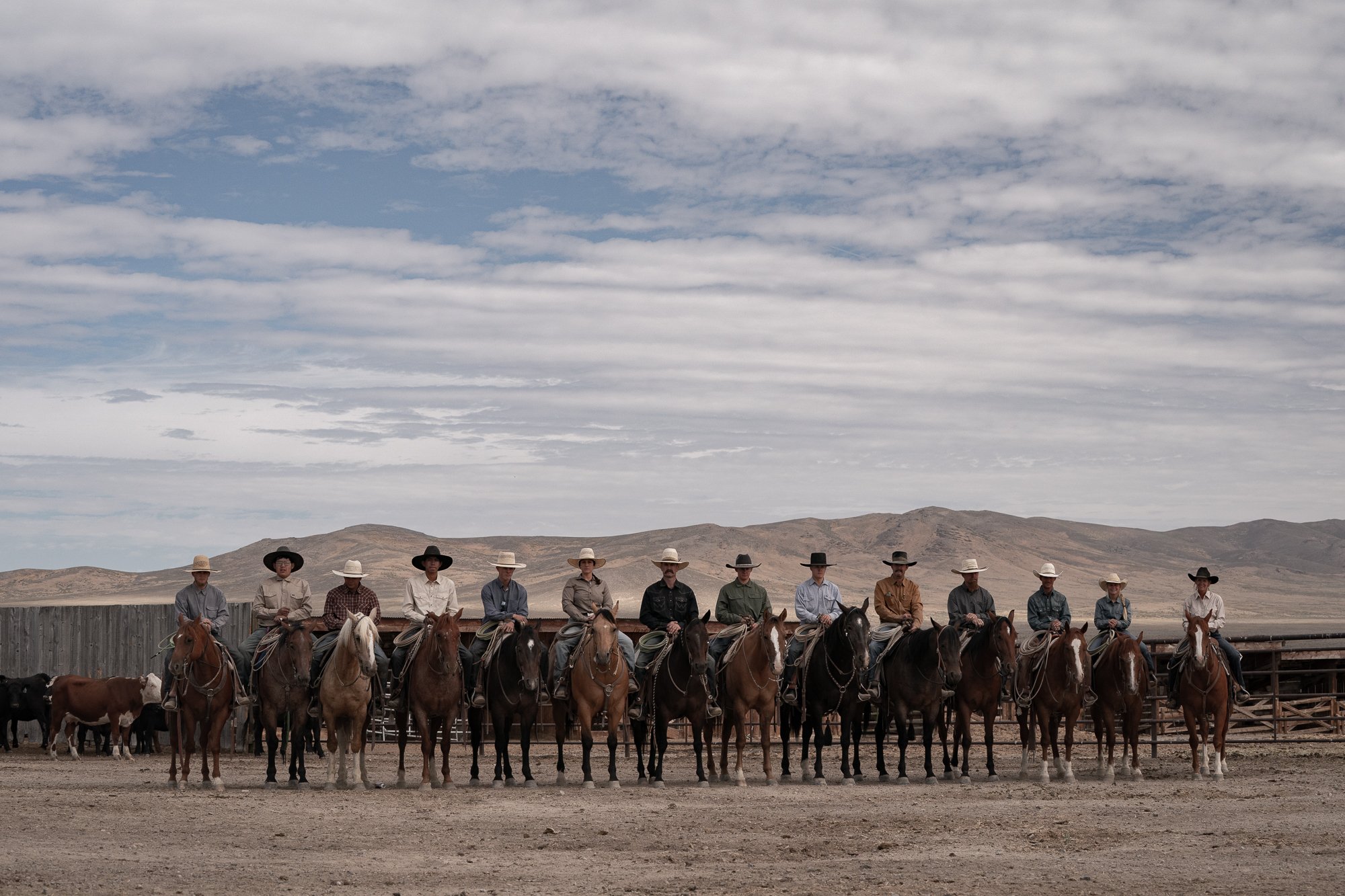
Horses gathered in a line with riders managing them in an open landscape in the  American West

Horses stand grouped in a line while riders move along them, a pause within the ongoing work of managing animals across open range.

Photographs from the Exhibition

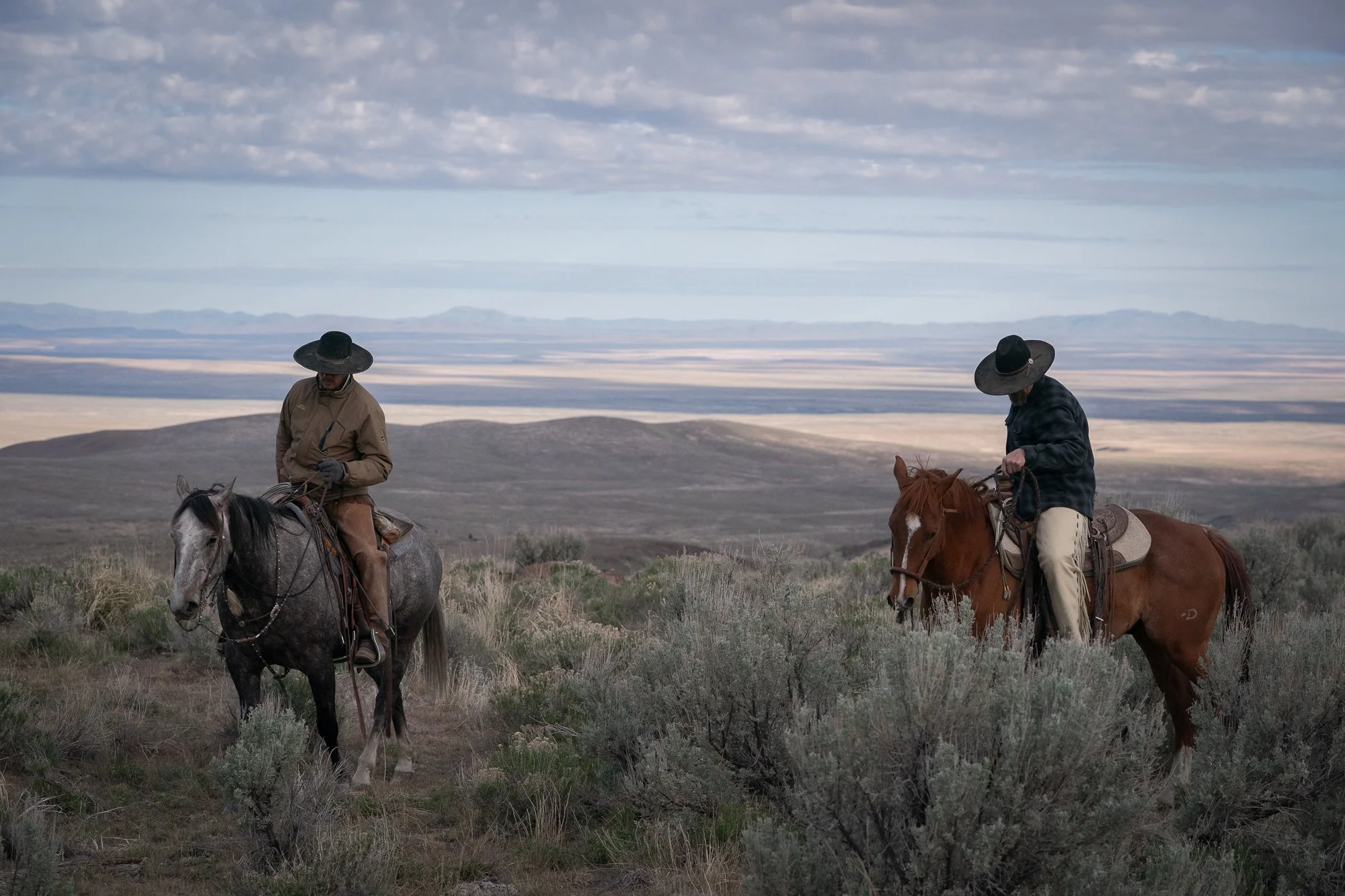
The photographs included in this show come from a long-term body of work made across ranches in Texas, Nevada, Arizona, Wyoming, Oregon, Colorado, and Montana.

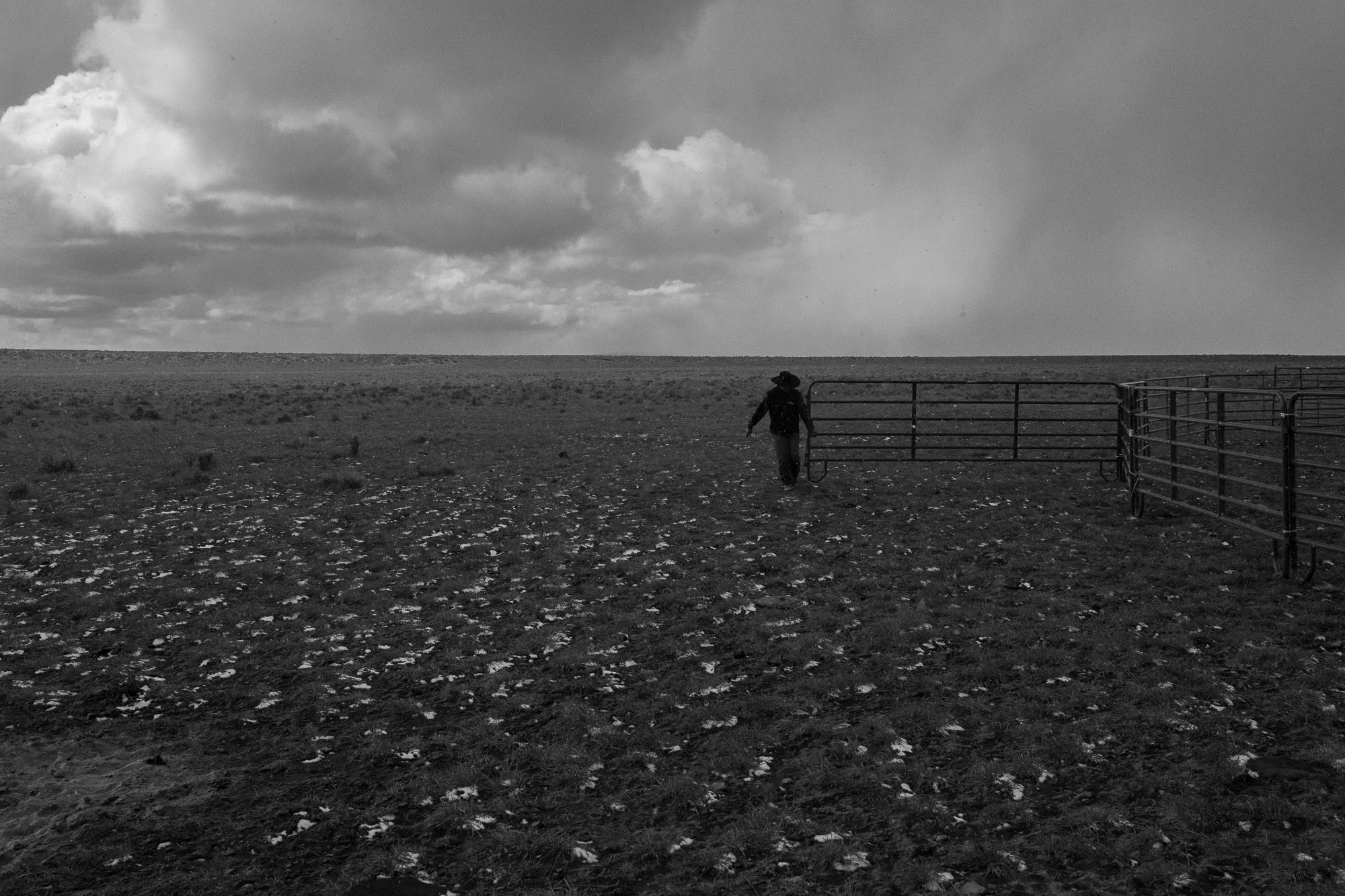
Rather than isolating dramatic moments, the focus is often on the in-between. These are not staged scenes. They’re fragments of a larger rhythm—one that repeats itself day after day, season after season.

Over time, those moments begin to add up to something more complete: a picture of a way of life that continues largely unchanged, despite the pace of everything around it.

Visiting the Exhibition in Denver

For those in Denver—or passing through—the exhibition offers a chance to see this work in person, outside of a tiny screen or a printed page.

Location: National Western Center
Gallery: Wilson Gallery
Building: Legacy Building

Dates: May 14, 2026 through the middle of July

Seeing the photographs at scale changes the experience. Details that are easy to miss online—subtle expressions, textures, the quality of light—become much more apparent. Come see the work as photographs are meant to be enjoyed, on large fine art paper.

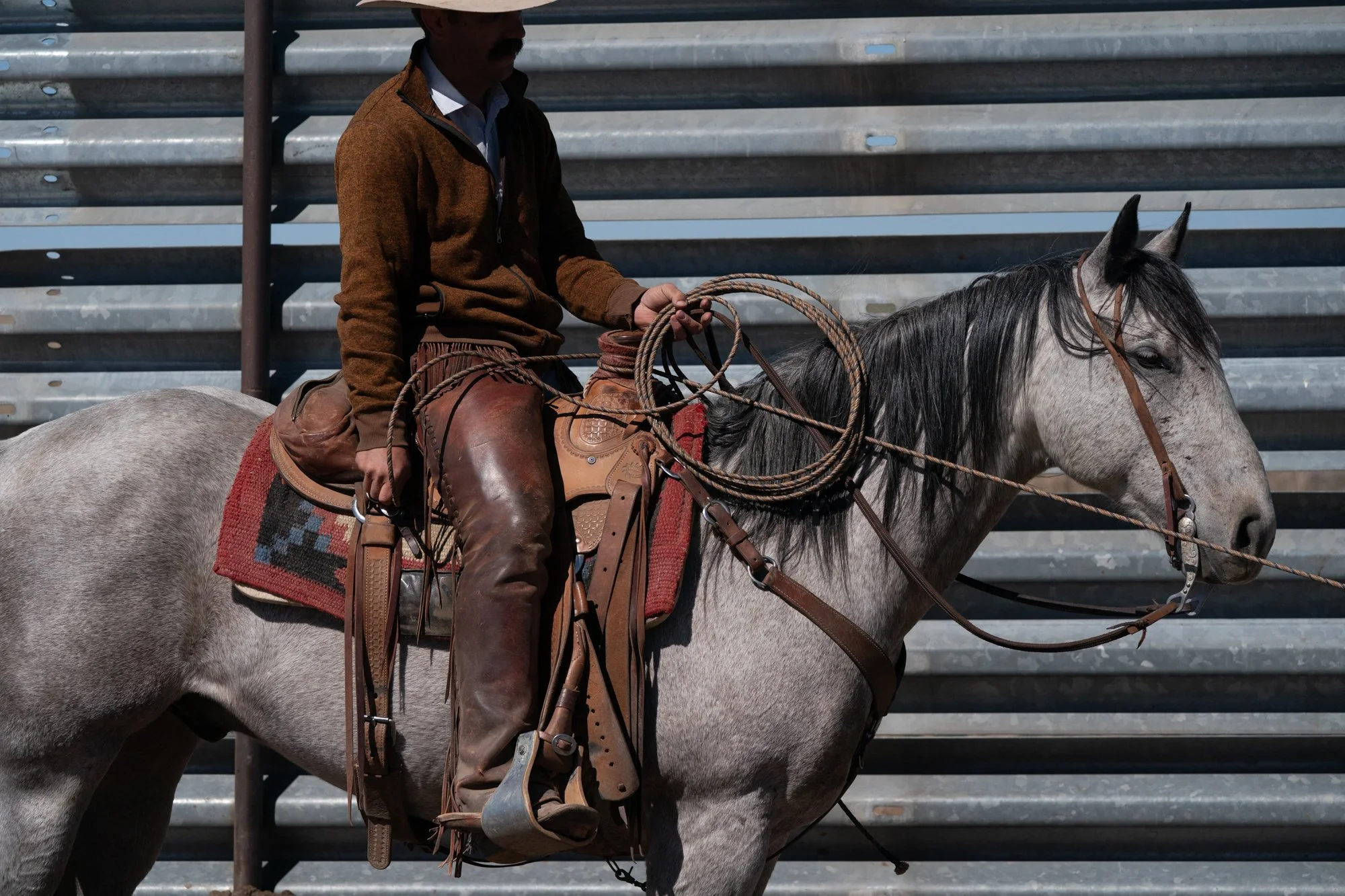
Cowboy on horseback swinging a rope while working cattle in an open landscape in the  American West

A cowboy swings a rope from horseback while working cattle, one of the repeated movements that make up daily ranch work across the American West.

Part of a Larger Body of Work

This exhibition is one piece of a much larger project documenting working cowboys across the American West.

Over the past several years, that work has involved traveling tens of thousands of miles, spending extended time on remote ranches, and building relationships that allow for real access—not just to the work itself, but to the people behind it.

The goal has never been to romanticize the subject, but to show it as it is: demanding and deeply tied to the land.

If you’re interested in seeing more from the series, you can explore the full body of work here:
View the Cowboy Photography Project

A selection of photographs from the project is also available as fine art prints:
View Available Cowboy Photography Prints

For editorial, commercial, or brand licensing inquiries, contact me directly:
Licensing & Assignment Work

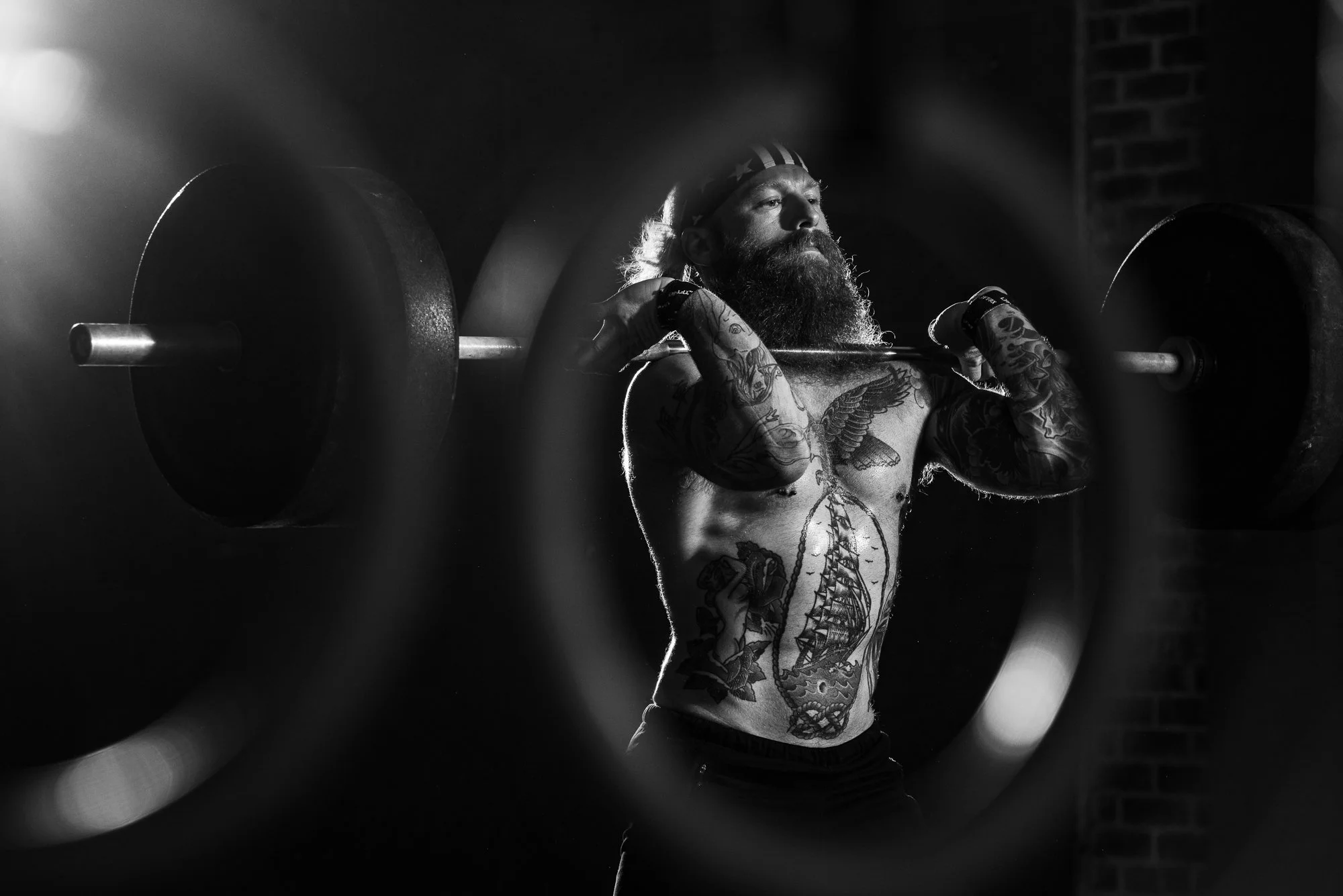
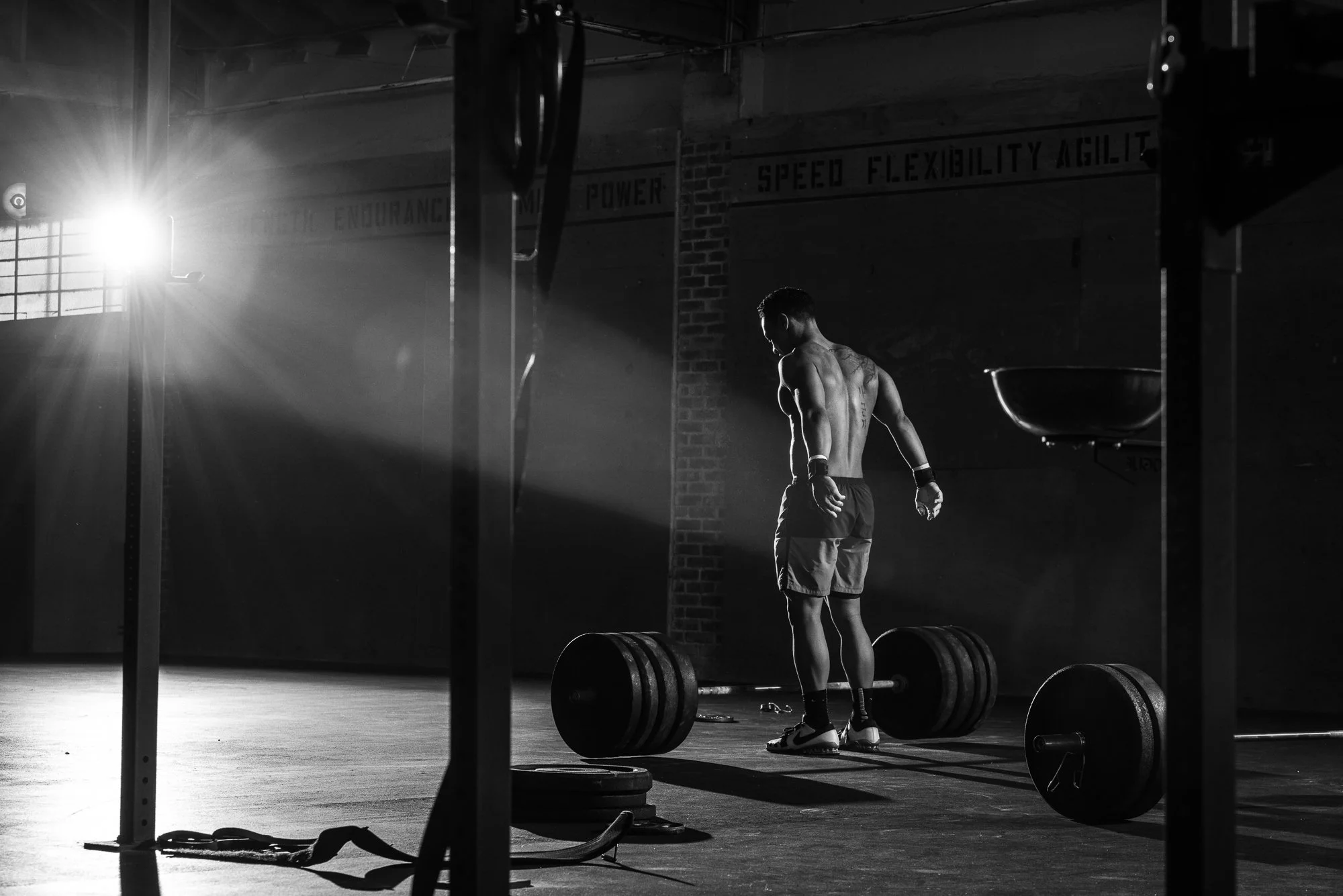
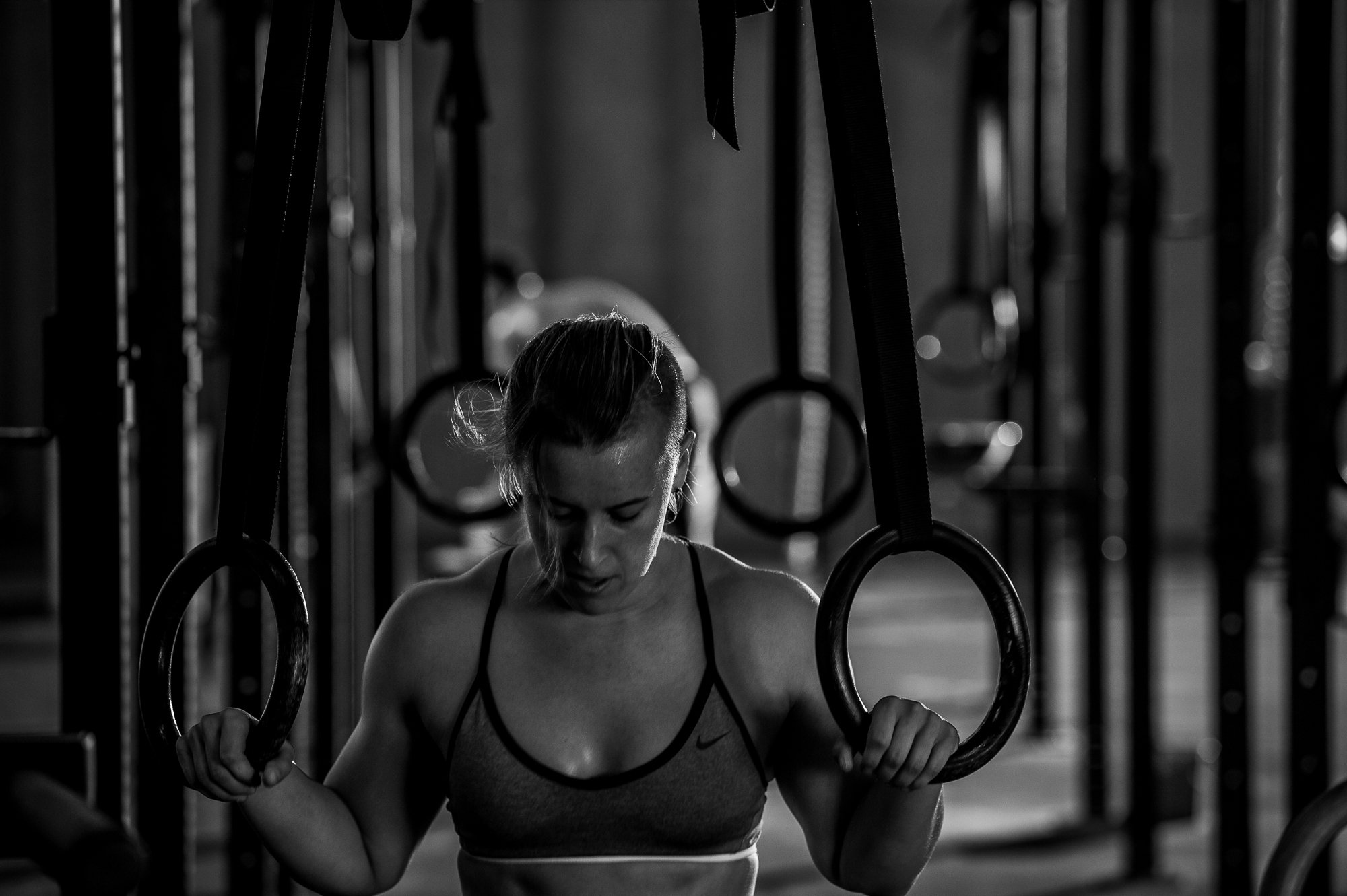
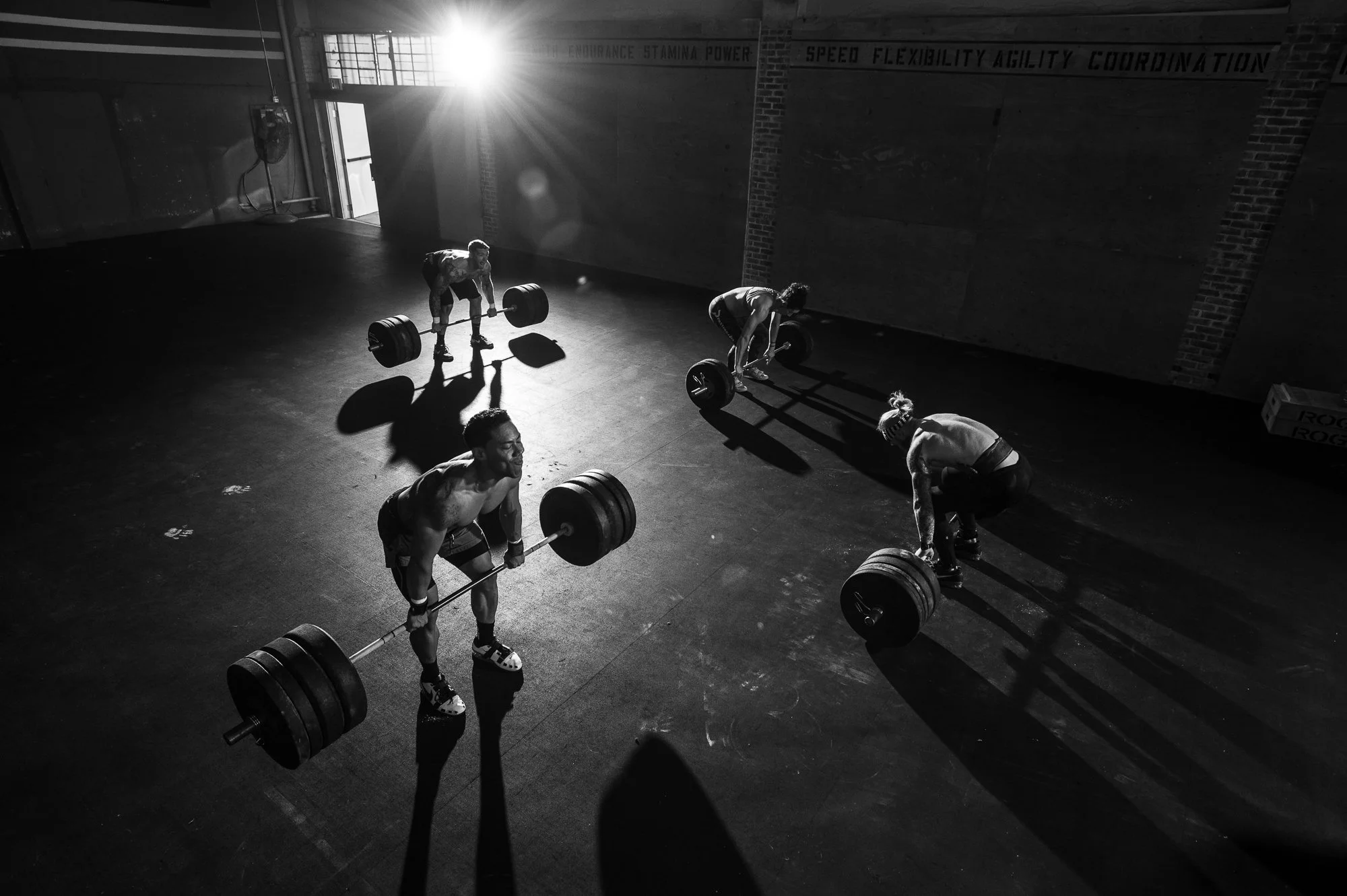
Photographing Real Fitness Athletes in Colorado

Real Athlete Fitness Photography in Colorado

Most fitness photography looks the same.

Clean gym floors. Posed movements that feel more like demonstrations than actual training. It works for certain campaigns, but it rarely reflects how athletes really move, train, or push themselves day to day.

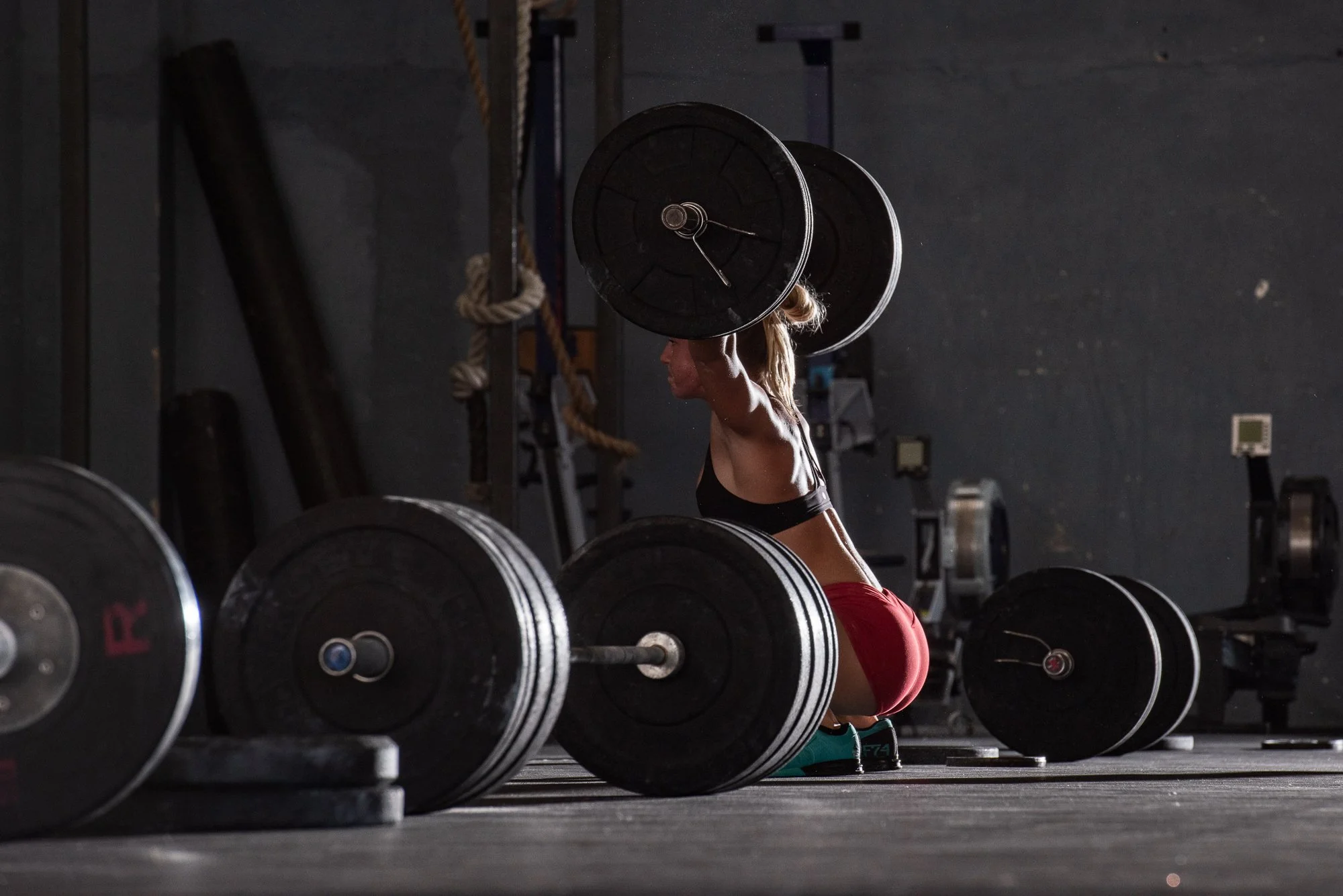
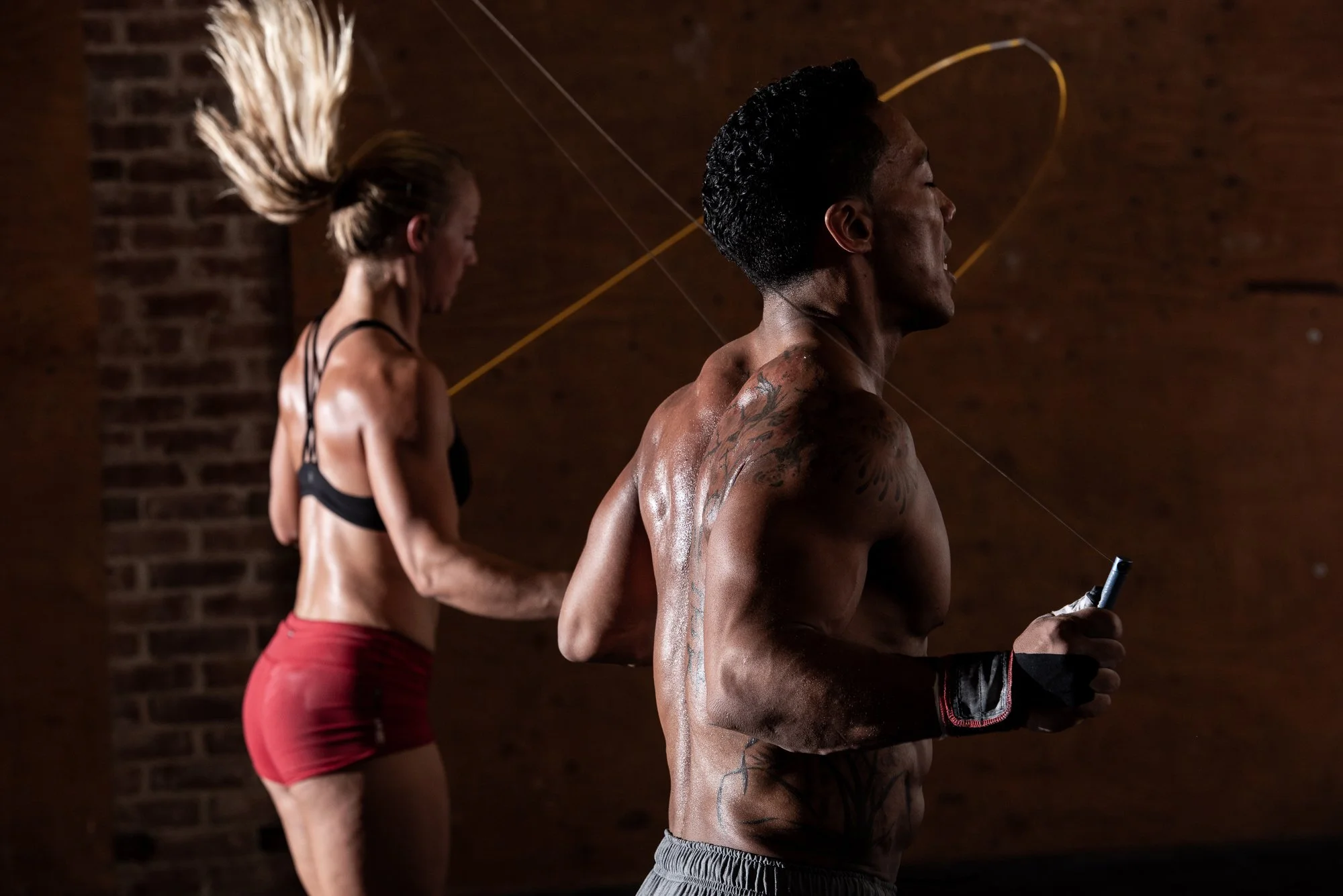
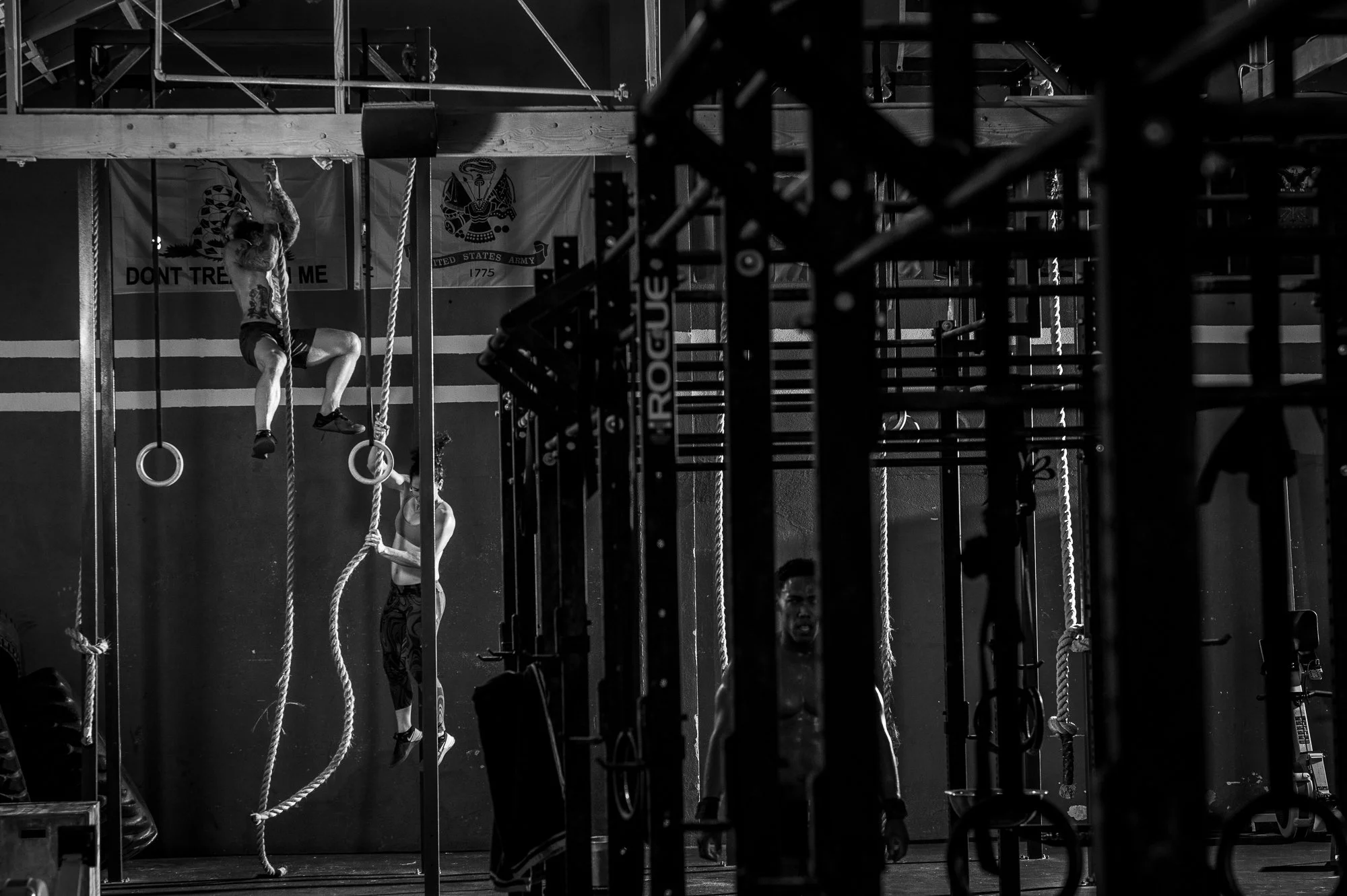
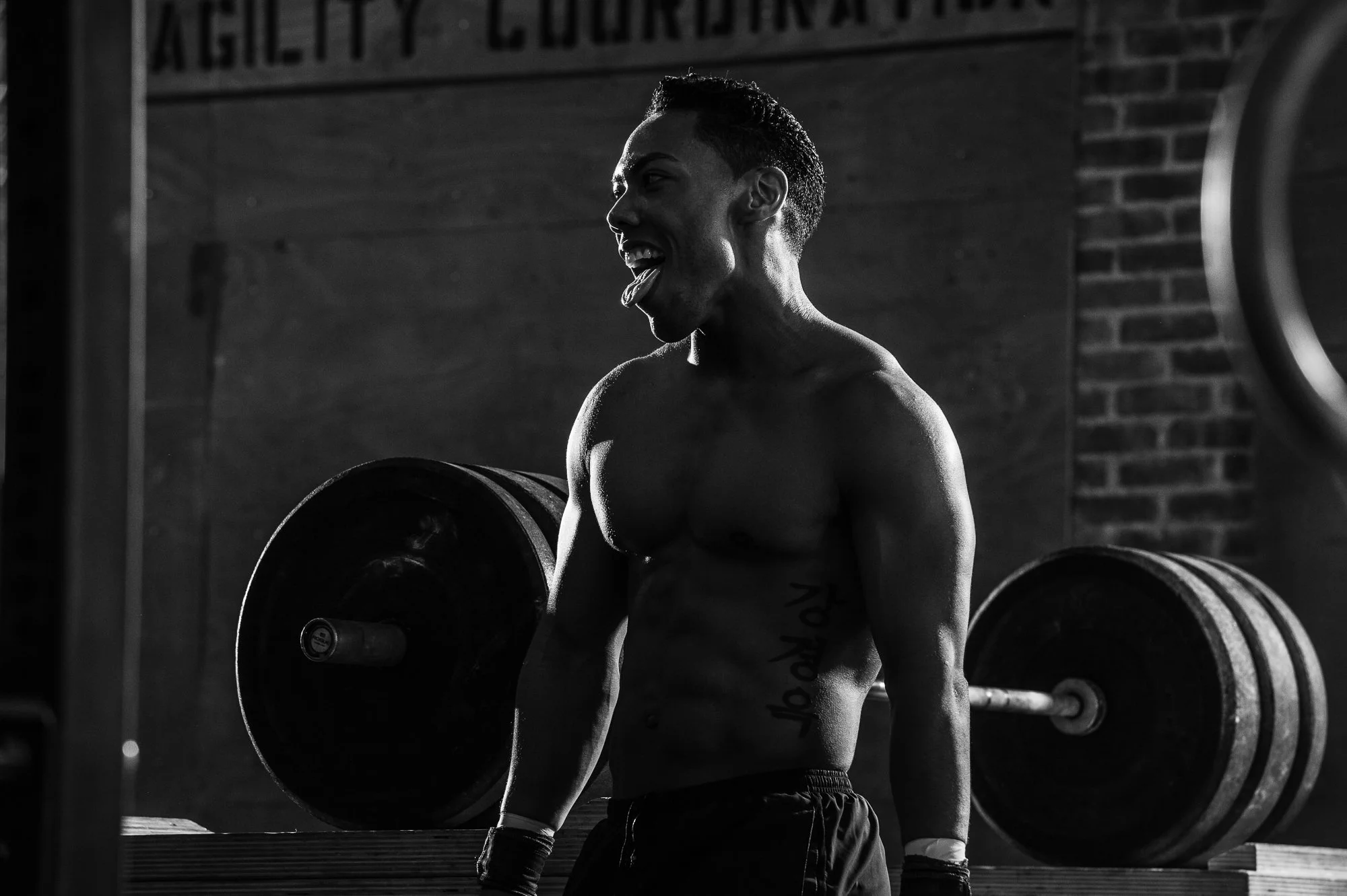
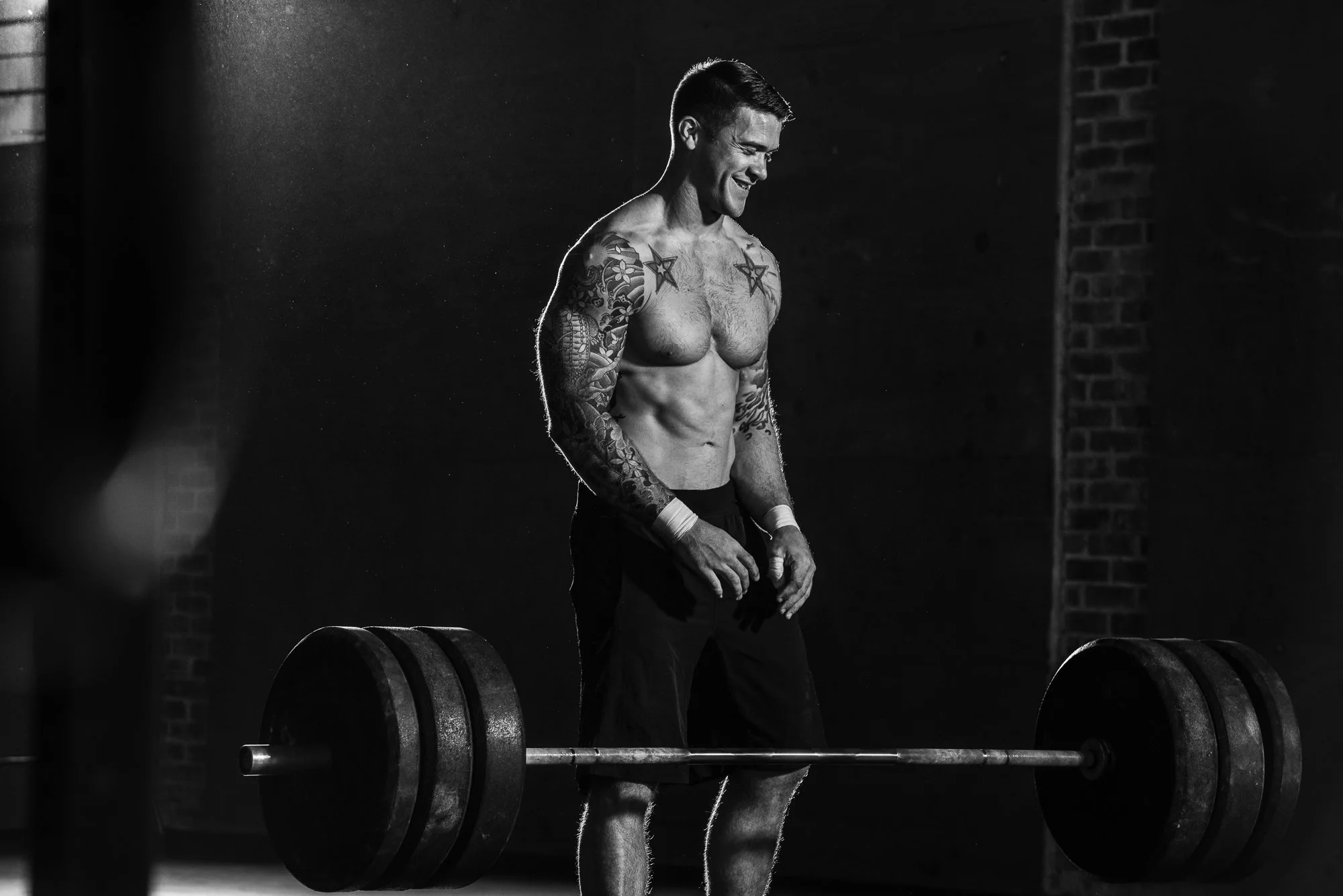
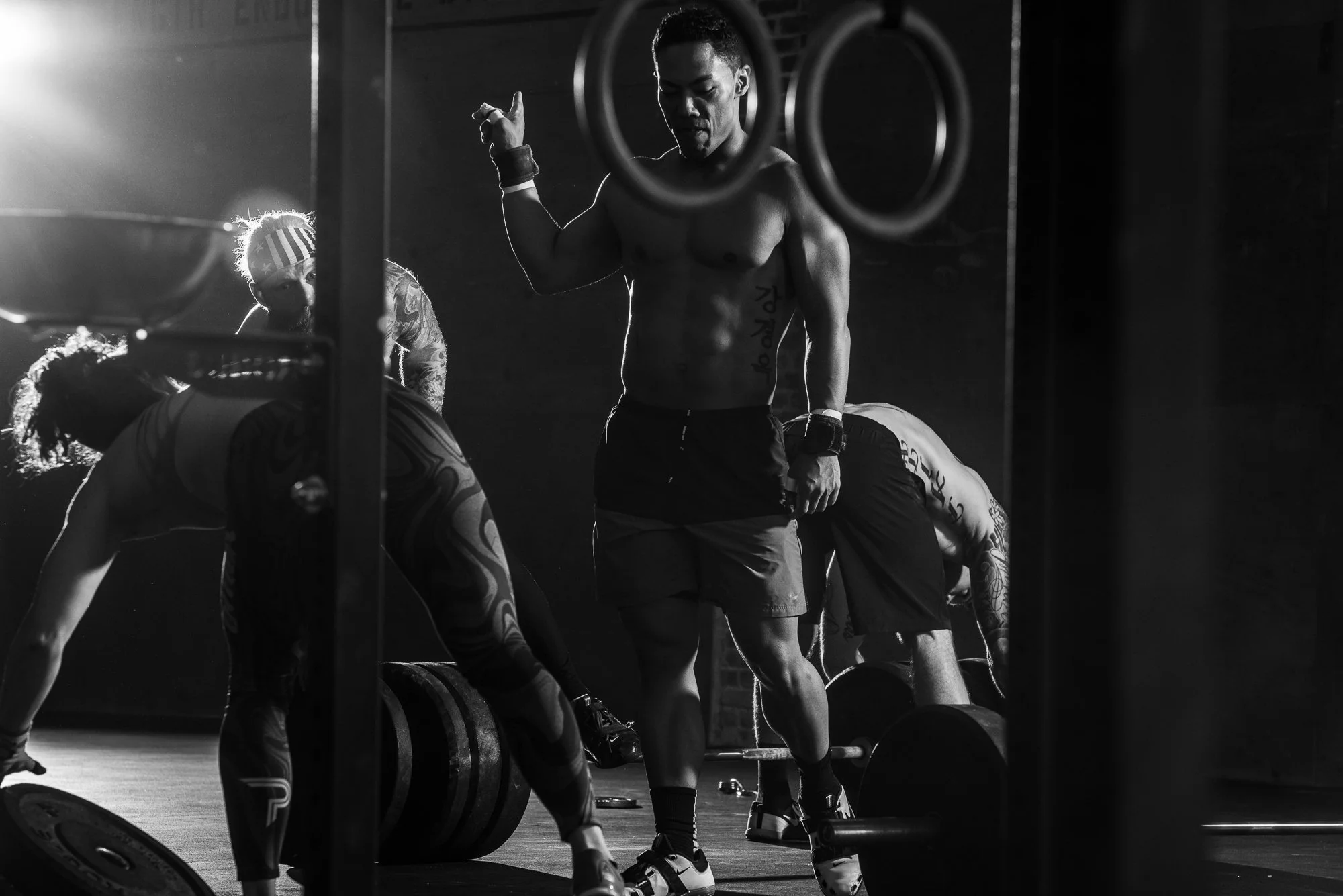
The work shown here comes from a different approach—photographing real athletes in the middle of real training sessions. No overproduction. Just movement, effort, and the environment as it exists.

Shot in Colorado, this session is part of an ongoing body of work focused on authentic fitness and active lifestyle photography for brands, athletes, and companies that want something more grounded.

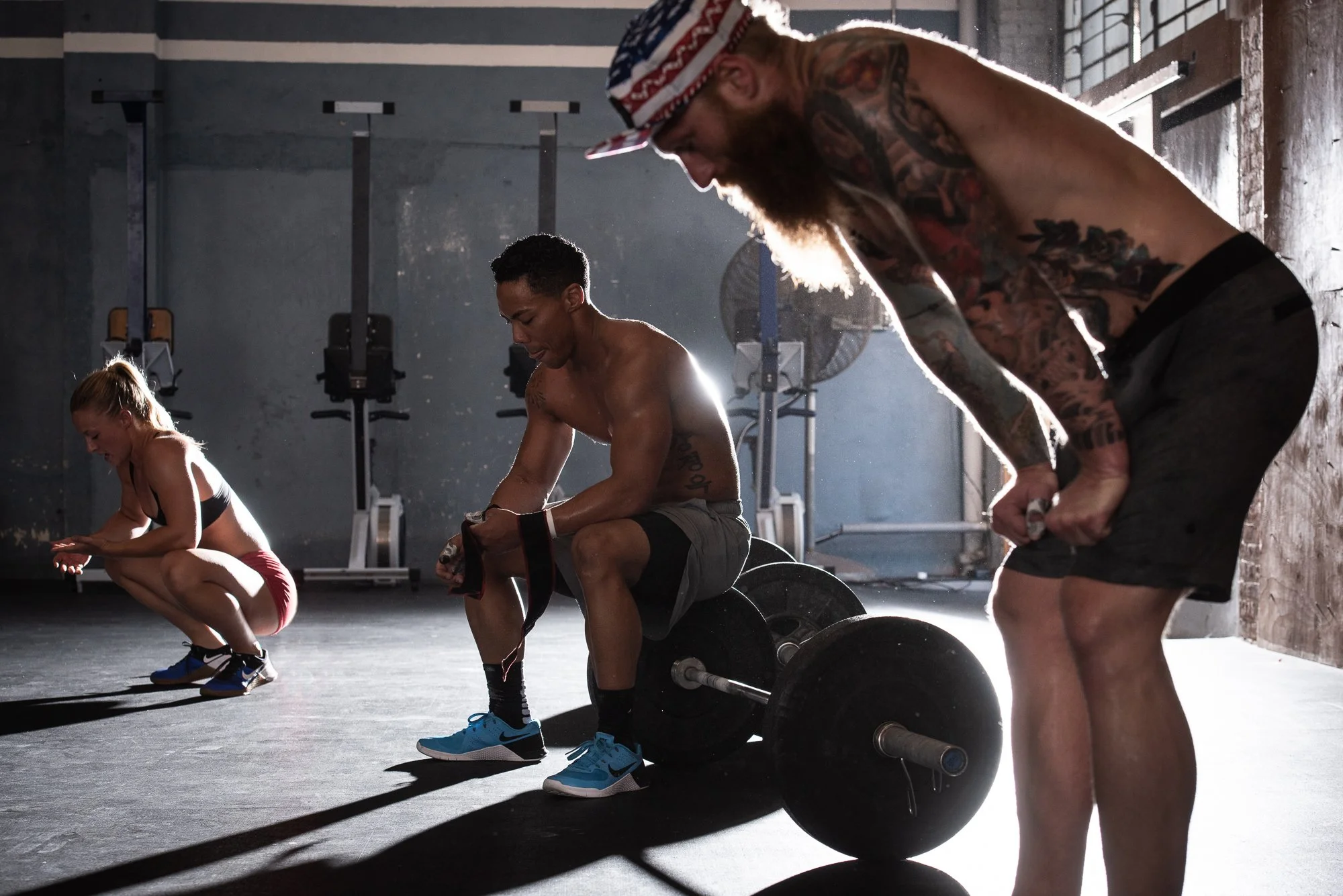
Athlete sits on a wooden box in a Colorado gym changing shoes, with training equipment and  weights around him

An athlete changes his shoes before a training session at a gritty gym

Built Around Real Training, Not Staged Moments

There’s a noticeable difference between directing an athlete into a pose and documenting them while they’re actually working.

In a real training environment:

  • movements aren’t perfect

  • timing isn’t predictable

  • fatigue becomes part of the visual story

That’s where the strongest images tend to come from.

Instead of stopping and resetting between reps, the goal is to stay with the athlete as the session unfolds—capturing the moments that would normally be missed in a more controlled shoot.

Athlete loads a weight plate onto a barbell in a Colorado gym, surrounded by ropes and  strength equipment

A plate slides onto the bar as the session continues, with no pause between movements in a Colorado training space.

Letting the Environment Do the Work

Real gyms naturally lends themselves to this kind of photography.

Whether it’s a garage gym, a CrossFit space, or an outdoor training setup, the environment becomes part of the frame—not something to be cleaned up or removed.

Concrete floors, worn equipment, chalk in the air, changing light throughout a session—these details add context and make the images feel real. They also give brands something they can’t replicate in a studio.

Athlete steps back from a barbell setup in a Colorado gym, surrounded by racks and ropes

The bar remains in the rack as position resets between attempts, part of the natural pacing of a training session in Colorado.

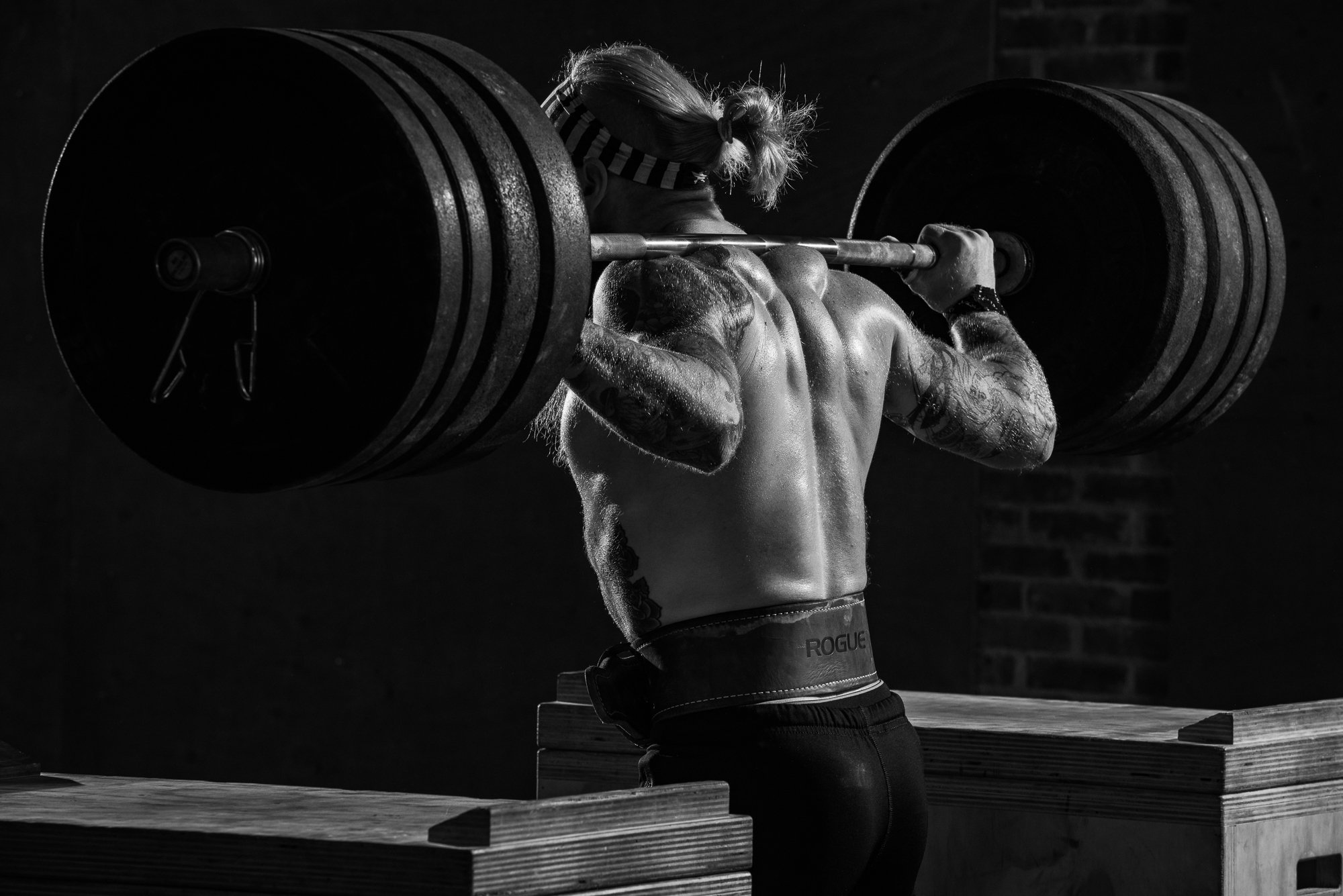
Athlete performs a heavy back squat with a loaded barbell in a Colorado training gym

A heavy squat settles at the bottom, the weight held across the shoulders during a working set in Colorado.

Using Strobes to Match Real Environments

While the goal is to keep these sessions grounded in real training, lighting still plays an important role.

These images were lit with strobes to create a more dramatic, high contrast look. Still though, the intention is to shape and enhance what’s already there, not replace it.

In fast-moving training sessions, strobes allow for:

  • freezing motion at peak intensity

  • maintaining consistency across changing conditions

  • adding depth without flattening the scene

The key is restraint. The light is built to feel like it belongs in the space—whether that’s a gym, garage, or outdoor setup—so the final images still reflect how the session actually felt.

Athlete sits on a wooden box drinking water during a workout in a Colorado gym

A short break between efforts, sitting with a bottle in hand before the next set begins in a Colorado gym.

Athlete stands over a loaded barbell preparing for a deadlift in a Colorado gym

The bar rests on the floor as position is set before the next pull, part of an ongoing training session in Colorado.

Movement First, Everything Else Second

The priority in this type of shoot is always movement.

Not the perfect frame. Not the cleanest composition. The movement itself.

That means working through:

  • fast, unpredictable sequences

  • partial moments instead of full poses

  • imperfect but honest frames

Over time, that approach builds a set of images that feel connected to each other—like they came from a real session, not a series of isolated setups.

Athlete lifts a loaded barbell from the ground during a deadlift in a Colorado gym, viewed  from behind

The bar rises from the ground, back and shoulders tightening as the lift moves through in a Colorado gym.

Athlete jumps onto stacked wooden boxes in a Colorado gym during a training session

An athlete doing box jumps during a training session at a Denver, Colorado gym.

Fitness and Active Lifestyle Photography in Colorado

This session is part of a broader body of work photographing athletes, brands, and outdoor fitness environments across Colorado.

If you're looking for photography that reflects how people actually train—whether for a campaign, brand shoot, or editorial project—you can view more here:

Denver Fitness and Active Lifestyle Photographer
View more fitness photography from another training session

Athlete presses kettlebells overhead in a Colorado gym while standing inside a rack

Kettlebells reach full extension overhead, finishing the movement at the top of a working set in Colorado.

Athlete lifts two kettlebells from a low position in a Colorado gym, showing visible strain

Kettlebells move upward from a low position, effort visible through the strain of the lift in a Colorado gym.

A More Realistic Direction for Fitness Imagery

There’s a shift happening in how brands approach fitness photography.

Less emphasis on perfection. More emphasis on authenticity.

Not because it’s trendy, but because audiences can tell the difference.

Real training environments. Real effort. Real moments.

That’s where the work becomes more useful—not just visually, but commercially.

Athlete pushes a weighted sled across pavement in an outdoor Colorado training area

A weighted sled moves across pavement, driven forward step by step during outdoor training.

Athlete throws a medicine ball upward against a wall in an outdoor Colorado training area

An athlete doing heavy ball throws in an alley outside a gym

Avenue Barbershop

Avenue Barbershop, Austin — A Tradition That Refuses to Fade

There are barbershops that lean into nostalgia, and then there are barbershops that never left it behind in the first place. Avenue Barbershop in Austin, Texas belongs firmly in the second category.

Opened in 1933, this shop has outlived trends, neighborhoods, and entire eras of American culture. What’s remarkable isn’t just that it’s still here — it’s that it hasn’t tried to reinvent itself to stay relevant. It hasn’t needed to.

Barbers work throughout Avenue Barbershop in Austin, Texas

Barbers work throughout Avenue Barbershop as posters and framed photos cover the walls.

A Uniform That Says Everything

Walk through the door and one of the first things you notice is the consistency. Every barber is dressed the same: black shoes, black pants, white dress shirt, black tie. No variations, no personal branding, no modern reinterpretations.

It’s not a costume. It’s a standard.

And in a time where so many shops are built around individuality and aesthetic, there’s something quietly powerful about that uniformity. It reinforces the idea that this place is about the work — not the persona behind the chair.

Barbers work along a row of chairs inside Avenue Barbershop in Austin, Texas

Barbers in white shirts and black ties work along a row of chairs as customers sit in front of the mirrors.

A Shop That Stayed the Course

Avenue Barbershop has been cutting hair in Austin since long before the city became what it is today. Before the tech boom, before the influx, before “Austin” became a brand in itself.

What’s interesting is that the barbers working there today — guys in their 30s and 40s — have chosen to carry that legacy forward without trying to modernize it into something else.

There’s no attempt to blur the line between barbershop and lifestyle boutique. No curated retail wall. No forced nostalgia.

Just a room built around the fundamentals: chairs, mirrors, tools, and the understanding that if you do the work right, that’s enough.

Black boots rest on the footrest of a barber chair inside Avenue Barbershop

Black biker boots rest on the footrest of a barber chair—details that repeat across each station in the shop.

The Value of Restraint

There’s a discipline to a place like this.

It would be easy to update the look, to lean into trends, to capitalize on the current wave of barbershop culture that mixes vintage aesthetics with modern branding. But Avenue doesn’t chase any of that.

Instead, it holds the line.

That restraint is what gives the shop its weight. It doesn’t feel like a reinterpretation of the past — it feels like a continuation of it.

A barber holds up a mirror as a customer looks at his haircut inside Avenue Barbershop in Austin, Texas

A barber holds up a mirror so the customer can see the back of his haircut at a neighborhood barbershop in Austin, Texas.

Exterior storefront of Avenue Barbershop in Austin Texas with vintage signage and red chairs outside on South Congress

The storefront of Avenue Barbershop in Austin, Texas, a longstanding neighborhood institution on South Congress known for its classic approach and timeless style.

A Living Piece of American Craft

Barbershops like Avenue aren’t just businesses. They’re part of a larger story about skilled labor in America — trades that have been passed down, refined, and preserved over time.

The details matter here:

  • The way a haircut is approached without shortcuts

  • The rhythm of the shop throughout the day

  • The quiet understanding between barber and client

These are things that don’t show up on a price list or a website, but they’re what keep people coming back.

A haircut in progress at Avenue Barbershop in Austin, Texas, where a new generation of barbers carries forward a tradition that dates back to 1933.

Conversation in progress at Avenue Barbershop in Austin, Texas, where a new generation of barbers carries forward a tradition that dates back to 1933.

A man sits in a barber chair laughing inside Avenue Barbershop

A customer laughs in the chair while the barber stands beside him.

Part of a Larger Body of Work

This shop is one of many I’ve documented over the past 15+ years photographing barbershops across the United States — from small-town single-chair shops to historic spaces like this one that have stood the test of time.

The goal has never been just to document interiors, but to preserve the feeling of these places — especially as so many of them disappear or evolve into something else entirely.

View the full Barbershops of America project
Read another story from a classic American barbershop

Shop the barbershop photography book and prints

A Coca-Cola machine stands against the wall beside framed photos and posters inside Avenue Barbershop in Austin, Texas

A vintage Coca-Cola machine stands against the wall beside framed photos and posters at Avenue Barbershop in Austin, TX.

Customers sit along the wall in the waiting area inside Avenue Barbershop in Austin, Texas

Customers sit along the wall as others get their hair cut across from them.

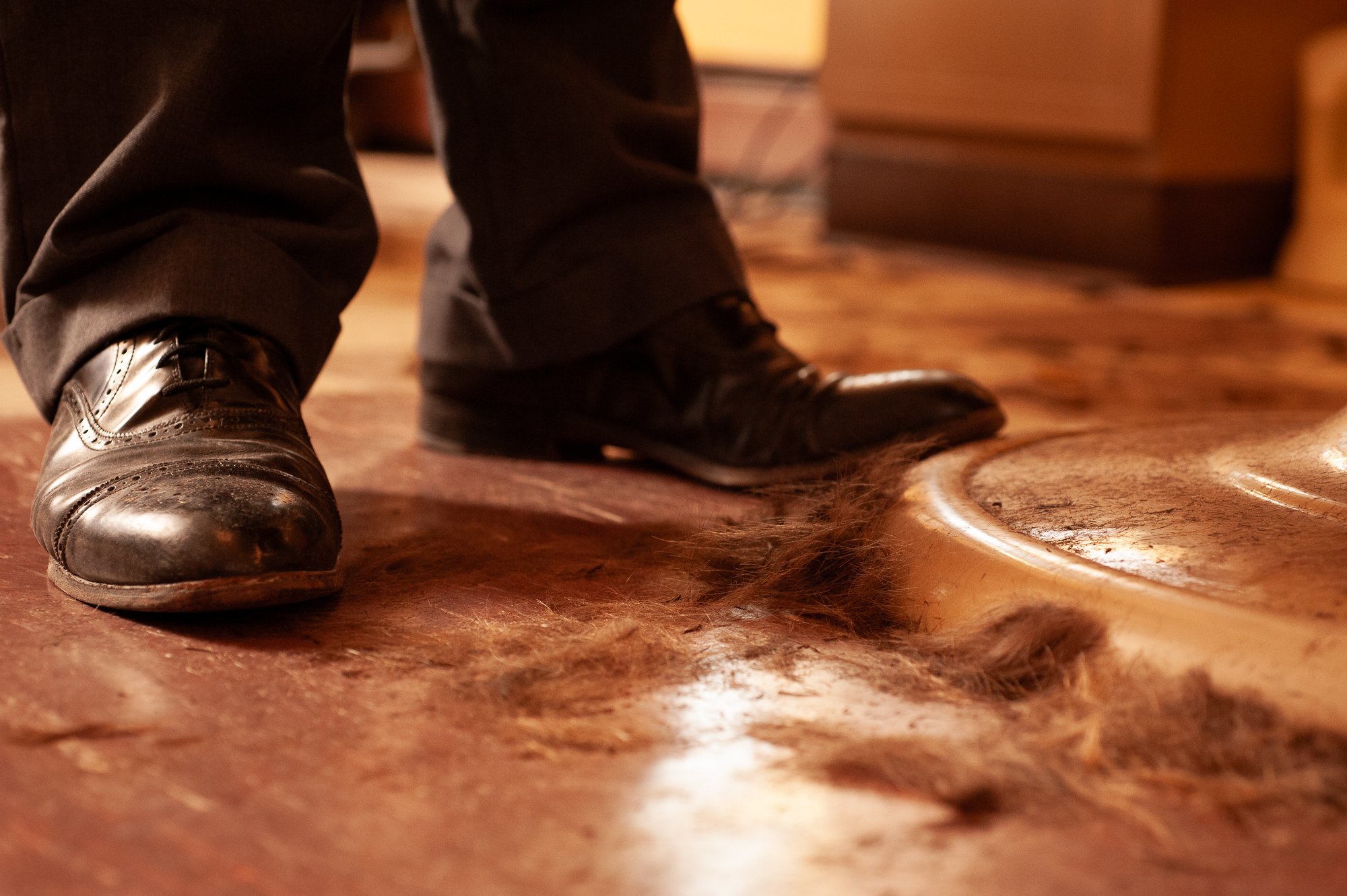
A barber sweeps the floor between chairs inside Avenue Barbershop

A barber sweeps the floor between the chairs—part of the daily rhythm inside the shop.

WINTER FLY FISHING PHOTOGRAPHY

Winter Fly Fishing on Clear Creek, Colorado: What It Really Looks Like

There’s a certain kind of quiet that only shows up in winter.

Not the peaceful, postcard version of Colorado people expect—but the kind that settles in when the temperature drops, the crowds disappear, and the river keeps moving anyway.

Clear Creek runs cold this time of year. The flows are low, the banks are stiff with ice in the morning, and most days you won’t see another angler. It’s not comfortable, and it’s not easy. But that’s part of the draw.

Winter fly fishing here isn’t about numbers or perfect conditions. It’s about showing up when most people don’t—and seeing what’s still there.

A fisherman prepares fly fishing gear at the back of a truck in snowy winter conditions near Clear Creek in Colorado.

A fisherman prepares his gear at the back of a truck before heading back to the creek.

Can You Fly Fish in Colorado in the Winter?

You can—and people do—but not in the way most expect.

The idea of winter fishing in Colorado usually brings up images of tailwaters and midges, maybe a few rising fish if you’re lucky. That’s all true. But on smaller creeks like Clear Creek, the experience is different.

You’re dealing with:

  • Short windows of active fish

  • Water temperatures hovering just above freezing

  • Icy banks and slow, deliberate movement

It’s not a numbers game. It’s a timing game.

Midday becomes the focus. You wait for the sun to do just enough work to wake things up, then fish carefully and move slowly. Every cast matters more because you’re not getting many chances.

An angler walks through a snow-covered trail near Clear Creek in Colorado carrying fishing gear.

An angler walks through deep snow near Clear Creek, following a path through the trees.

A close-up of fishing gear and pack covered in snow during winter fly fishing on Clear Creek in Colorado.

Fishing gear and a pack collect snow during a winter day along Clear Creek.

Why Small Creeks Like Clear Creek Fish Differently in Winter

Clear Creek isn’t a wide, forgiving river. It’s tight in places, fast in others, and technical when the water drops.

In winter, that becomes even more pronounced.

The fish don’t spread out—they consolidate. Deep pockets, slower seams, and protected water hold most of the activity. If you’re not putting a fly exactly where it needs to be, you’re probably not getting a look.

What makes small creeks interesting this time of year is how intimate everything feels. There’s no hiding from bad drifts or sloppy approaches. You’re close to the water, close to the fish, and aware of every mistake.

And when it comes together, it feels earned.

An angler fishes along a rocky wall on Clear Creek in Colorado during winter with snow-covered banks.

An angler fishes along a rock wall on Clear Creek, moving through a narrow stretch of water in winter.

A fisherman wades through Clear Creek in winter with snow falling and gear on his back.

A fisherman wades through the current in winter as light snow falls around him.

The Reality of Winter Fly Fishing Conditions

This is where most of the romantic ideas about winter fishing fall apart.

It’s cold in a way that sticks with you. Not dramatic, just persistent. Fingers go numb. Guides freeze. You break ice out of your rod between casts and keep going.
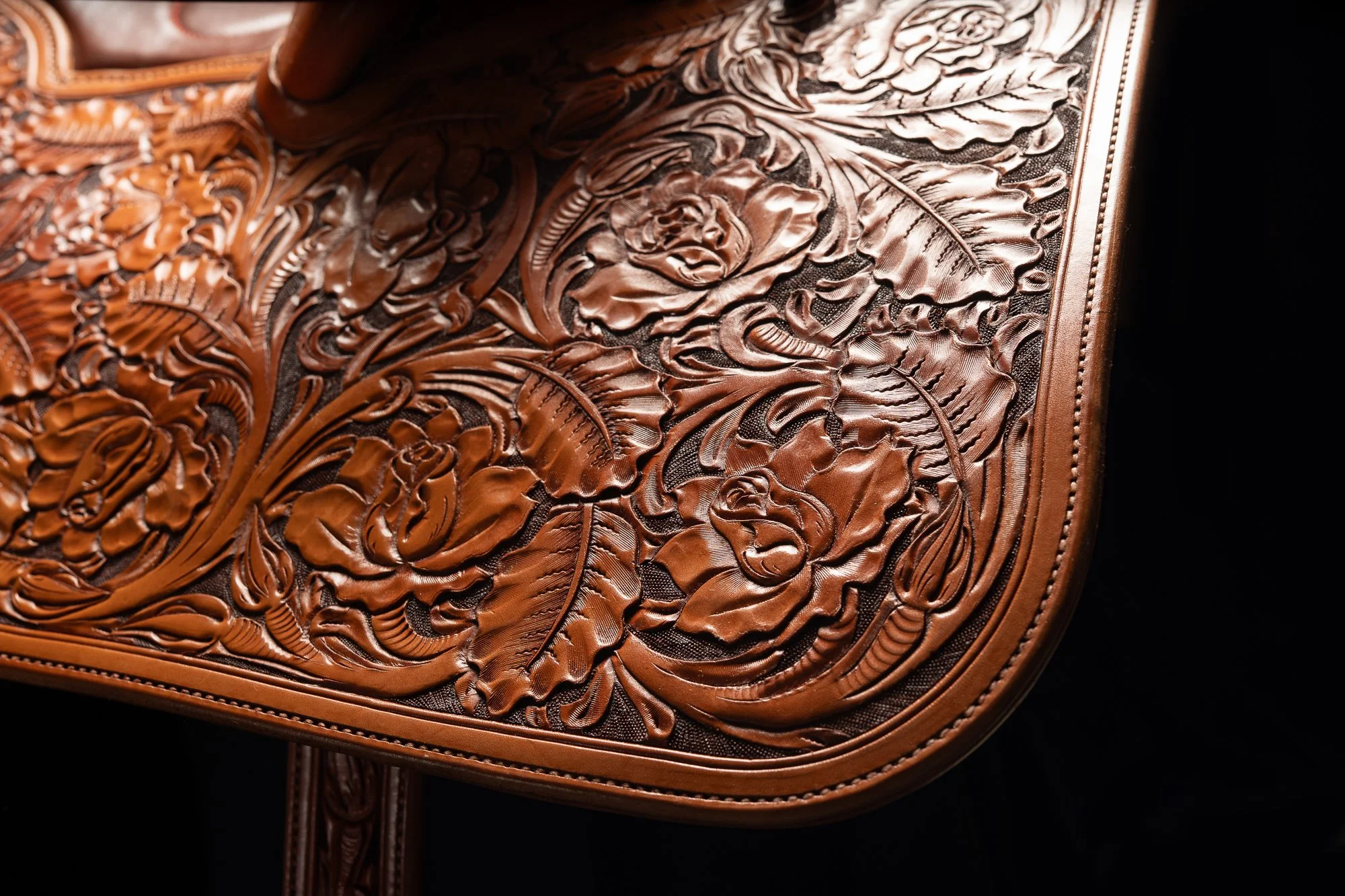
There’s a rhythm to it:

  • Cast

  • Check the drift

  • Clear ice

  • Repeat

You don’t rush. You can’t.

The light is different too. Lower in the sky, flatter, quieter. It doesn’t light up the river—it settles over it. That changes how everything looks, especially in photographs. The colors are muted, the contrast is softer, and the scenes feel more stripped down.

It’s not dramatic. It’s honest.

A fisherman stands in Clear Creek framed by snow-covered trees during winter.

A fly fisherman walking out of Clear Creek, partially framed by snow-covered trees along the bank.

A close-up of gloved hands holding an iced fly fishing rod during winter on Clear Creek.

Gloved hands hold a fly rod as ice forms along the line in cold conditions.

A Morning on Clear Creek

Most winter mornings start the same way.

You step out into air that feels sharper than expected. The creek is already moving, thin ribbons of steam rising where the water meets the cold. Nothing about it suggests urgency.

The first stretch is usually quiet. Fish aren’t moving much yet, and neither are you. It’s more about paying attention—watching the water, seeing where things might happen later.

By late morning, something shifts.

Maybe it’s subtle—just enough warmth to change the current slightly or bring a fish off the bottom. That’s when you start to see life again. Not in big, obvious ways, but in small signs: a hesitation in the drift, a slight take, a fish that wasn’t there an hour ago.

There’s no rush to it. No pressure to move quickly or cover miles of water. You stay with it, work through a stretch carefully, and take what the day gives you.

Some days that’s a few fish. Some days it’s none.

Either way, it’s enough.

A fisherman wades through Clear Creek in Colorado during winter surrounded by snow-covered rocks and flowing water.

A fisherman wades through, stepping carefully between snow-covered rocks in winter conditions.

A wide view of an angler fishing in Clear Creek in Colorado during winter surrounded by snow-covered banks and trees.

An angler fishes a wider stretch of Clear Creek in Colorado, working through slow winter water.

Why Winter Fly Fishing Is Worth It

It’s not about comfort. And it’s definitely not about easy fishing.

What keeps people coming back to places like Clear Creek in the winter is something harder to define. Maybe it’s the absence of distraction. Maybe it’s the way everything gets simplified—water, movement, attention.

Or maybe it’s just the fact that the river doesn’t stop when the season changes.

For me, this time of year has always been less about the outcome and more about the experience of being there. The photographs come out of that—quiet moments, small movements, and the kind of light you don’t get any other time of year.

They’re not dramatic images. They’re not meant to be.

They’re a record of what it actually feels like to stand in a Colorado creek in the middle of winter and keep fishing anyway.

An angler casts a line while standing in Clear Creek during winter with snow falling around him.

An angler casts into Clear Creek in Colorado, working through a cold winter stretch of water.

A close-up of a fly fishing rod and reel covered in ice during winter fishing on Clear Creek.

Ice builds along a fly rod and reel during winter fishing, requiring it to be cleared between casts.

Explore the Full Fly Fishing Photography Collection

If you’re interested in seeing more work like this—across different seasons, rivers, and parts of the American West—you can view the full collection below.

For brands, outfitters, and publications looking for authentic fly fishing imagery—real anglers, real conditions, and a documentary approach—licensing inquiries are always welcome - rob@robhammerphotography.com

View my full fly fishing photography gallery

Shop fly fishing prints

Explore more winter fly fishing in Colorado

A fisherman walks along the snowy bank of Clear Creek carrying fishing gear in winter conditions.

An angler walks through the snow, blowing warm air onto his frozen hands

A fisherman sits on a truck tailgate with snow-covered boots and fishing gear after time on Clear Creek.

A fisherman sits on a truck tailgate with snow-covered boots and gear after time on the water.

How to Choose Minimalist Landscape Photography for Your Home

There’s a point where a space feels finished—but something is still off.

The furniture is in place. The colors work. But the walls either feel empty, or worse, filled with artwork that adds noise instead of calm.

Minimalist landscape photography sits in that middle ground. It brings presence without overwhelming the room. But only if it’s chosen and placed correctly.

This isn’t about filling space. It’s about changing how a room feels.

Modern lake reflection wall art with cool blue tones and calm water displayed in a living room

A calm lake reflection in cool blue tones works well as a balanced statement piece for contemporary living room spaces.

Why Minimalist Landscape Photography Works in Interior Spaces

Minimalist landscape photography does something most artwork doesn’t—it gives the eye somewhere to rest.

Instead of competing with the room, it creates space inside it.

  • Negative space keeps walls from feeling crowded

  • Natural tones blend easily with both modern and rustic interiors

  • Subtle compositions hold attention without demanding it

It works just as well in a quiet bedroom as it does in a modern office or a high-end hospitality space.

The goal isn’t to dominate the room. It’s to settle it.

Minimalist ocean island wall art with deep blue water and a small rocky island, perfect for coastal decor

A single rock island sits in calm blue water, creating a minimal focal point for modern wall decor.

What Size Print Works Best for Each Space

This is where most people get it wrong.

They go too small.

A minimalist photograph needs room to breathe—and that usually means going larger than you think.

  • Above a couch: aim for 60–75% of the width

  • Above a bed: a single large piece creates calm more effectively than multiple small ones

  • Office spaces: one strong image often works better than a gallery wall

In most cases:
One large print will feel more intentional—and more calming—than several smaller ones competing for attention.

sunset lake reflection nature photography print with warm light mirrored across still water

Warm sunset light reflects across a still lake, adding a soft, calming presence to nature-inspired interiors.

Framed vs. Unframed Minimalist Photography Prints

Framing changes the entire feel of a photograph.

  • White border + frame (matted look):
    Feels more traditional, more “fine art,” and works well in classic or transitional spaces

  • Full-bleed (no border):
    Feels modern, clean, and more integrated into contemporary interiors

  • Floating frames:
    Sit somewhere in between—structured but still minimal

There isn’t a right answer, but there is a right answer for your space.

Pink and purple cloudscape wall art with layered dramatic clouds, suited for modern wall decor

Layered clouds in soft pink and purple tones create a full, immersive sky suited for modern wall decor.

Real Examples of Minimalist Landscape Prints in Interior Spaces

This is where it becomes real.

A photograph might look strong on its own—but what matters is how it lives in a space.
  • A soft horizon line can quiet a bedroom

  • A warm-toned desert image can bring depth into a neutral living room

  • A minimalist seascape can open up a tight office

These aren’t just images. They’re part of the environment.

Each photograph shown in this post is available as a fine art print, with multiple sizing and framing options.

Minimalist desert landscape wall art with soft grasses and distant mountains, styled for neutral home decor

A wide desert lake scene in muted beige and gray tones, ideal for neutral home decor and calming living spaces.

Choosing the Right Photograph for Your Space

The difference between a good choice and a great one is usually subtle.

A few things to pay attention to:

  • Light vs. dark images
    Lighter photographs tend to open up a space
    Darker images add weight and mood

  • Warm vs. cool tones
    Warm tones (desert, earth) feel grounded
    Cool tones (water, sky) feel calm and airy

  • Horizon placement
    A low horizon emphasizes sky and openness
    A higher horizon creates a more grounded, structured feel

You don’t need to overthink it—but these details are what make a photograph feel like it belongs.

Dramatic desert cloudscape wall art with sweeping clouds over an open landscape, captured as a nature photography print

Large sculptural clouds move across an open desert scene, bringing depth and scale to modern wall decor.

Minimalist Landscape Photography for Designers, Offices, and Hospitality Spaces

This kind of work isn’t just for homes.

Interior designers, architects, and commercial spaces often look for artwork that:

  • Calms a room without flattening it

  • Works across different materials and textures

  • Holds up over time without feeling trend-driven

Minimalist landscape photography does that quietly.

It’s as effective in a private residence as it is in:

  • Offices

  • Boutique hotels

  • Healthcare environments

  • Client-facing spaces

View Available Minimalist Landscape Photography Prints

If you’re considering adding a piece to your space, you can explore the full collection below.

If you’re not sure what will work, I’m happy to help you narrow it down.

Pastel lake sunset reflection wall art with pink and purple tones mirrored on calm water

Soft pastel reflections stretch across a quiet lake at sunset, creating calming wall art for modern interiors.

Where to Buy Authentic Cowboy Photography Prints for Western Homes

Where to Buy Authentic Cowboy Photography Prints That Actually Feel Real

There’s no shortage of “cowboy wall art” online.

A quick search turns up thousands of options—rustic prints, sepia-toned riders, staged Western scenes, and mass-produced imagery designed to fit a certain idea of the West.

But for people who actually know the difference—or simply want something that feels real—most of it is fake, staged, or made for tourists.

Authentic cowboy photography isn’t about aesthetic alone. It’s about proximity, trust, and time spent in a world that isn’t easily accessed.

And that changes everything.

A large black and white cowboy photography print displayed in a modern interior, ideal for minimalist wall art and neutral home decor

A large black and white cowboy photography print displayed in a modern interior, ideal for minimalist wall art and neutral home decor.

What Makes Cowboy Photography Feel Authentic?

The difference is usually immediate, even if you can’t quite explain it.

Real cowboy photography tends to have:

  • Unscripted moments — work happening as it naturally unfolds

  • Functional environmentscorrals, branding pens, open range, not staged sets

  • Working gear — worn saddles, ropes, dust, sweat, and weather

  • Light that isn’t controlled — early mornings, harsh midday sun, or fading daylight

Most importantly, it reflects work, not performance.

That’s where a lot of “Western art” falls short—it’s built around the idea of a cowboy, not the reality of one.

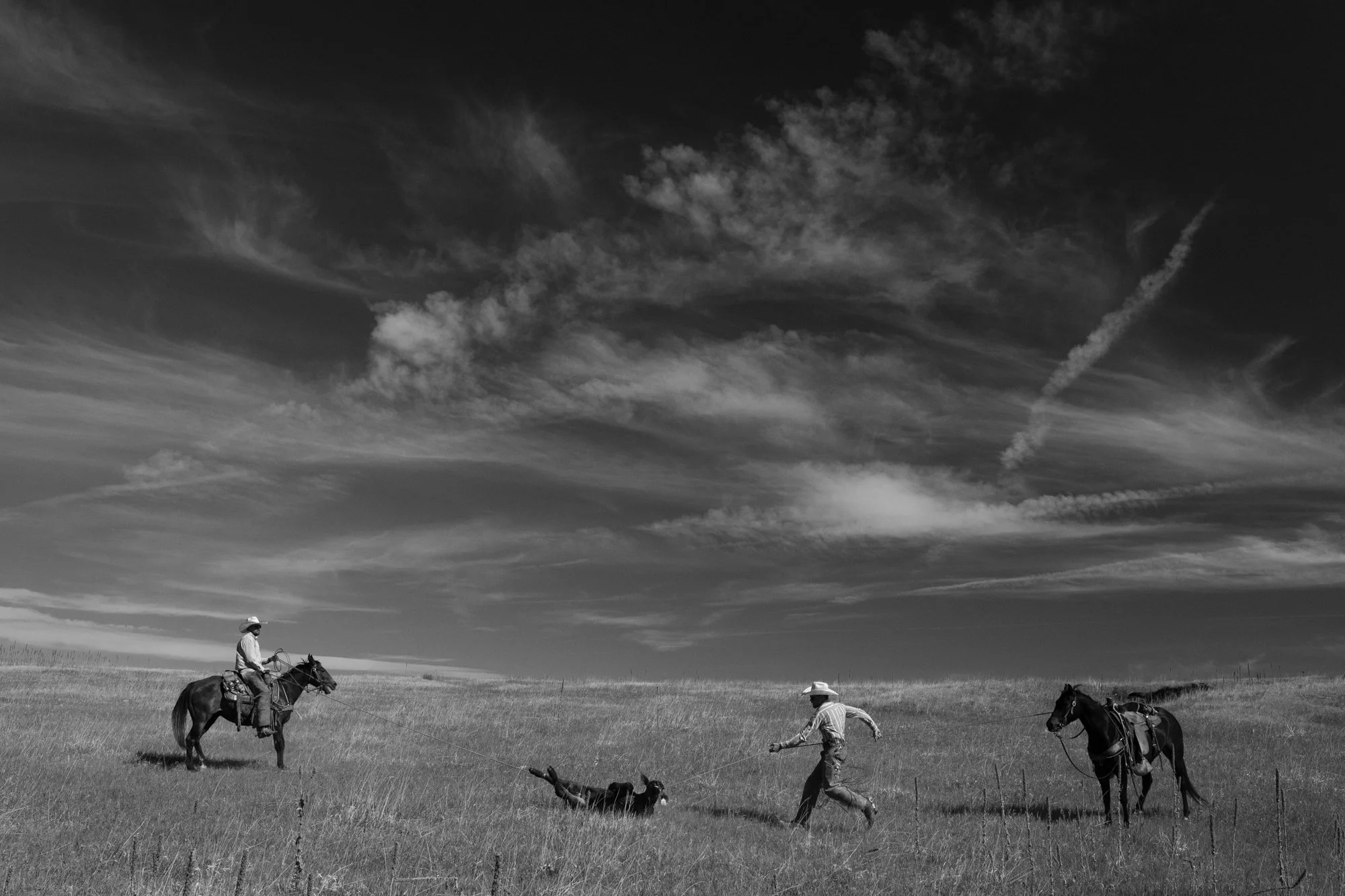
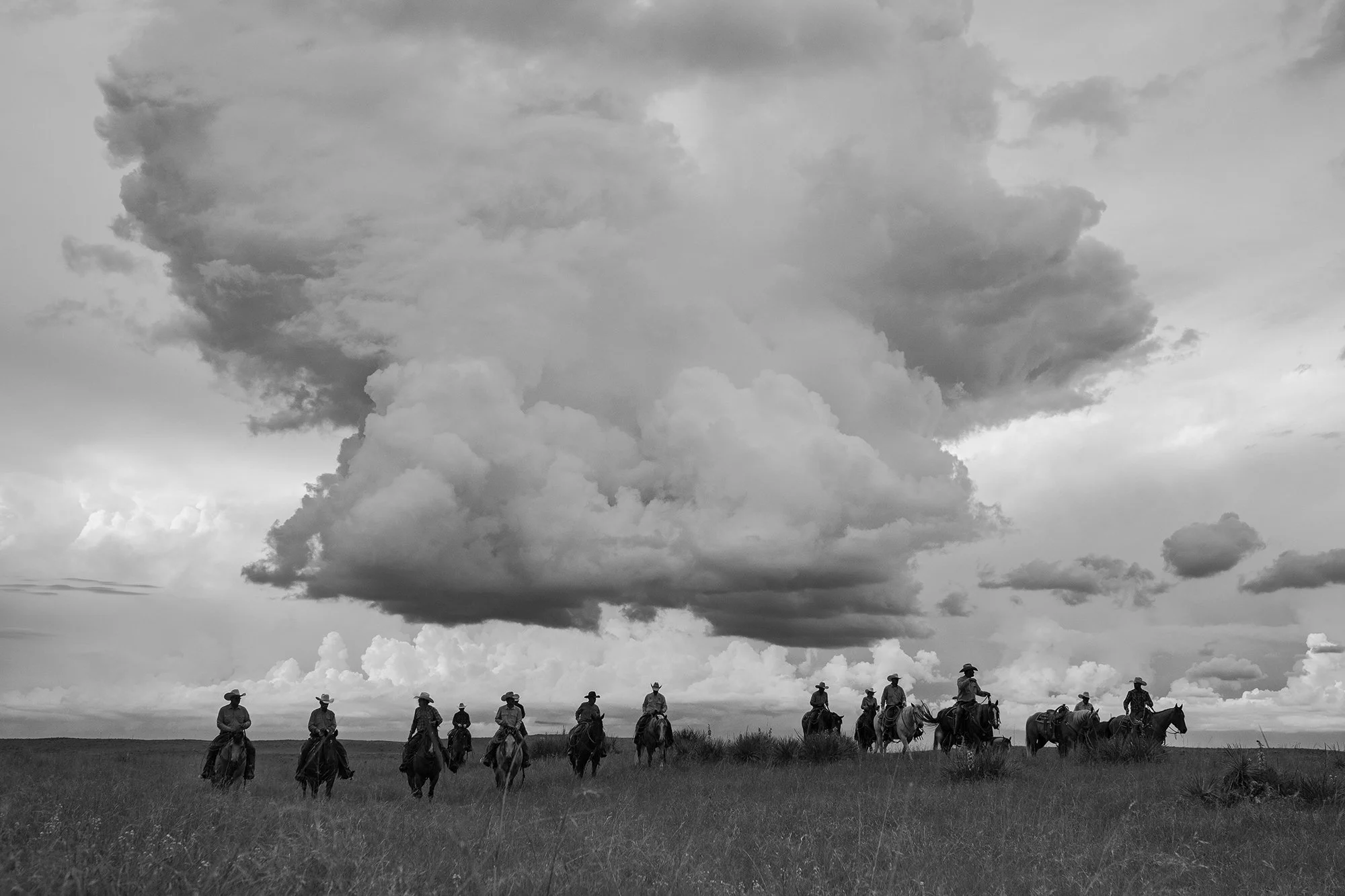
Cowboys riding across an open range beneath large clouds, ideal for large wall art and western landscape photography prints

Cowboys ride across open land under a wide sky, adding scale to large wall art in living spaces.

The Problem With Most “Cowboy Wall Art” Online

Most of what’s sold as “cowboy wall art” isn’t connected to real ranch life at all. It’s staged, over-processed, or pulled from stock libraries and printed at scale.

It’s made to look like the West—not to come from it.

  • Stock photography printed as décor

  • Heavily staged lifestyle shoots

  • Over-processed images designed to look “vintage”

  • Mass-produced prints with no connection to real ranch life

There’s nothing inherently wrong with decorative art—but if you're looking for something with depth, it becomes obvious pretty quickly.

The West has texture. It has grit. It has history.

When those elements are missing, the image might still look good—but it won’t hold your attention for long.

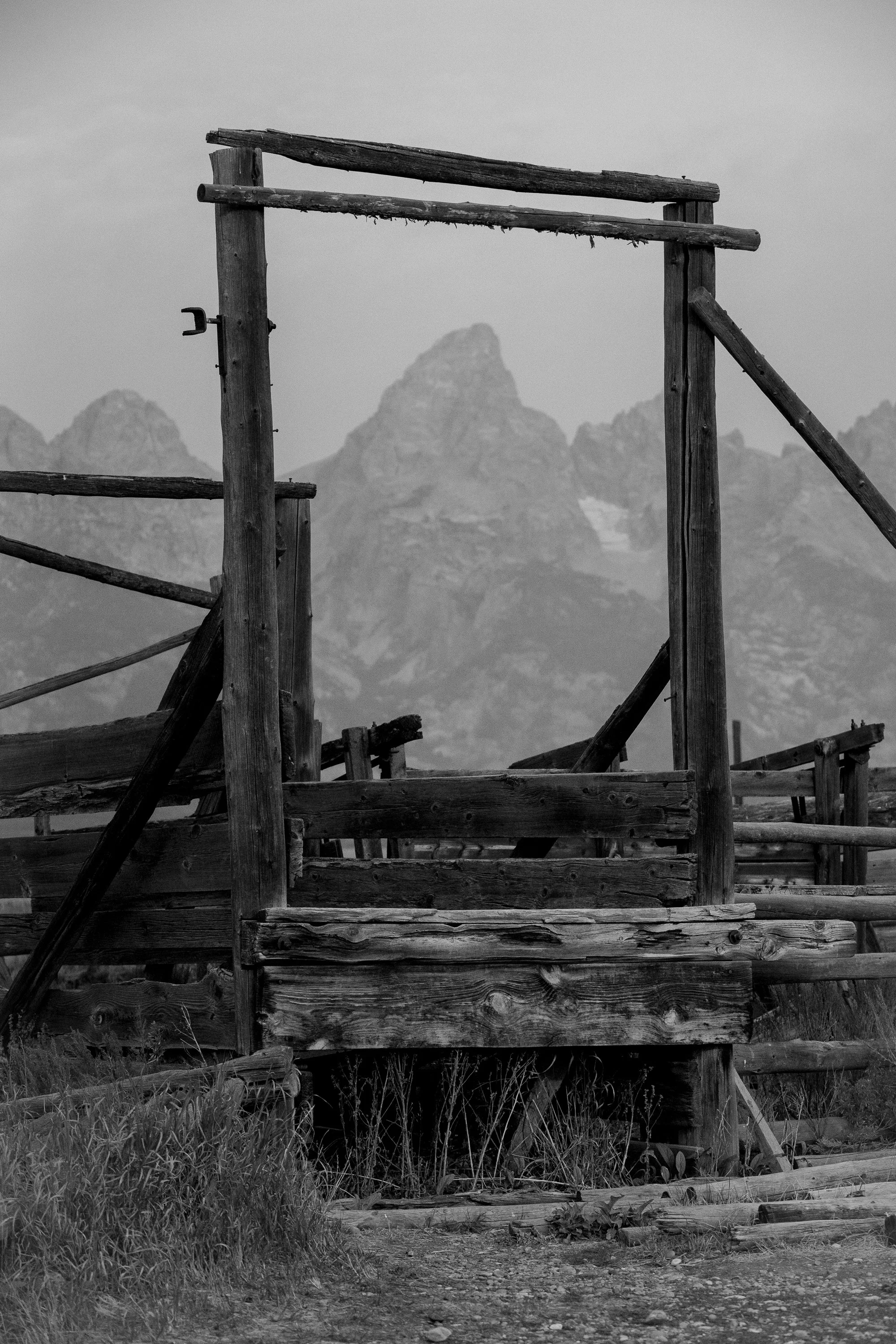
A weathered wooden cattle gate set against mountains in a black and white landscape, suited for rustic wall art and nature photography prints

A wooden cattle gate stands in open land with mountains behind it, adding a quiet but powerful detail to rustic interiors.

Where to Buy Authentic Cowboy Photography Prints

If authenticity matters, where you buy from becomes just as important as what you buy.

Here are the sources that consistently produce more meaningful work:

1. Directly From Photographers Working in the Field
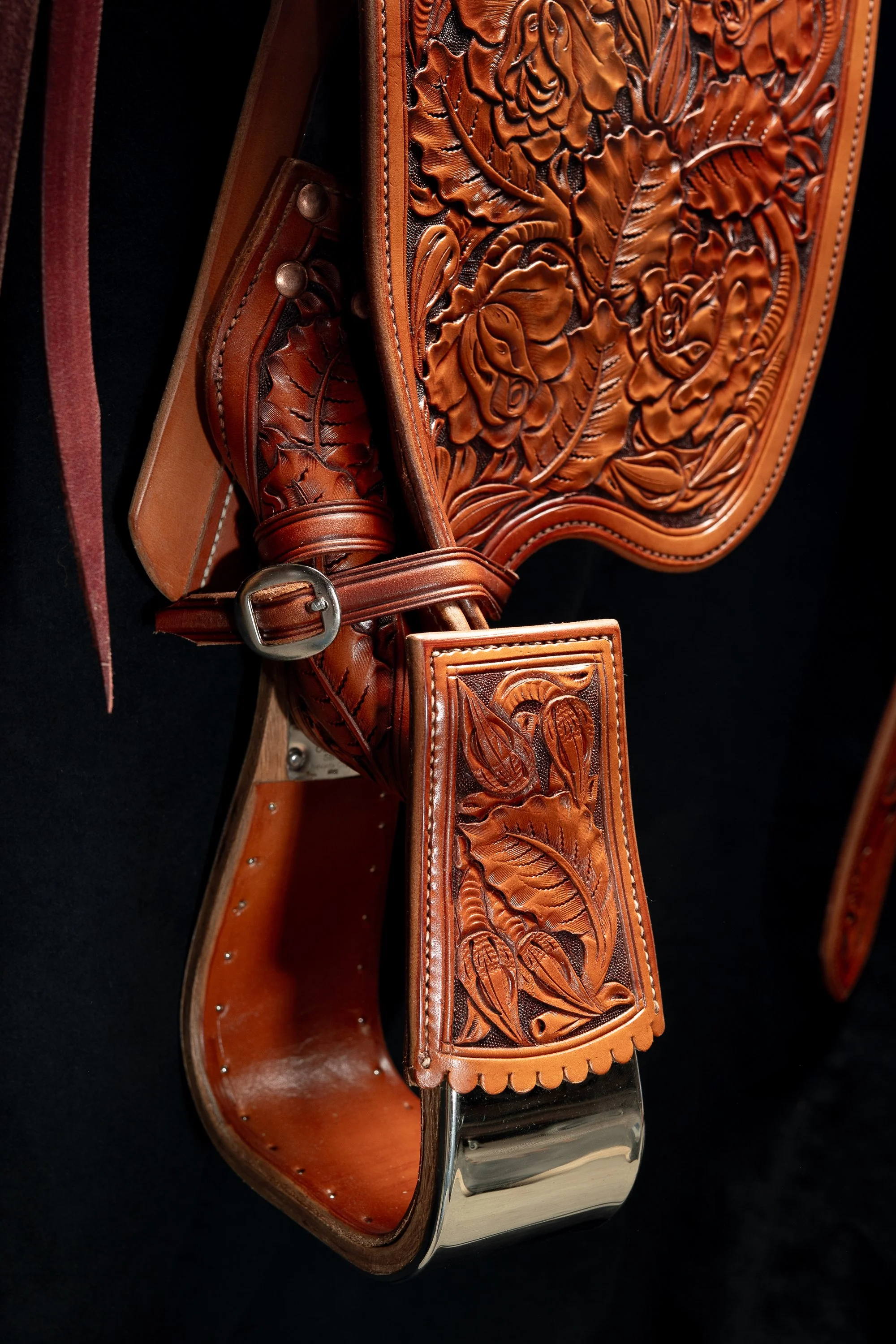
This is the strongest option.
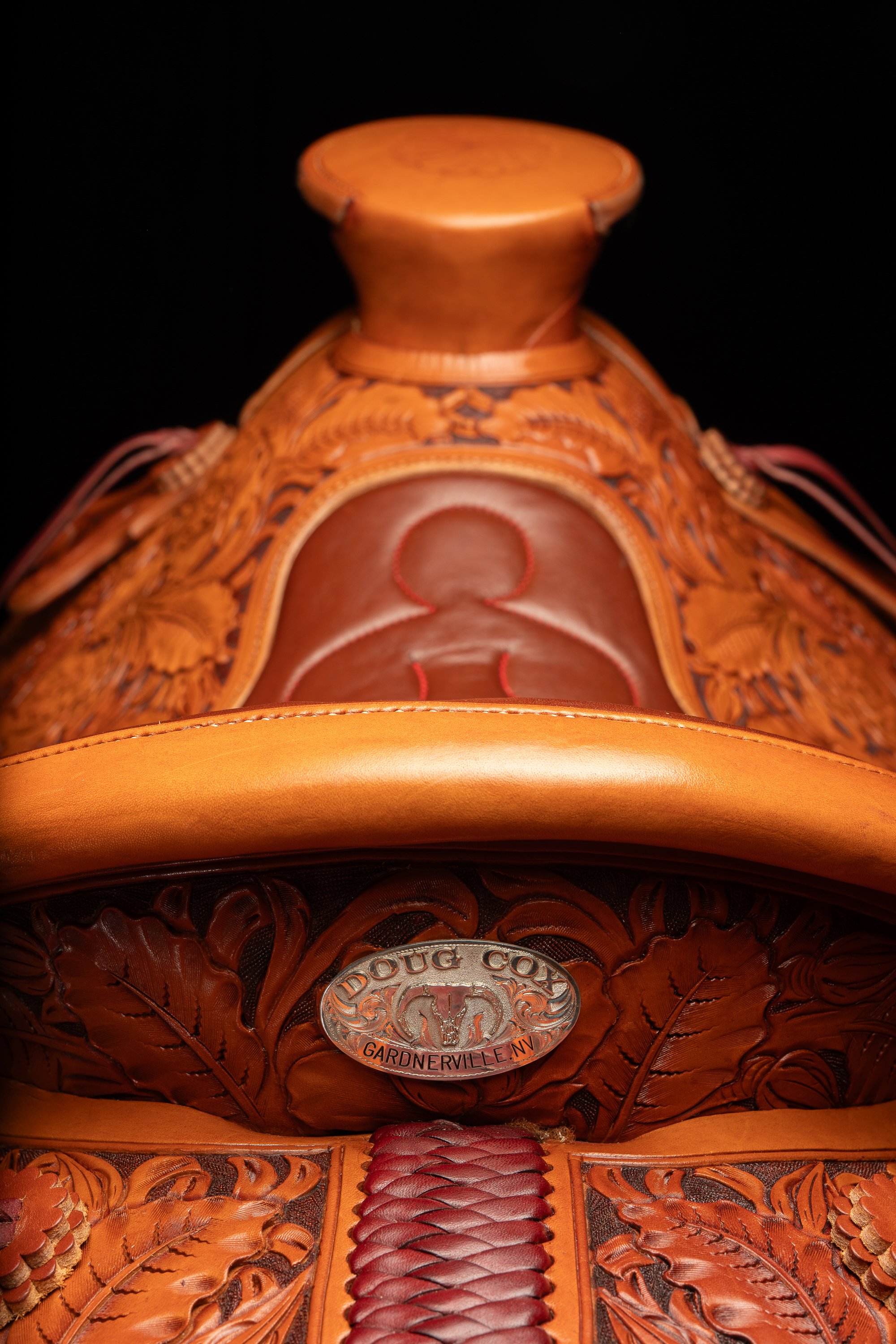
Photographers who spend years documenting ranches, cowboys, and Western traditions bring something that can’t be replicated in a studio or pulled from a stock archive.
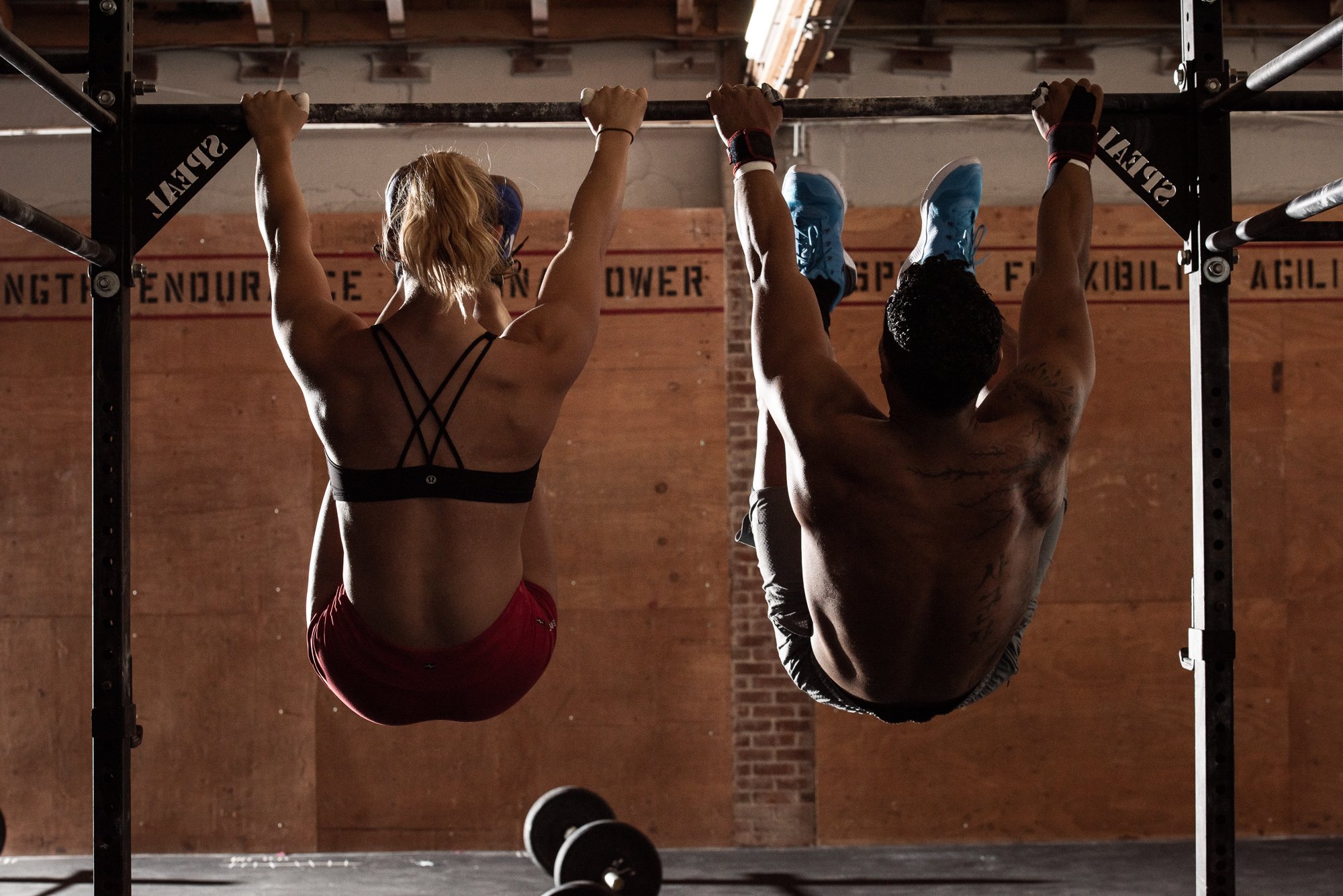
When buying directly, you’re also getting:

  • A clear understanding of where and how the image was made

  • Higher quality print processes (often archival materials)

  • Limited editions rather than mass production

👉 If you're looking for real working cowboy imagery, you can view the full collection here:
Browse Cowboy Photography Prints →

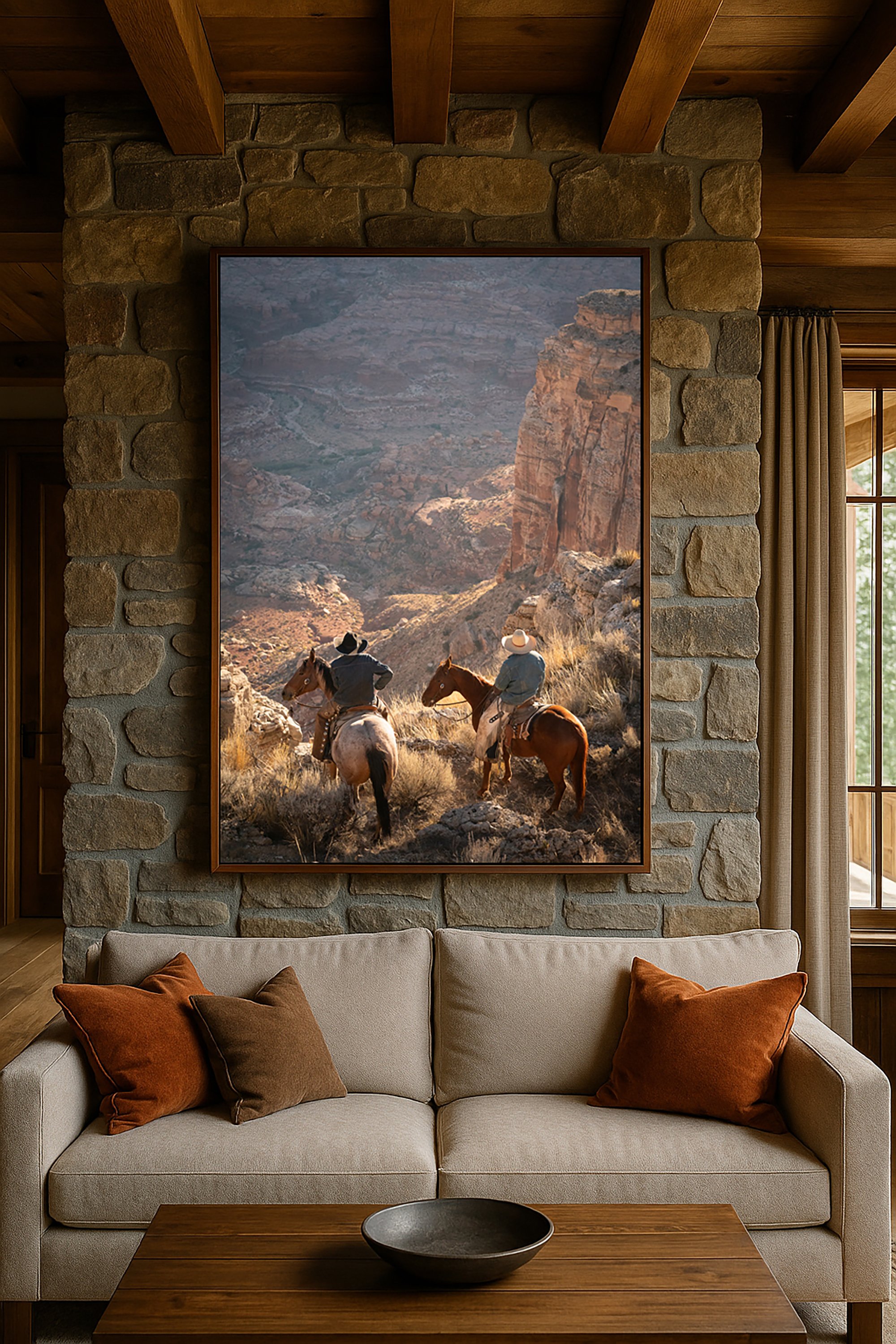
Cowboys on horseback standing along a rocky cliff, suited for western wall art and nature photography prints

Cowboys on horseback standing along a rocky cliff, suited for western wall art and nature photography prints.

2. Fine Art Galleries Specializing in Western Work

Some galleries curate authentic Western photography and fine art—but it’s important to pay attention to who they represent.

Look for:

  • Artists with long-term projects (not one-off shoots)

  • Work tied to specific ranches or regions

  • Consistency in subject matter and approach

Galleries can be a great source, but they often come with higher price points and less direct access to the artist.

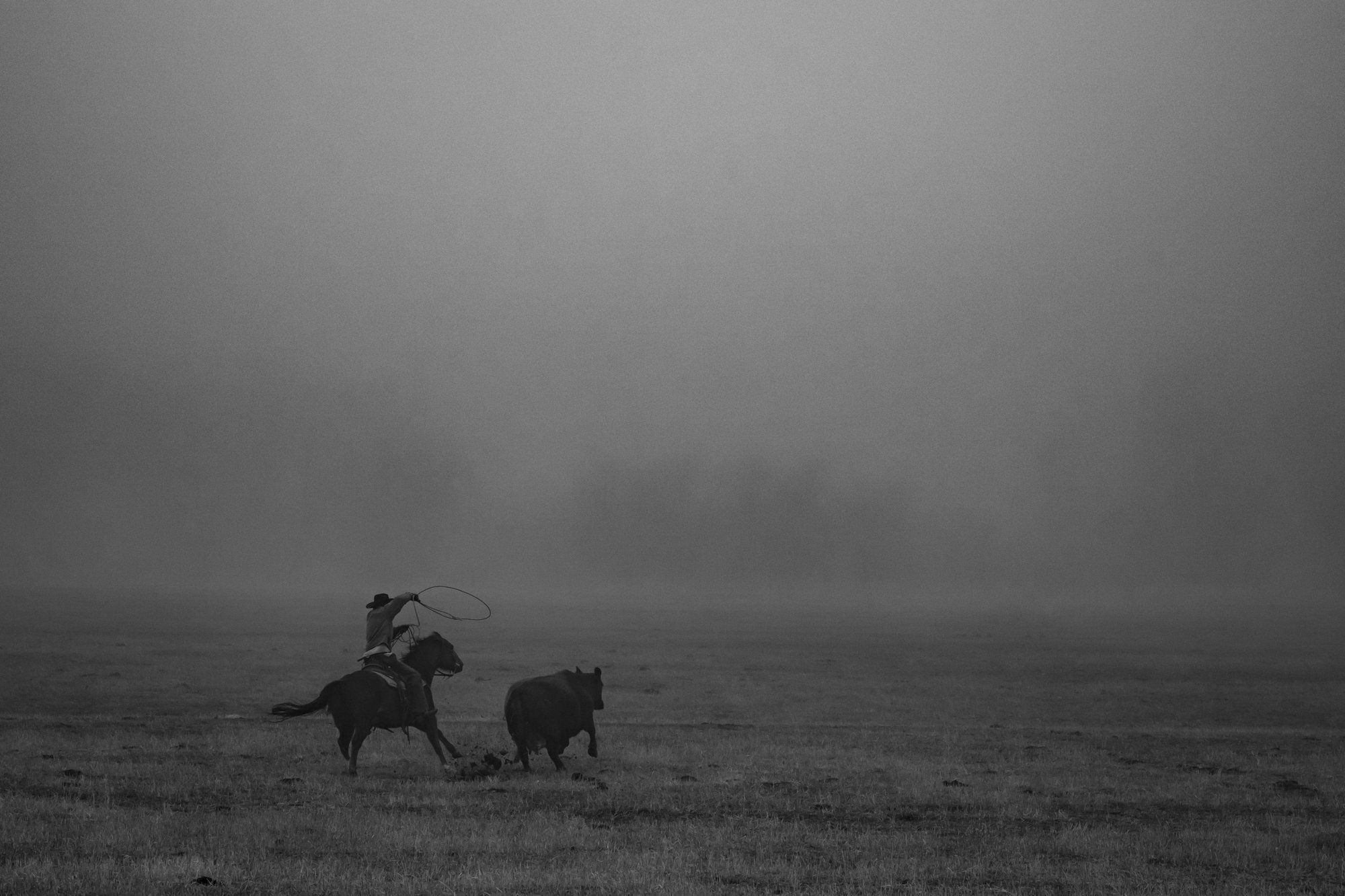
A cowboy roping cattle in a foggy open field, suited for western wall art and nature photography prints

A cowboy ropes cattle in low visibility, creating a quiet scene suited for calm, neutral interiors.

3. Independent Artist Websites (Not Marketplaces)

There’s a difference between buying from an artist’s website and buying from a marketplace.

Marketplaces tend to prioritize volume.

Independent sites are usually:

  • More curated

  • More intentional

  • More transparent about the work

This is often where you’ll find the most cohesive bodies of work—especially from photographers who have spent years focused on a single subject.

Cowboys working cattle in an open field during branding, suited for western wall art and documentary-style photography prints

Cowboys work cattle in an open field during branding, showing a real process that fits western and ranch spaces.

Why Real Cowboy Photography Is Rare

Access is the biggest factor.

Working ranches aren’t open environments. The people working them aren’t performing for an audience.

Photographing this world requires:

  • Time—often years, not days

  • Trust from ranchers and cowboys

  • A willingness to be present in physically demanding environments

That’s why truly authentic work is limited—and why it tends to resonate more deeply when you see it.

A cowboy riding on horseback through a canyon landscape, suited for western wall art and large wall decor for living rooms

A cowboy rides along a canyon landscape, showing a real working environment suited for large wall art.

How to Choose the Right Print for Your Space

Once you’ve found work that feels authentic, the next step is choosing a piece that fits.

A few things to consider:

  • Scale — Larger prints allow the environment and detail to breathe

  • Tone — Black and white vs. color can completely change the feel of a room

  • Subject — Action (roping, branding) vs. quiet moments (portraits, landscapes)

  • Placement — Entryways, offices, and living spaces all carry different energy

If you're designing a space—whether a home, office, or hospitality environment—authentic Western imagery tends to work best when it feels grounded, not decorative.

A wooden cattle corral in an open desert landscape with mesas in the background, suited for western landscape wall art and nature photography prints

A wooden cattle corral sits in open desert with distant mesas, adding a sense of place to western interiors.

A Body of Work Built Over Time

The photographs available here aren’t one-off images. I’ve spent the past six years photographing working cowboys on ranches across the American West. Not just for something fun to do, but over time—earning access, building trust, and documenting the work as it actually happens with real people that have been dedicated to this life for generations. That’s the difference. And it shows up in the photographs.

👉 You can explore the full project here:
View the Cowboy Photography Project →

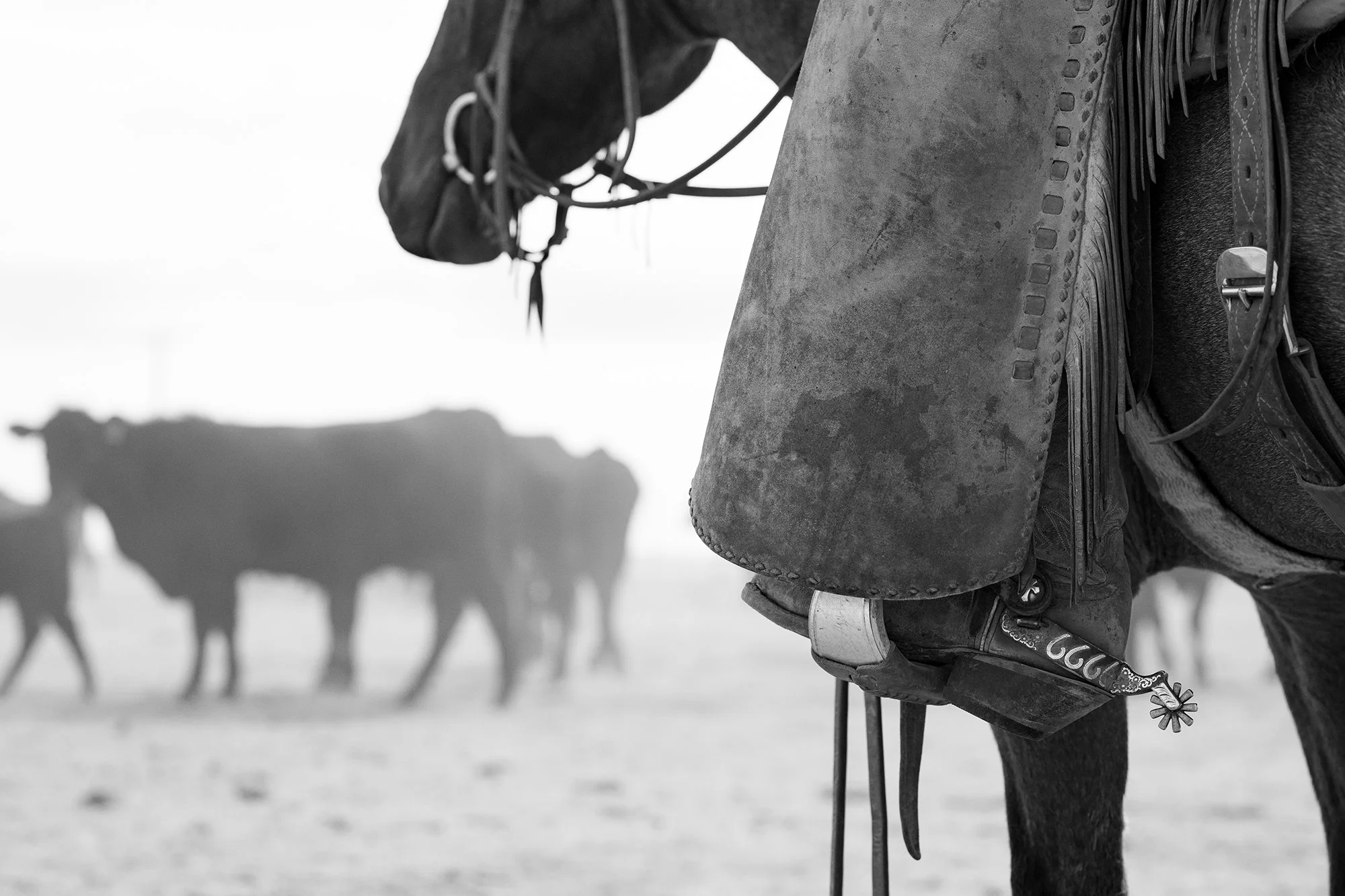
A detailed leather saddle with a coiled rope against a black background, ideal for western wall art and rustic decor

A leather saddle and rope shown in detail, highlighting gear used in everyday ranch work, a balanced piece for western and rustic interior spaces.

For Designers, Brands, and Hospitality Spaces

Authentic cowboy photography isn’t limited to private collectors.

It’s increasingly being used in:

  • Boutique hotels and lodges

  • Western and outdoor brands

  • Restaurants and hospitality spaces

  • Corporate environments looking for grounded, regional identity

If you're sourcing work for a larger space or project, licensing and custom print options are available.

👉 Inquire About Licensing & Large-Scale Prints →

A black and white cowboy photography print displayed in a warm rustic interior, ideal for western wall art and neutral home decor

A black and white cowboy photograph displayed in a warm interior, bringing a grounded, lived-in feel to western and rustic spaces.

The reality is, most people will never set foot on a working ranch.

These photographs are one of the few ways to bring that world into a space—without filtering or staging it.

And when it’s real, you can feel the difference.

Russell's Barbershop

Russell’s Barbershop and the Role of the Neighborhood Shop in America

There are still a few places left where nothing is rushed.

Russell’s Barbershop in Hurlock, Maryland is one of them.

You can come in for a haircut, sure. That’s the reason most people walk through the door. But it doesn’t take long to realize that the haircut isn’t really the point. The conversations last longer than the appointments. People stay after they’re finished. Some show up with no intention of sitting in the chair at all.

Traditional neighborhood barbershops like Russell’s are becoming harder to find. Not because people don’t need haircuts, but because fewer places still function the way these shops once did—part service, part meeting place, part daily routine woven into the fabric of a community.

Barber cutting a client’s hair with mirror reflections inside Russell’s Barbershop in Maryland

A cut in progress and laughs carrying from one chair to the next.

A Shop Built Around the Day, Not the Clock

The rhythm inside Russell’s isn’t dictated by appointments or turnover. It’s shaped by the people in the room.

A haircut unfolds alongside conversation. Someone leans against the counter. Another watches from the chair. There’s movement, but no urgency—just a steady pace that hasn’t changed much over the years.

The space itself reflects that. Worn counters, familiar tools, and a layout that hasn’t been redesigned to optimize anything. It works because it always has.

Man sitting and laughing on a chair near a window inside a barbershop in Maryland

The waiting is part of it too—stories, pauses, and time passing easy in the room.

Row of green waiting chairs beneath large windows with blinds inside a barbershop in Maryland

A row of chairs under soft window light, the room holding steady between cuts.

The Waiting Area That Isn’t Really About Waiting

The chairs along the window aren’t just for customers waiting their turn.

They’re for conversations that start before a haircut and continue long after. Stories get told here. News travels through the room. People come in just to sit for a while, knowing someone they know will pass through.

There’s a familiarity to it—an unspoken understanding that this is a place where you can stay as long as you want.

Man playing pool inside Russell’s Barbershop with price list and wall signs in the background

A game between cuts, the table catching what the day brings in.

The Back Room: Where Time Gets Spent in a Neighborhood Barbershop

In the back, a pool table sits just a few steps away from the barber chairs.

It changes the dynamic of the entire shop.

This isn’t just a place you pass through—it’s a place you spend time in. Games start and stop as people come and go. Someone lines up a shot while another watches, cue in hand, mid-conversation.

It’s a reminder that the shop serves a purpose beyond the service. It holds space for the hours in between.

The Details That Haven’t Been Replaced

The details inside Russell’s tell their own story.

Hand-painted price signs. Clippers hanging from hooks worn smooth over time. A “No Smoking” sign that’s been part of the wall longer than most people can remember.

Even the prices feel like they belong to another era—not as a statement, but simply because there’s never been a reason to change them.

Nothing here has been updated for the sake of appearance. Everything remains because it still serves its purpose.

Close-up of barber clippers hanging from a worn workstation inside a barbershop

Tools worn in just right, each one part of the same steady routine.

Price list and no smoking sign on the wall inside Russell’s Barbershop in Hurlock Maryland

Prices taped to the door, a no smoking sign above, everything laid out the way it’s been for years.

Two men sitting and talking near the window inside a barbershop in Maryland

A call comes through on the wall phone, picked up between cuts as the room carries on.

A Place That Still Holds Its Ground

From the outside, Russell’s doesn’t draw much attention.

A simple building. A barber pole. A door that opens into something easy to miss if you’re not looking for it.

But inside, it holds onto something that’s becoming harder to find—spaces that exist for the people who use them, not for how they’re perceived.

Exterior of Russell’s Barbershop in Hurlock Maryland with a Coca-Cola vending machine outside

Outside Russell’s, a quiet storefront with an old Coca Cola machine humming beside the door.

Part of a Larger American Barbershop Project

Russell’s Barbershop is one of countless shops I’ve photographed over the past 15 years as part of my long-term project documenting barbershops across all 50 states.

Some of those shops are gone now. Others have changed. A few, like this one, continue much as they always have.

Not because they’re trying to preserve anything—but because there’s still a need for places like this.

Places where people come not just for a haircut, but to spend part of their day.

View the full Barbershops of America project

Explore another barbershop story from this project

Shop the barbershop photography book and prints

Best Photography Books About the American Road Trip

Best Photography Books About the American Road Trip

There’s a certain kind of photograph you only find on the road.

Not at landmarks. Not at destinations.
But somewhere in between—gas stations at dusk, empty intersections, motel signs flickering against a washed-out sky. The kinds of places most people pass without noticing.

For decades, photographers have tried to make sense of that space. The result is a body of work that doesn’t just document America—it quietly defines how we see it.

Below are some of the most important photography books centered around the American road trip, roadside culture, and the in-between landscapes that hold it all together.

All photographs featured in this article are from my Roadside Meditations series, created over thirteen years of photographing the American road.

Uncommon Places — Stephen Shore

If there’s a single book that shaped how we see the American road, this is it.

Shot across the country in the 1970s, Uncommon Places takes what would normally be overlooked—parking lots, diners, quiet streets—and presents them with a kind of calm precision that makes you stop and look longer.

There’s no drama here. No spectacle. Just attention.

Vintage motel sign and roadside signage with canyon cliffs and winding road

A weathered motel sign beneath canyon walls, photographed for the Roadside Meditations project.

American Prospects — Joel Sternfeld

Where Shore observes, Sternfeld interprets.

American Prospects leans into narrative—images that feel ordinary at first, then slowly reveal something else. The road becomes a stage for quiet, often surreal moments.

Calm river reflecting hills and autumn vegetation in rural western landscape

Photograph from Roadside Meditations — a quiet body of water reflecting autumn color in a remote western valley.

Los Alamos — William Eggleston

Eggleston didn’t just photograph America—he changed how color works within it.

Gas stations, car interiors, roadside fragments—rendered with a saturation that made the everyday feel permanent.

Neon motel sign glowing at night with mountains in background and empty street

El Rancho Motel glowing in the early morning dark, with mountains fading into the background — part of Roadside Meditations.

The Americans — Robert Frank

Before all of it, there was this.

Shot in the late 1950s, The Americans is raw and immediate. Highways, diners, passing faces—it’s less about composition and more about feeling.

It set the tone for everything that followed.

Empty storefront interior with mannequin and reflections of small town street in American West

An empty storefront with a lone mannequin and reflections of a quiet roadside town — from the Roadside Meditations series.

Twentysix Gasoline Stations — Ed Ruscha

Simple. Repetitive. Intentional.

Ruscha’s book is less about photography in the traditional sense and more about the idea of the road itself—distance, sequence, and repetition.

It’s conceptual, but it’s also foundational.

Remote desert intersection with road signs and butte formation in background

A remote desert intersection with scattered signage and a lone butte — from Roadside Meditations.

Cape Light — Joel Meyerowitz

Not a road trip book in the traditional sense—but it belongs here.

Meyerowitz slows everything down. The movement of the road gives way to stillness, light, and atmosphere. It’s a reminder that the road doesn’t always have to move.

Winding mountain road overlooking desert basin at sunrise with soft light and distant peaks

A winding mountain road heading into a desert basin at sunrise, photographed for Roadside Meditations.

Roadside Meditations — Rob Hammer

Over the course of twelve years, I drove hundreds of thousands of miles across the United States photographing places most people pass without seeing.

Empty intersections. Motels. Storefronts. Quiet stretches of road that sit somewhere between use and abandonment.

This work isn’t about the destination. It’s about everything in between.

Where earlier books helped define how America looks, Roadside Meditations leans into how it feels now—quieter, more sparse, and often overlooked.

→ View the full Roadside Meditations photography book

Roadside Meditations photography book cover featuring empty desert road and intersection in the American West

Roadside Meditations book cover — an empty desert road leading to a quiet intersection in the American West.

Morning light filtering through foggy forest with bare trees and soft atmosphere

Morning light filtering through a foggy forest, captured during the Roadside Meditations series.

The Road Continues

What connects all of these isn’t just geography.

It’s a way of seeing.

These photographers weren’t chasing landmarks—they were paying attention to what exists in between them. And in doing so, they created a visual language that continues to shape how America is photographed today.

Expansive desert landscape with dramatic lenticular clouds and distant mountains

Expansive desert terrain beneath layered cloud formations, captured during the Roadside Meditations project.

Photographs From the Road Today

If you’re interested in how this way of seeing translates into contemporary work, there’s more beyond the book.

A growing body of photographs from across the American West—Nevada, Utah, and beyond—continues to explore the same themes of stillness, distance, and overlooked places.

View American roadside photography from Nevada
Explore the broader America photography project

View more from the Roadside Meditations series

Wind turbines lining desert highway at sunset with warm light and long shadows

Wind turbines stretching across a desert landscape as the road disappears into the distance, from Roadside Meditations.

Licensing & Use

Many of these themes—open space, quiet infrastructure, the feeling of distance—translate naturally into editorial and commercial work.

If you’re looking for photography that reflects the American landscape in a more honest, understated way, licensing is available for select images.

Inquire about licensing American road trip photography

Minimal small town commercial building with American flag and empty street

A quiet small-town building with an American flag and empty sidewalk, photographed for Roadside Meditations.

Desert highway passing rocky hill with expansive basin and distant mountains

An open highway cutting through high desert terrain, part of the Roadside Meditations project.

Rural highway intersection with directional signs and power plant in distance

A rural highway intersection with industrial structures on the horizon — part of Roadside Meditations.

Tumbleweeds gathered along fence line in Nevada desert at sunset with soft pastel sky

From the Roadside Meditations series — tumbleweeds caught along a fence line in the Nevada desert at dusk.

Sweeney Todd's Barbershop

Sweeney Todd’s Barbershop, Los Angeles

Tucked into the Los Feliz neighborhood of Los Angeles, Sweeney Todd’s barbershop carries a kind of visual weight that comes from it’ impeccable design. Walking in there for the first time you’d have to seriously question whether or not you’d been transported to a different era. All of the shops layered objects, textures, and details reflect something different than our current reality. It’s so well done that the only clue hinting at present day, is the clothing warn by customers.

Row of empty vintage chrome and leather barber chairs at Sweeney Todd's Barbershop with barber pole and Sweeney Todd's gold window lettering reflected behind them

The chairs sit empty between cuts, chrome bases and worn leather catching the light. Through the front window, the barber pole turns and the gold lettering reads in reverse. The shop is open.

A Shop Defined by Atmosphere

The first thing that stands out isn’t any one object—it’s the density of the space. The walls are filled, but not cluttered. Vintage signage, photographs, tools, and ephemera stack up in a way that feels intentional without being precious. There’s empty wall space, but none of it begs for decoration. Everything already has a purpose.

The lighting is a mix of classic barbershop interior and a steady flow of California sunshine, creating pockets of contrast across the room. It highlights the patina of worn wood, the shine of old metal fixtures, and the texture of well-used barber chairs. It’s the kind of environment that feels cinematic without trying to be.

Nothing feels new. And that’s exactly the point.

Vintage green cigarette vending machine at Sweeney Todd's Barbershop in Los Angeles, with a caped client being clippered in the foreground

A haircut is happening in the foreground. In the background, a vintage cigarette machine holds its ground, paint worn, decals faded. The shop doesn't explain what it keeps.

Barber in white shirt and tie pausing with clippers to assess a client's cut at Sweeney Todd's Barbershop, framed by gold storefront lettering and barber pole in the window

He steps back and looks over the cut, clippers still in hand, not finished yet. The Sweeney Todd’s sign sits in the window behind him, the barber pole off to the side, the counter lined with tonics and brushes.

The Details That Matter

Look closer and the shop reveals itself in pieces:

Old barber chairs that have seen decades of use. Each barber wearing classic smocks. Mirrors that reflect not just the customer, but the entire layered environment behind them.
Shelves lined with tools and products that feel chosen over time, not stocked overnight.

Even the small things—Playboy Magazines, perfectly dated photos, worn edges on countertops—contribute to the larger story. These are the details that can’t be manufactured quickly. They accumulate.

And in a city like Los Angeles, where so much is constantly being built, rebuilt, and rebranded, that kind of permanence stands out.

Row of men seated along a bench in Sweeney Todd's waiting area reading magazines and newspapers, with red linoleum floor, wall clock, and framed photographs behind them

The waiting area fills up. Men sit shoulder to shoulder with magazines and newspapers, the red linoleum floor reflecting the fluorescent light above. Nobody's in a hurry.

Close-up of a polished black leather oxford resting on the chrome footrest of a vintage barber chair at Sweeney Todd's Barbershop

Black leather on chrome — shoe polished, footrest built to last. The kind of detail you notice when everything else in the shop is exactly where it belongs.

Barber in white shirt and tie working a straight razor along a client's hairline at Sweeney Todd's Barbershop, second barber and client visible in background

The straight razor comes out for the detail work. The barber's eyes stay on the line. In the background, through the fluorescent-lit mirrors, the shop keeps moving.

A Working Shop, Not A Set

Sweeney Todd’s could and should be used for a movie set, but what makes the place compelling isn’t just how it looks—it’s how it functions. This isn’t a space preserved for aesthetics. It’s actively used, day in and day out.

Sween and his barbers move through the space with such familiarity that it almost feels like a choreographed dance. Tools are exactly where they need to be. Clients settle into chairs that have held thousands before them. There’s a rhythm to it that only comes from repetition and trust.

It’s easy to imagine a place like this being imitated elsewhere. It would be much harder to recreate what actually gives it value: time, consistency, and a community that returns again and again.

Wide interior shot of Sweeney Todd's Barbershop with barber adjusting a caped client's cape in a vintage chair, barber pole and gold window sign visible in the background

The full room in one frame, vintage chairs and a red floor, the Sweeney Todd’s sign reading backward in the front window. A barber adjusts the cape while the client sits already smiling.

Exterior of Sweeney Todd's Barbershop in Los Angeles showing striped black and white awning, gold script window lettering, barber pole, and sidewalk table with chairs

From the sidewalk it reads clearly as a barbershop, the striped awning, the barber pole, and gold script on the glass. A small table and two chairs sit out front, the door left open.

Part of a Larger Story

Sweeney Todd’s Barbershop is one piece of a much larger body of work documenting barbershops across America. Over the course of 15 years, the project has traced spaces like this in all 50 states—some still operating, others long gone.

What ties them together isn’t just the act of cutting hair. It’s the way each shop reflects its surroundings. The architecture, the objects, the clientele—they all carry subtle clues about the neighborhood, the city, and the era the shop has lived through.

In that context, Sweeney Todd’s becomes more than a single location. It becomes part of a visual record of a trade that continues to evolve while still holding onto its roots.

View the Barbershops of America gallery

Barber in white shirt and dark tie smiling while using clippers on a laughing client's head at Sweeney Todd's Barbershop, mirrors and vintage wall decor visible behind them

Something lands and they both laugh, the barber mid-clip and the client mid-cut. The exchange stays easy and personal. The room allows for it without calling attention to it.

Tattooed barber's hand holding a square hand mirror up to a caped client checking his fresh haircut at Sweeney Todd's Barbershop in Los Angeles

The barber holds the mirror steady with a tattooed hand, a chain bracelet and rings catching the light, as the client checks the back. A moment that’s played out here countless times.

Collect Fine Art Barbershop Prints

Select photographs from this project are available as museum-quality fine art prints. Each piece is produced to highlight the texture, light, and character that define these spaces.

If this shop resonates with you, there are others in the collection that carry a similar sense of place.

Shop Barbershop photography prints

Barber in white shirt standing behind a caped client with a slicked pompadour and waxed mustache at Sweeney Todd's Barbershop, both facing the camera

Barber and client, face to camera. One in the cape, one holding the comb. The cut is clean, the mustache is waxed, the framed photographs line the wall above the mirror.

Three barbers in white shirts and ties standing behind three vintage barber chairs at Sweeney Todd's Barbershop, reflected in wall mirrors with vintage framed photographs and wrestling poster above

The crew stands behind their chairs in white shirts and ties, the red floor clean underfoot. The mirror carries the room back again. This is how the place sits when it’s ready.

Why Places Like This Matter

Shops like Sweeney Todd’s don’t just disappear overnight—but when they’re gone, they’re gone for good. The details that define them rarely get preserved in any formal way. They fade with time, replaced by something newer, cleaner, and often less personal.

Photographing these spaces is less about nostalgia and more about recognition. Recognizing that there’s value in places that aren’t trying to be anything other than what they are.

Sweeney Todd’s Barbershop is exactly that—a place shaped by years of work, repetition, and presence. And in a city built on constant change, that kind of consistency is worth paying attention to.

Photograph of a Sweeney Todd's Barbershop early in the morning before any customers fill the chairs

Wide view of Sweeney Todd’s Barbershop in Los Angeles before the rush comes in.

Licensing & Editorial Use

These photographs are available for licensing for editorial features, brand campaigns, and commercial projects looking for authentic barbershop environments.

If you’re working on a project that needs real spaces with real history, this archive was built for exactly that.

Inquire about licensing

Explore More California Barbershops

California has no shortage of character when it comes to barbershops. From long-standing neighborhood staples to newer shops with deep roots in classic barbering, the range is wide—and worth exploring.

Browse more California barbershop features

Gym Fitness Photoshoot

Gym Fitness Photoshoot

This series was photographed during a strength training session inside a working gym. No staging, no resets—just photographing what was already happening.

The focus stays on movement, effort, and the environment itself. The rhythm of a workout doesn’t leave much room to slow things down, so the approach is simple: work within it, anticipate moments, and keep the camera moving.

Photographing Training as It Happens

Fitness photography often leans heavily on setup—controlled lighting, repeated takes, and carefully constructed scenes. There’s a place for that, but this work comes from a different approach.

These images were made during an active session. Reps weren’t repeated for the camera, and nothing was adjusted mid-set. The goal is to stay close to the pace of the workout and respond to it, rather than interrupt it.

That shift changes the photographs. Movements feel less polished, but more accurate. The small details—grip, fatigue, timing—start to carry more weight.

The Gym as an Environment

A gym has its own structure and texture. Light falls unevenly, equipment gets worn down, and every space develops its own rhythm over time.

Instead of trying to reshape that environment, the photographs lean into it. Shadows, overhead light, and open space all become part of the image. The setting isn’t just a backdrop—it’s part of the work.

Fitness Photography for Gyms, Athletes, and Brands

This type of approach translates well for gyms, trainers, and brands that want imagery grounded in real training environments.

Rather than building a scene from scratch, the focus is on documenting what’s already there—movement, effort, and the atmosphere of the space. That tends to create photographs that feel more usable across campaigns, editorial features, and ongoing content.

Real Fitness Photography for Licensing and Photoshoots

These images are available for editorial and commercial licensing. I also work with gyms, brands, and athletes on fitness photoshoots—both in active training environments and more controlled settings when needed.

If you’re planning a shoot or looking for existing imagery, feel free to get in touch to discuss the project.

View More Fitness Photography

Female athlete preparing to lift barbell in gym focusing on form and stance

Athlete preparing for a barbell lift, focusing on stance, form, and pre-lift intensity in a gym environment.

Close up of female athlete using rowing machine during gym fitness photoshoot with sweat and muscle detail

Close-up of athlete using a rowing machine during a high-intensity gym fitness photoshoot, highlighting strength, effort, and real training conditions.

Female athlete performing box jump in crossfit gym with barbell and backlight during fitness photoshoot

Athlete performing a box jump in a CrossFit gym, captured with dramatic lighting for commercial fitness and training imagery.

Female athlete performing barbell clean in gym with dramatic lighting and sweat during fitness photoshoot

Athlete performing a barbell clean in a gym environment, showcasing strength, form, and intensity for fitness brand imagery.

Female athlete doing pushups on gym floor next to barbell during fitness photoshoot

Athlete performing pushups on a gym floor beside a loaded barbell, emphasizing strength training and functional fitness.

Female athlete standing in gym post workout with sweat and defined muscles during fitness photoshoot

Athlete recovering between sets in a gym, highlighting endurance and physical intensity in a real training environment.

Female athlete using assault bike in crossfit gym during conditioning workout photoshoot

Female athlete pushing through a conditioning workout on an air bike in a CrossFit gym, captured for commercial fitness campaigns.

Female athlete lifting barbell from floor in gym during strength training photoshoot

Athlete performing a deadlift in a gym setting, emphasizing power and controlled movement for fitness brand use.

Female athlete performing upright row with barbell in gym with dramatic lighting

Athlete performing an upright row in a CrossFit gym, captured with strong directional light for commercial fitness imagery.

Female athlete performing barbell back squat in crossfit gym with strong back muscles visible

Athlete performing a barbell back squat, highlighting strength, form, and muscle definition in a gym environment.

Female athlete using air bike in crossfit gym during high intensity conditioning workout photoshoot

Athlete performing a high-intensity conditioning workout on an air bike in a CrossFit gym, capturing effort, endurance, and real training conditions.

Female athlete performing overhead barbell squat in crossfit gym with strong backlighting and water bottle on floor

Female athlete performing an overhead barbell squat in a CrossFit gym, showcasing strength, mobility, and form in a real training environment.

Black Barbershop Culture in America

Black Barbershop Culture in America: A Documentary Photography Project

For more than a decade, I’ve been photographing barbershops across the United States. Some are well-known, others are easy to miss if you’re not looking for them. Many have been around for decades. Others have quietly disappeared.

What’s consistent isn’t the layout or the signage—it’s what happens inside.

Black barbershops, in particular, carry a different kind of weight. They are places where people return week after week, if not daily. Not just for a haircut, but for conversation, friendship, and a sense of familiarity that doesn’t change much, even as everything around them does.

A Space Defined by Consistency

There’s a rhythm to a barbershop that can’t be explained.

The door opens. Someone takes a seat. Another person is already mid-conversation. Clippers harmonize. A game is on in the back corner. People come and go, but the structure stays the same. The energy rises and falls depending on who’s there and where the conversation goes - sometimes it stays between one customer and his barber. Other times the topic flows throughthe whole shop. It’s a glorious energy to witness.

What makes these spaces distinct isn’t just the haircut—it’s the familiarity, like being at home. The same chairs, the same mirrors, the same people you can count on day after day.

Over time, that consistency builds something more permanent than the physical space itself.

More Than a Haircut

It’s easy to reduce a barbershop to its function, but that misses the point entirely.

These shops operate as meeting places. Conversations move between topics without structure—sports, work, family, local news. Some are loud, some are quiet. Some are built on long-standing relationships, others on quick exchanges between people who may never see each other again.

What matters is that the space allows for it.

There’s no expectations. It’s a place you can feel safe and open.

Details That Hold the History

Much of what defines a barbershop isn’t immediately obvious.

It’s in the details: the tools worn down from years of use. Handwritten signs. Photographs of real people - local people. Chairs older than anyone in the shop.

These elements aren’t curated. They accumulate.

Over time, they become a record of the people who have passed through the space—both barbers and customers.

The Barbershop as Community

In many neighborhoods, the barbershop extends beyond its walls.

People gather outside. Conversations continue on the sidewalk. The shop becomes part of the street itself—connected to everything happening around it.

This is especially true in Black barbershops, where the role of the space has historically gone beyond business. It has functioned as a place of connection, discussion, and continuity within the community.

That presence is still there, even as many of these shops face pressure from rising costs, changing neighborhoods, and shifting culture.

What’s Changing—and What Isn’t

Some of the barbershops in this series are no longer there.

Others are still operating, largely unchanged.

There’s a tendency to focus on what’s disappearing, but that only tells part of the story. What’s just as important is what remains—the memories, the relationships, and the role these spaces continue to play.

The physical details may shift. The structure holds.

Part of something Bigger

This work is part of Barbershops of America, a long-term documentary photography project(and photo book) spanning more than fifteen years and all fifty states.

The goal has never been to define these spaces, but to document them as they are—honestly, without direction, and over time.

Some shops close. Others continue. All of them contribute to a larger record of a place that has remained a constant in American life.

If you’re interested in seeing more from this project, you can view the full Barbershops of America series here and the photography book/prints here.

Explore another barbershop story - Tony’s Barbershop

Contact me directly for editorial and commercial licensing - rob@robhammerphotography.com

View through a barbershop window with lettering reading Ducketts Barbershop and customers inside

Looking in from the outside—another day unfolding inside a working barbershop.

Man smiling and holding a pool cue inside a barbershop with signage and price board behind him

Beyond haircuts, the barbershop becomes a social space—games, laughter, and time shared between neighbors.

Barber cutting a client’s hair while another man sits nearby in a traditional Black barbershop

An everyday moment inside the shop—conversation, routine, and the quiet rhythm of a haircut unfolding.

Man standing in front of Whites Barber College exterior with painted signage

A portrait rooted in place—barbering passed down through training, tradition, and time.

Row of empty chairs inside a historic Black barbershop with framed portraits and mirrors

A row of worn chairs sits beneath decades of history—photographs, mirrors, and memories layered into the walls of a neighborhood barbershop.

Barber cutting hair while other men watch and talk inside a lively Black barbershop

A gathering place as much as a business—where conversation, humor, and community unfold alongside every cut.

Jar labeled free condoms sitting on a counter inside a Black barbershop with posters behind it

A small but telling detail—barbershops have long served as places of care, conversation, and community beyond the haircut.

Old hair dryers and posters on the wall inside a classic barbershop interior

Details that mark the era—equipment and imagery that speak to decades of use and change.

Barber smiling while cutting a client’s hair inside a traditional Black barbershop

A moment of humor during a haircut—relationships built over years, not just appointments.

Two men seated in barber chairs inside a historic Black barbershop interior

Waiting, watching, and talking—the chair is as much about presence as it is about the haircut.

Exterior of an old Black barbershop building with mural and parked cars in a small American town

The outside of the shop carries its own story—weathered walls, murals, and a presence rooted in the neighborhood.

Two vintage green barber chairs facing a cluttered mirror and work station in a traditional shop

Tools, notes, and years of work surround the chair—evidence of a craft practiced daily over decades.

Barber trimming a client’s hair with another man sitting nearby in a classic barbershop interior

Generations gather in these spaces—routine, trust, and tradition carried forward one cut at a time.

Close up of barber tools including clippers, combs, scissors, and brushes scattered across a worn counter

The tools of the trade—used daily, worn over time, and essential to the craft practiced in every shop.

Vintage sign reading Harold’s Barber and Snack Shop above a barber pole outside

A sign that reflects the role of the barbershop as both business and gathering place within the neighborhood.

Old worn waiting chairs inside a historic barbershop with patterned wallpaper and mirror

Chairs worn from years of use—each one holding its own history of conversations and waiting.

Small figurine of a barber cutting hair placed on a towel inside a barbershop

A small detail on the counter—a reflection of the craft and culture that defines the space.

Interior of a barbershop with green cabinets and a vintage barber chair viewed through an open door

A quiet interior between customers—the shop as both workspace and daily routine.

People sitting and talking outside a neighborhood barbershop on a city street

The sidewalk becomes an extension of the shop—conversation and community continuing just outside the door.

Vintage typewriter and personal items on a cluttered counter inside a Black barbershop

Personal objects layered into the space—notes, tools, and history sitting side by side on the counter.

Interior of a traditional barbershop with red vintage barber chairs and mirrors

A full view of the shop—chairs, mirrors, and walls layered with history and everyday life.

Exterior of Stancil’s Barbershop with people standing outside on a city street in Albany New York

The shop as part of the street—where daily life, community, and routine meet the sidewalk.

Portrait of a barber standing inside a traditional Black barbershop with chairs and mirrors behind him

A portrait inside the shop—years of experience, routine, and presence behind the chair.

Close up of a barber’s hands with rings and watch resting on a barber chair

Hands that define the craft—tools, precision, and personal style carried into the work.

Shane's Barbershop - San Mateo, CA

Shane’s Barbershop, San Mateo

A Standard That Hasn’t Been Matched

There was a time when if you cared about getting a proper haircut in San Mateo, you knew exactly where to go.

Shane’s Barbershop didn’t run on normal hours. The lights were on at 3:00 in the morning. Guys heading to work, early shifts, long days—they could count on Shane being there before most of the city was even awake. That alone set him apart. But it wasn’t the reason people kept coming back.

The work did that.

Shane Nesbitt built a reputation the hard way—one cut at a time, day after day, year after year. His standards were high, and he didn’t bend them. There was a level of consistency to what he did that a lot of shops never reach. Clean fades, sharp lines, no shortcuts. You sat in his chair, you knew what you were getting.

And other barbers paid attention.

Shane was, and still is, a reference point—someone peers and younger barbers looked to, whether they realized it or not. The kind of barber who quietly raises the bar for everyone else in the room. Not by talking about it, but by showing up and doing the work.

A Shop Built on Culture

Shane’s Barbershop was curated, but not overdone. It felt lived in. And a natural extension of Shane’s life.

There was a strong undercurrent of skateboard culture in the space—something that came through in the details more than anything obvious. The music, the energy, the way people moved through the shop. It wasn’t trying to be anything. It just was.

That mattered.

Because the best barbershops aren’t built around aesthetics or trends. They’re built around identity. Around the people who spend their time there. Around the conversations, the routines, the repetition of daily life.

Shane’s shop had that.

It was a place where working people came through the door, where time moved a little differently, where the day started early and didn’t slow down until it was done.

The Hours, The Work, The Reputation

Opening at 3:00am isn’t something you do for show.

It’s a reflection of who you are and who you’re there for.

Shane understood his customers—guys who didn’t have the luxury of showing up midday, who needed to be in and out before the rest of their day started. That schedule built a kind of loyalty you can’t manufacture.

And over time, that kind of consistency turns into something else.

Respect.

Not just from customers, but from other barbers. From people who know how hard it is to maintain that level of work, that kind of schedule, that kind of focus over years.

Shane was ahead of his time. He was the first barber to become a brand - selling t-shirts, stickers, even his own custom branded straight razors. Nobody else was doing that. Most importantly though, Shane knew that he was there to serve. A lot of barbers these days have giant egos and think their clients don’t deserve to sit in the chair. Yet despite Shane’s status, he knew he was there for the customer!

A Barbershop That’s No Longer There

The shop is closed now.

Things change. Life moves on. That’s part of it.

But places like Shane’s don’t just disappear. They stick with the people who spent time there. In the routines. In the stories. In the way other barbers approach their own work after seeing what was possible.

For a lot of people, Shane Nesbitt wasn’t just another barber.

He was the blueprint.

Part of a Larger Archive

This set of photographs is part of a long-term project documenting barbershops across America—places like this that define their communities, shape local culture, and, in many cases, quietly disappear over time.

Some shops are still open. Others, like Shane’s, live on through the people who remember them.

If you’ve spent enough time in barbershops, you know the difference between a place that cuts hair and a place that means something.

Shane’s was the latter.

Explore the Barbershops of America gallery

Read another barbershop story - Spanky’s Barbershop - Covington, KY

View Barbershop Prints + Photo Book

view through window into Shane's Barbershop San Mateo with barber cutting hair and campaign sign in foreground

View into Shane's Barbershop in San Mateo capturing everyday life inside the shop from the street

interior of Shane's Barbershop San Mateo with barber hugging client and tattoo artwork walls

Barber Shane Nesbitt shares a moment with a client inside his San Mateo shop surrounded by tattoo art and personal memorabilia

barber Shane Nesbitt giving detailed haircut to client inside Shane's Barbershop San Mateo

California barber Shane Nesbitt focuses on precision haircut inside Shane's Barbershop in San Mateo

Black and white portrait of barber Shane Nesbitt wearing glasses and a beanie, San Mateo California

Shane Nesbitt, photographed in his San Mateo barbershop. For years, he set the standard—opening before dawn, cutting hair for working people, and building a reputation that reached far beyond the shop itself.

barber working through mirror covered in stickers inside Shane's Barbershop San Mateo

Barber Shane Nesbitt works through a sticker-covered mirror reflecting the layered skateboard culture inside his San Mateo shop

hearse with Shane's Barbershop lettering parked outside at night San Mateo

California custom hearse with Shane's Barbershop branding parked outside at night reflecting the personality of the shop

client with tattooed head getting haircut inside Shane's Barbershop San Mateo

Close-up of Shane’s tattooed head receiving a haircut highlighting the detail and individuality inside Shane's Barbershop

barber Shane Nesbitt cutting hair in vintage barber chair inside Shane's Barbershop San Mateo

Wide view of Shane Nesbitt cutting hair in his San Mateo barbershop surrounded by artwork and classic barber chairs

Checkerboard Vans shoes standing on barbershop floor with hair clippings and electrical cords

Hair on the floor, cords underfoot, and long days on your feet—details like this are what defined the rhythm inside Shane’s Barbershop.

straight razor shave on tattooed head inside Shane's Barbershop San Mateo

Close-up of straight razor shave highlighting the craftsmanship and trust inside Shane's Barbershop in San Mateo

empty interior of Shane's Barbershop San Mateo with barber chairs and artwork on walls

Interior of Shane's Barbershop in San Mateo showing the space that once served its community

Traditional Barbershops of Scotland

Barbershops of Scotland

After more than 15 years photographing barbershops across all 50 states, I’ve come to recognize certain constants—spaces shaped by routine, built on familiarity, where the walls carry just as much history as the people sitting in the chair. What started as a project rooted in American culture gradually extended beyond it. Everywhere I travel, I find myself stepping into barbershops. Different countries, different cities—but often, the same feeling.

It wasn’t something I set out to do. At some point, it just became part of how I move through a place. I’ll walk past a shop, look through the window, and recognize something immediately—an arrangement of chairs, a certain kind of light, the way tools are laid out, or what’s hanging on the walls. It’s familiar, even when it shouldn’t be.

In Scotland, that feeling was there from the start.

The shops are different in the details, and their history - often sitting on narrower street in front of a 500 year old church. The signage has its own character. The interiors feel a little more restrained in some cases, a little more utilitarian in others. But step inside, and the rhythm is the same. A customer in the chair, another waiting, conversation moving easily through the room. The quiet repetition of a trade that hasn’t changed much, even as everything around it has.

That’s what continues to stand out—how consistent these spaces are, no matter where you are. The barbershop may be one of the last places that still exists in nearly the same form across different cultures. Not identical, but recognizable. You don’t need to be from there to understand it.

And yet, like many of the shops I’ve photographed across America, there’s a sense that these places are becoming less common. The pace of change is different depending on where you are, but the result is often the same. Older shops close. New ones open with a different feel. Something shifts.

That’s part of what makes photographing them feel important.

The Barbershops of America project has always been about more than documenting interiors. It’s about holding onto these spaces as they exist right now—before they change, before they disappear, before they’re replaced by something else entirely. Photographing barbershops in Scotland—and in other countries I’ve traveled to—has only reinforced that idea. It’s not just an American story. It’s a broader one.

But America is still the foundation.

Fifteen years of work, across small towns and cities, documenting shops that are deeply tied to the communities around them. The photographs from Scotland don’t sit apart from that—they connect back to it. They show how far this kind of place reaches, and how much of it is shared.

A Growing Archive

This work in Scotland is part of a much larger archive built over more than a decade on the road—photographing barbershops across the United States and, increasingly, in other parts of the world.

Some of these shops are still operating. Many are not.

Together, they form a record of a space that has remained remarkably consistent over time, even as the world around it continues to change.

Explore the Barbershops of America archive
Read more individual shop stories → Tony’s - a 200 year old barbershop in Brooklyn

hb barber shop next to historic stone church in scotland street scene

HB Barber Shop sits beside a historic church, blending into the layered streets of Scotland

barber cutting hair inside benjamins barber shop edinburgh through window

A haircut in progress inside Benjamin’s Barber Shop, seen through the glass from the street

benjamins barber shop window with red neon glow in edinburgh street

Neon-lit window of Benjamin’s Barber Shop glowing onto the street, revealing a working shop inside

boarded-up barbershop storefront with striped trim and peeling paint in scotland

Boarded-up barbershop with classic red-and-white trim, showing the quiet disappearance of neighborhood shops in Scotland

ruffians barbershop on historic edinburgh street corner at dusk

Ruffians barbershop on a quiet Edinburgh corner, framed by historic stone architecture and evening light

mcfadyen barber shop storefront with traditional signage and display window

McFadyen Barber Shop with classic painted signage and a simple, traditional front window display

lennys barber shop storefront closed at night with sign on door

Lenny’s Barber Shop closed for the night, its windows dark and the street quiet

barber shop sign on empty street in scotland black and white photo

A simple barber shop sign extends over an empty street, captured in black and white

camerons barber shop red storefront on traditional scottish street

Camerons Barber Shop stands out in red along a row of weathered buildings on a Scottish street